If you’re living with arthritis, you’ve probably explored more than a few paths to pain relief. Medications help, but they don’t always tell the whole story—and many people find themselves looking for complementary approaches that work alongside their existing treatment plan rather than replacing it. Cupping therapy is one of those approaches that keeps coming up, and for good reason. Rooted in thousands of years of traditional healing practice, it’s gaining renewed attention as people search for natural, non-drug options to support joint comfort and mobility.
In this guide, we’ll walk you through everything you need to know about cupping therapy and arthritis—what it is, how it works, what the research says, and how it might fit into a broader, whole-body approach to managing chronic joint pain.
What Is Cupping Therapy?
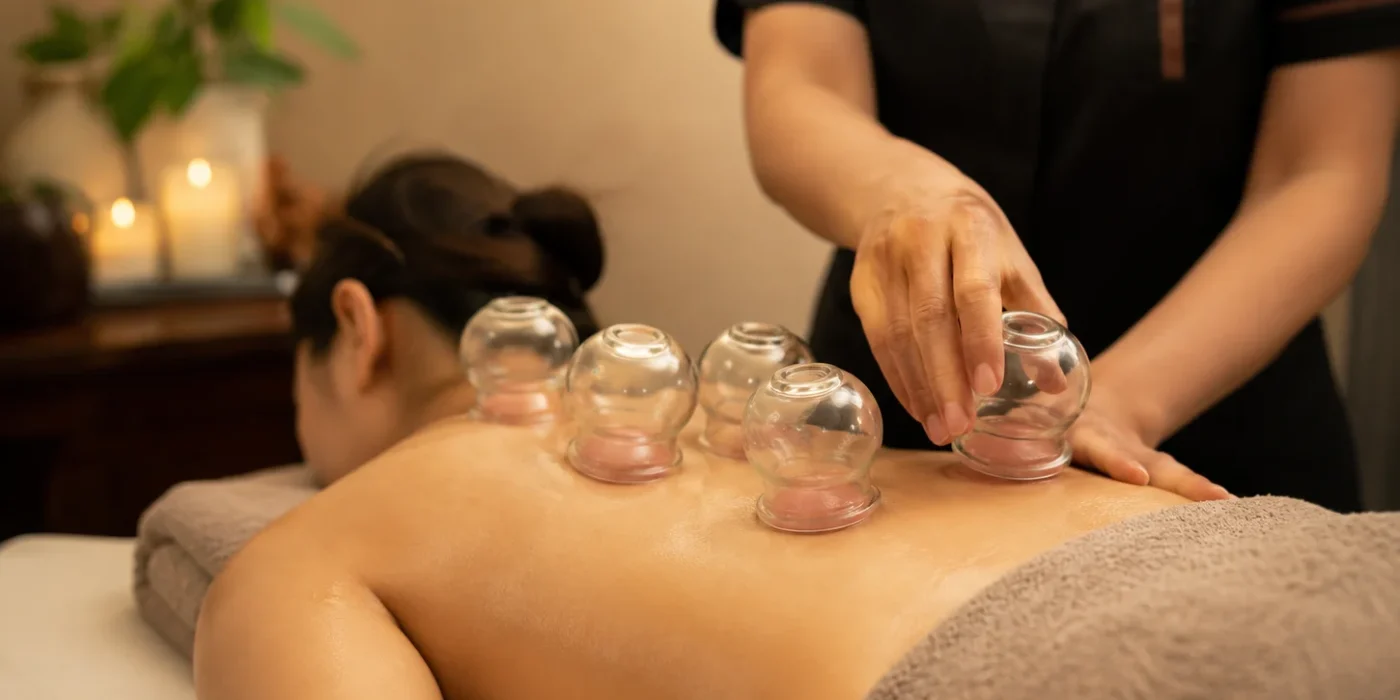
Cupping therapy is a form of traditional bodywork in which suction cups are placed on the skin to draw the surface tissue upward. This suction is believed to stimulate circulation, ease muscle tension, and support the body’s natural ability to manage discomfort. While it may look unusual to someone encountering it for the first time, cupping has a rich and well-documented history across multiple healing traditions.
The Origins of Cupping Therapy
Traditional Chinese Medicine (TCM)
Cupping has deep roots in Traditional Chinese Medicine, where it has been practised for at least 2,000 years. Within the TCM framework, the body is understood as a system of interconnected energy pathways called meridians. When the flow of Qi—the body’s vital life force—becomes stagnant or blocked, pain and disease are thought to follow. Cupping is used as a tool to stimulate these pathways, dispel stagnation, and restore balance throughout the body.
Historical Use Throughout Asia and the Middle East
While TCM is the most widely recognised context for cupping in the Western world, the practice has appeared independently across many cultures. Ancient Egyptian texts reference cupping, and it has been an integral part of Unani medicine—a traditional healing system practised across the Middle East and South Asia—for centuries. In Islamic medicine, a form of cupping known as hijama (wet cupping) has long been considered a respected therapeutic practice. Across East and Southeast Asia, cupping has remained part of everyday wellness practice, passed down through generations of traditional practitioners.
Why It Remains Popular Today
Cupping’s enduring popularity speaks to something important: it addresses needs that modern medicine doesn’t always meet. For people dealing with chronic pain, persistent stiffness, and the fatigue that comes with long-term illness, a therapy that feels tangible, immediate, and grounded in tradition holds real appeal. The visible nature of the treatment—the marks it leaves, the sensations it produces—also gives people a sense that something is actively happening in their body, which can be deeply reassuring when you’ve spent months or years feeling like little is changing.
How Cupping Therapy Works
The Principle of Suction
At its most basic level, cupping creates a vacuum against the skin. When the air inside a cup is removed—whether through heat or a mechanical pump—the skin and superficial tissue are drawn upward into the cup. This suction is sustained for anywhere from a few minutes to around twenty minutes, depending on the technique and the intention of the treatment.
Traditional Explanations Involving Qi and Energy Flow
Within TCM and related systems, cupping is understood to move stagnant Qi and blood through the meridian channels. When energy flows freely, the body is in a state of balance and health. When it stagnates—often due to cold, injury, or emotional stress—pain and dysfunction emerge. Cupping is seen as a way of clearing these blockages, much like clearing a blocked drain to restore flow.
Modern Theories Involving Circulation and Tissue Response
From a contemporary physiological perspective, researchers propose several mechanisms to explain cupping’s effects. The suction is thought to increase local blood flow to the treated area, potentially supporting the delivery of oxygen and nutrients to underlying tissues. It may also stimulate the nervous system in ways that influence pain perception, trigger a mild inflammatory response that kickstarts healing processes, and promote the release of fascial adhesions—tightness in the connective tissue that surrounds muscles and joints.
Different Types of Cupping Therapy
Understanding the different forms of cupping can help you have an informed conversation with a practitioner and choose the approach best suited to your needs.
Dry Cupping
Dry cupping is the most commonly used method and the one most people encounter first. Suction is created inside the cup—either by briefly introducing a flame to reduce the air inside (fire cupping) or by using a hand pump to mechanically create a vacuum. The cup is then placed on the skin and left in position. There is no puncturing of the skin, and the treatment is generally considered low-risk when performed by a trained practitioner.
Wet Cupping
Wet cupping adds an additional step: before or after the suction phase, small superficial incisions are made in the skin. The cup is then reapplied to draw out a small amount of blood. In Islamic medicine, this practice—hijama—is considered a form of detoxification. Wet cupping is more controversial than dry cupping and carries a higher risk of infection if hygiene standards are not rigorously maintained. It is not appropriate for everyone, particularly those on blood-thinning medications or with bleeding disorders.
Moving (Sliding) Cupping
In sliding cupping, oil is applied to the skin before the cups are placed, allowing them to be moved across the surface of the body rather than remaining fixed in one position. This technique combines elements of cupping and massage, making it particularly useful for addressing widespread muscle stiffness, tightness across the back and shoulders, and general tension in large muscle groups.
Fire Cupping vs Modern Vacuum Cupping
| Feature | Fire Cupping | Vacuum/Pump Cupping |
| How suction is created | Brief flame introduced inside cup | Hand or mechanical pump |
| Materials | Glass cups | Plastic or silicone cups |
| Adjustability | Less precise | More precisely controlled |
| Burn risk | Present if technique is poor | Minimal |
| Traditional context | Used in TCM and many historical practices | Modern clinical adaptation |
Fire cupping is considered the traditional method and remains widely used in TCM clinics. Modern vacuum cupping offers more precise suction control and removes the burn risk, making it a practical choice in clinical and allied health settings. Both methods are used for arthritis-related applications.
Understanding Arthritis and Chronic Joint Pain
What Is Arthritis?
Arthritis is not a single disease—it’s an umbrella term covering more than 100 conditions that affect the joints, the tissues surrounding them, and other connective tissues throughout the body. What these conditions share is their capacity to cause joint pain, inflammation, swelling, and reduced range of motion, often in ways that significantly affect daily life.
In Australia alone, arthritis affects millions of people and is one of the leading causes of pain and disability. For many, it’s a condition that has to be managed rather than cured—which is precisely why complementary therapies like cupping attract so much interest.
Why Arthritis Causes Pain and Inflammation
Arthritis-related pain stems from several overlapping processes: the breakdown of cartilage that normally cushions joints, inflammation of the synovial membrane that lines the joint capsule, the body’s immune responses (in autoimmune forms of arthritis), nerve sensitisation over time, and the muscular tension and compensation patterns that develop when someone favours a painful joint.
Common Types of Arthritis
Osteoarthritis
Osteoarthritis (OA) is the most common form of arthritis, often described as “wear-and-tear” joint degeneration. It occurs when the cartilage cushioning the ends of bones gradually breaks down, leading to bone-on-bone contact, inflammation, and pain. The joints most commonly affected include the knees, hips, hands, and spine. OA tends to develop gradually and is more prevalent in older adults, though it can affect younger people following joint injury.
Rheumatoid Arthritis
Rheumatoid arthritis (RA) is an autoimmune condition in which the immune system mistakenly attacks the synovial lining of the joints. This leads to chronic inflammation that can damage both joint tissue and bone over time. RA often presents symmetrically—affecting the same joints on both sides of the body—and is accompanied by systemic symptoms including fatigue, low-grade fever, and generalised stiffness, particularly in the morning. For those managing RA, natural remedies for rheumatoid arthritis are often explored as part of a broader, integrated approach.
Other Inflammatory Arthritic Conditions
- Psoriatic arthritis — an inflammatory arthritis associated with the skin condition psoriasis, affecting joints and entheses (the points where tendons and ligaments attach to bone).
- Ankylosing spondylitis — a chronic inflammatory condition primarily affecting the spine and sacroiliac joints, which can cause progressive stiffness and reduced spinal mobility.
- Gout — caused by the build-up of uric acid crystals in joints, most commonly the big toe, causing sudden and intensely painful flare-ups.
Why Many People Seek Complementary Therapies
Despite the availability of pharmaceutical treatments for arthritis, many people continue to experience persistent pain, stiffness, and reduced quality of life. Medications carry their own side effects, and long-term use of some pain relievers raises legitimate concerns. It’s completely understandable that people living with chronic joint pain look beyond the prescription pad—seeking approaches that feel more aligned with their values, that carry lower risk profiles, or that address aspects of wellbeing that medication alone cannot reach.
There’s also a growing recognition within integrative medicine that no single intervention works for everyone, and that a multi-pronged, holistic approach often produces better outcomes than any one therapy in isolation.
Can Cupping Therapy Help Arthritis?
What Supporters Claim
Those who advocate for cupping therapy in the context of arthritis point to several potential benefits, including:
- Reduced perception of joint pain
- Improved mobility and ease of movement
- Decreased morning stiffness
- Better local circulation around affected joints
- A general sense of physical relaxation and wellbeing
Many people who incorporate cupping into their arthritis management report noticeable improvements in how they feel day-to-day, even when measurable clinical changes are modest.
What Current Research Says
The scientific literature on cupping and arthritis is growing, though it remains in its early stages. A number of studies and systematic reviews have examined cupping’s potential for pain management, with some positive findings—particularly for musculoskeletal pain and knee osteoarthritis.
A 2018 systematic review published in Evidence-Based Complementary and Alternative Medicine found that cupping therapy showed potential benefits for pain relief in patients with knee osteoarthritis, with participants reporting reduced pain scores and improved function following a course of treatment. Another body of research has explored cupping for chronic neck and back pain, areas often severely affected by arthritic changes, with similarly encouraging preliminary results.
That said, the limitations of existing research are significant. Many studies are small in scale, use varying protocols, lack adequate control groups, and are at risk of placebo effects influencing outcomes. This makes it difficult to draw firm clinical conclusions. Researchers consistently call for larger, higher-quality randomised controlled trials before cupping can be recommended as a standard intervention for arthritis.
The important takeaway: cupping therapy should not be viewed as a cure for arthritis. There is no evidence it reverses joint degeneration, modifies disease progression, or replaces medical treatment. What it may offer—and what many people find genuinely valuable—is a complementary approach that supports comfort, mobility, and quality of life alongside an existing treatment plan.
Arthritis Symptoms That May Potentially Improve
Based on available evidence and traditional use, the following symptoms are most commonly associated with potential cupping benefits:
- Joint stiffness — particularly morning stiffness common in both OA and RA
- Muscle tension around arthritic joints — the tight, compensatory muscular patterns that develop around painful joints
- Chronic pain — especially in the back, hips, and knees
- Reduced range of motion — through its effects on surrounding soft tissue and circulation
How Cupping Therapy May Affect the Body
Increased Local Blood Flow
One of the most widely accepted proposed mechanisms for cupping is its effect on circulation. The suction draws blood into the capillaries beneath the skin, potentially increasing local perfusion of the treated area. For arthritic joints, which can suffer from poor local circulation—particularly in cases of advanced degeneration—this increase in blood flow may support the delivery of nutrients and the removal of inflammatory metabolites.
Pain Modulation
Cupping may influence pain perception through several pathways. The suction stimulates cutaneous (skin-level) receptors and nerve endings, which may trigger descending pain modulation pathways—essentially activating the body’s natural mechanisms for dampening pain signals. Some researchers have also proposed that cupping triggers the release of endorphins and other endogenous pain-relief compounds.
Possible Effects on Inflammation
The relationship between cupping and inflammation is nuanced and not yet fully understood. In the short term, cupping produces a localised pro-inflammatory response—the visible marks are evidence of this. Some researchers suggest this mild, controlled inflammatory response may actually be beneficial, stimulating the body’s own healing and repair processes. Longer-term anti-inflammatory effects are theorised but require more robust clinical investigation.
Relaxation and Stress Reduction
Chronic pain and chronic stress are deeply interconnected. Prolonged pain sensitises the nervous system, amplifying the perception of discomfort and making it harder to manage day-to-day. Conversely, relaxation—genuine, sustained relaxation—can lower the body’s pain response. Many people find cupping deeply relaxing, and this effect should not be underestimated. Stress reduction is a legitimate and meaningful pathway through which cupping may indirectly benefit arthritis sufferers.
What Happens During a Cupping Session?
If you’re considering cupping for the first time, knowing what to expect can make the experience much more comfortable.
Initial Assessment
A qualified practitioner will begin by taking a health history and discussing your specific symptoms, the areas of concern, and any contraindications. For arthritis patients, this might include questions about the type and stage of arthritis, current medications, and any skin conditions or sensitivities.
Placement of Cups
Cups are typically placed on large muscle groups near but not always directly over the most painful joint. For someone with knee OA, cups might be placed on the quadriceps and hamstrings rather than directly over the knee itself. For back or hip pain related to arthritis, cups are commonly applied to the lower back, gluteal muscles, and upper thighs.
Common treatment areas for arthritis sufferers:
- Lower back and lumbar region (for hip and spine arthritis)
- Quadriceps and hamstrings (for knee OA)
- Shoulder and upper back region (for cervical spine arthritis)
- Forearms and hands (for hand and wrist arthritis)
Sensations You May Experience
- Tightness — a firm pulling sensation as the skin is drawn upward
- Pulling — a deep, stretching feeling in the underlying tissue
- Mild discomfort — usually tolerable; communicate with your practitioner if it becomes painful
- Warmth — as circulation increases in the treated area
Treatment Duration
Cups are typically left in place for five to fifteen minutes, though this varies depending on the technique and the individual’s tolerance. A full session may last anywhere from thirty to sixty minutes, including assessment and aftercare.
Post-Treatment Marks
The circular marks left by cupping are among the most talked-about aspects of the therapy—and one of the most misunderstood.
Why they occur: The suction draws blood and fluid into the capillaries just beneath the skin’s surface. When capillaries are disrupted, this causes a discolouration that can range from light pink to deep purple-red.
Are they bruises? Not in the conventional sense. True bruises result from traumatic tissue damage. Cupping marks reflect the localised movement of blood under suction—the darker the mark, the greater the stagnation in that area according to TCM interpretation.
How long do they last? Marks typically fade within three to seven days, depending on the depth of suction used and individual skin response. They are generally painless to the touch, distinguishing them from injury-related bruising.
Potential Benefits of Cupping for Arthritis Sufferers
To summarise what many people with arthritis find valuable about incorporating cupping into their care:
- Non-drug pain management option — for those looking to reduce reliance on long-term pain medication
- May complement existing treatment plans — cupping is not a replacement for medical care but can work alongside it
- Can be used alongside other traditional therapies — including acupuncture, massage, and herbal medicine
- May improve quality of life for some individuals — through a combination of physical and relaxation effects
- Potential support for mobility and daily function — particularly for those whose stiffness most impacts their everyday activities
Risks, Side Effects, and Safety Considerations
Common Side Effects
For most healthy adults, cupping is well tolerated. The most frequently reported side effects include:
- Temporary bruise-like discolouration at cup sites
- Mild skin redness or warmth
- Mild soreness in treated areas for a day or two following treatment
Less Common Risks
- Skin irritation, blistering, or burns — most often associated with improper fire cupping technique
- Infection — a risk primarily with wet cupping if sterilisation and hygiene protocols are not strictly followed
Who Should Avoid Cupping Therapy?
Cupping is not appropriate for everyone. People in the following categories should discuss the therapy with their doctor before proceeding—or avoid it altogether:
| Contraindication | Reason |
| Bleeding disorders (e.g. haemophilia) | Increased risk of uncontrolled bruising |
| Blood-thinning medications (warfarin, aspirin) | Heightened bleeding and bruising risk |
| Active skin conditions (eczema, psoriasis, open wounds) | Risk of irritation, infection, worsening |
| Active infections or fever | Cupping may spread or exacerbate infection |
| Pregnancy | Certain areas and techniques are contraindicated |
| Fragile or very thin skin | Higher risk of injury |
Importance of Seeking Qualified Practitioners
Not everyone offering cupping has undergone formal training. When seeking a cupping practitioner, look for someone who:
- Holds formal qualifications in TCM, acupuncture, or a related allied health discipline
- Maintains strict hygiene and sterilisation protocols
- Uses single-use or properly sterilised equipment
- Takes a full health history before treatment
- Is registered with a relevant professional association in Australia (such as AACMA or the Chinese Medicine Board of Australia for TCM practitioners)
Cupping Therapy vs Other Complementary Arthritis Treatments
Cupping vs Acupuncture
| Feature | Cupping | Acupuncture |
| Technique | Suction applied externally | Fine needles inserted at specific points |
| TCM basis | Moves Qi and blood, disperses stagnation | Regulates Qi flow through meridians |
| Evidence base | Emerging, particularly for musculoskeletal pain | More extensively studied |
| Common uses | Muscle tension, stiffness, back pain | Pain, nausea, headaches, a wider range of conditions |
| Can be combined? | Yes—often performed in the same session |
Cupping vs Massage Therapy
Massage and cupping both work on soft tissue and circulation, but they operate differently. Massage applies pressure inward; cupping applies suction outward. Some practitioners argue that cupping achieves a more penetrating effect on deeper tissue layers than manual massage alone. The two are often used together—sliding cupping, in particular, functions as a hybrid of both.
Cupping vs Herbal Medicine
Cupping and herbal medicine address the body through entirely different pathways—one external and physical, the other internal and biochemical. They are not in competition. In traditional Asian medicine systems, combining multiple modalities is standard practice, with each approach addressing a different dimension of the patient’s condition. Cupping may ease surface tension and stimulate local circulation, while traditionally used herbs may support the body’s broader response to inflammation and joint discomfort.
Which Approaches Can Work Together?
Many arthritis sufferers find the most benefit from combining complementary therapies rather than relying on a single approach. A practical integrative approach might include:
- Cupping for localised stiffness and muscle tension
- Acupuncture for broader pain modulation and systemic balance
- Remedial massage for soft tissue work
- Traditional herbal support for ongoing joint health
- Appropriate exercise and physiotherapy
- Medical oversight for disease management and monitoring
The Role of Traditional Herbal Medicine in Arthritis Support
Why Traditional Systems Often Combine Multiple Therapies
In TCM and other Asian healing traditions, the body is not treated as a collection of isolated parts but as an interconnected whole. Pain in the joints is understood to reflect broader imbalances—in circulation, in Qi, in the relationship between organ systems. Treating arthritis, from this perspective, means addressing those underlying imbalances rather than only managing surface symptoms.
This is why traditional practitioners rarely recommend a single therapy in isolation. Cupping might open the channels; herbal medicine nourishes and sustains the underlying system; dietary adjustments and movement practices reinforce the work done on the table.
Herbal Support for Joint Health
Traditional Asian herbal medicine has developed a rich pharmacopoeia of plants used to support joint comfort, ease discomfort, and maintain mobility. These plants are typically used in combination, with each herb contributing a different quality to the overall formula.
At Authentic Arthritis Asian Herbs, we draw on this tradition—formulating with herbs that have been used for centuries to support joint health and that are framed within Australian regulatory requirements as traditional-use preparations.
Please note: All herbal products from Authentic Arthritis Asian Herbs are presented as traditionally used preparations in Asian herbal medicine. They are not intended to diagnose, treat, cure, or prevent any disease. Always consult your healthcare professional before commencing herbal supplementation, especially if you are taking medications or managing a diagnosed condition.
Key Herbs Traditionally Used for Joint Comfort and Mobility
Salacia chinensis
Salacia chinensis has a long history of use in Ayurvedic and Asian herbal traditions, where it has been traditionally used to support joint comfort and manage inflammation. It is often described as a gentle but sustained herb, well-suited for long-term use in supporting joint health.
Anamirta cocculus
Anamirta cocculus is a traditional herb with a history of use for nerve-related discomfort and deep joint pain. In Asian herbal practice, it has been used to address the type of penetrating, persistent discomfort that can accompany chronic arthritis.
Cryptolepis dubia
Cryptolepis dubia is traditionally used in Asian herbal medicine to support the body’s natural response to inflammation and maintain immune balance—two areas of significant relevance for those managing inflammatory arthritic conditions.
Strychnos
Strychnos species have been used across Asian and Ayurvedic traditions as potent herbs for joint and musculoskeletal support. In traditional contexts, they are used in carefully formulated combinations for their role in supporting joint function and comfort.
Dems scanden
Dems scanden is particularly interesting for its dual role in traditional Asian herbal practice—supporting both joint comfort and mental clarity. For those who experience the cognitive fatigue that often accompanies chronic pain, this combination is especially valued.
Dracaena conferta
Dracaena conferta is considered something of a hidden gem in traditional herbal practice. It has been traditionally used to support joint comfort, and its inclusion in multi-herb formulations is associated with a balancing effect on the overall preparation.
Eucommia Bark
Eucommia bark is one of the most celebrated herbs in Traditional Chinese Medicine for joint and structural support. It has been traditionally used to support the health of bones, tendons, and ligaments, making it a foundational ingredient in formulations aimed at maintaining joint integrity and mobility.
Why a Comprehensive Approach May Be More Effective Than a Single Therapy
The convergence of evidence, traditional wisdom, and lived patient experience all point in the same direction: no single intervention is sufficient for managing a complex, multi-dimensional condition like arthritis. Cupping can play a meaningful role in a broader plan—but it works best when it’s one thread in a richer fabric of care. Adding traditionally used herbal support, appropriate movement, stress management, and medical oversight creates a framework that addresses chronic joint pain from multiple angles simultaneously.
This is the philosophy behind how traditional Asian remedies are changing the way we manage arthritis—by moving away from the idea of a magic bullet and towards a model of sustained, whole-person support.
Frequently Asked Questions About Cupping and Arthritis
Is Cupping Therapy Appropriate for Arthritis?
For most people with arthritis, cupping is considered a low-risk complementary therapy when performed by a qualified practitioner. However, it is not appropriate for everyone (see the contraindications above), and you should always inform your practitioner of all medications and health conditions before beginning treatment. Consult your doctor if you have any concerns.
Can Cupping Cure Arthritis?
No. Cupping does not cure arthritis. There is no current evidence that cupping reverses joint degeneration, stops disease progression, or constitutes a medical treatment for any form of arthritis. What it may offer is support for comfort, mobility, and quality of life as part of a complementary care plan.
How Often Should You Have Cupping Treatments?
This depends on the individual, the severity of symptoms, and the practitioner’s assessment. Many practitioners recommend an initial course of weekly sessions—perhaps four to six—followed by ongoing maintenance sessions as needed. Results vary, and it’s important to reassess regularly with your practitioner.
Does Cupping Help Rheumatoid Arthritis?
Some people with RA find cupping useful for managing localised stiffness and muscle tension, and as a relaxation therapy that helps with the broader experience of living with chronic pain. However, RA is an autoimmune condition requiring medical management, and cupping should never be positioned as a substitute for prescribed treatment. Discuss with your rheumatologist before adding complementary therapies to your plan.
Can Cupping Be Combined With Medications?
In most cases, dry cupping can be practised alongside standard arthritis medications without direct interaction—the therapy is external and does not introduce any substances into the body. However, blood-thinning medications significantly increase the risk of bruising and should be discussed with both your prescribing doctor and your cupping practitioner. Wet cupping is generally not recommended for those on anticoagulants.
Are the Marks Left by Cupping Dangerous?
In the vast majority of cases, cupping marks are harmless and temporary, fading within three to seven days. They are not the same as traumatic bruising and are not associated with underlying tissue damage in healthy individuals. If marks are extremely dark, slow to fade, or painful to touch, discuss this with your practitioner.
When to Speak With a Healthcare Professional
Complementary therapies like cupping are most effective—and most appropriate—when they are part of an integrated approach that includes appropriate medical care. Speak with your doctor or specialist if you experience:
- Persistent or worsening joint pain that is not responding to your current management plan
- New arthritis symptoms, including swelling, warmth in a joint, increased fatigue, or changes in your range of motion
- Concerns about combining therapies, especially if you are taking immunosuppressants, biologics, or anticoagulants
- Any reaction to cupping that concerns you, including prolonged skin changes, infection signs, or unexpected pain
An integrated treatment approach—one that combines medical management with qualified complementary therapies and, where appropriate, traditional herbal support—gives you the broadest foundation for managing chronic joint pain over the long term.
Supporting Your Joints Naturally: How Authentic Arthritis Asian Herbs Can Help
Living with arthritis means playing a long game. It means building a toolkit of approaches that work together, staying curious about what your body responds to, and making choices that support your wellbeing over the long term rather than just getting through the day.
Cupping therapy is a valuable tool in that kit—especially for easing stiffness, improving local circulation, and giving your body a chance to relax deeply. Paired with the right traditional herbal support, it becomes part of something more powerful: a genuinely holistic approach to joint health.
At Authentic Arthritis Asian Herbs, we’re passionate about making that kind of support accessible. Our Authentic Arthritis Asian Herbs formula brings together eight traditionally used Asian herbs—Salacia chinensis, Anamirta cocculus, Cryptolepis dubia, Strychnos, Dems scanden, Dracaena conferta, Eucommia bark, and more—in a formulation rooted in centuries of traditional practice.
Whether you’re exploring cupping for the first time, deepening your existing wellness practice, or looking for traditionally grounded herbal support to complement your arthritis management, we’d love to be part of your journey.
Always read the label and follow the directions for use. If symptoms persist, worsen, or change unexpectedly, consult your healthcare professional. This product is not intended to diagnose, treat, cure, or prevent any disease. This information is intended for educational purposes only and does not constitute medical advice.

1 reply on “Cupping Therapy and Arthritis: What You Need to Know”
[…] never stood alone. Cupping and acupuncture both work on the body from the outside in their own ways, and both come from the […]