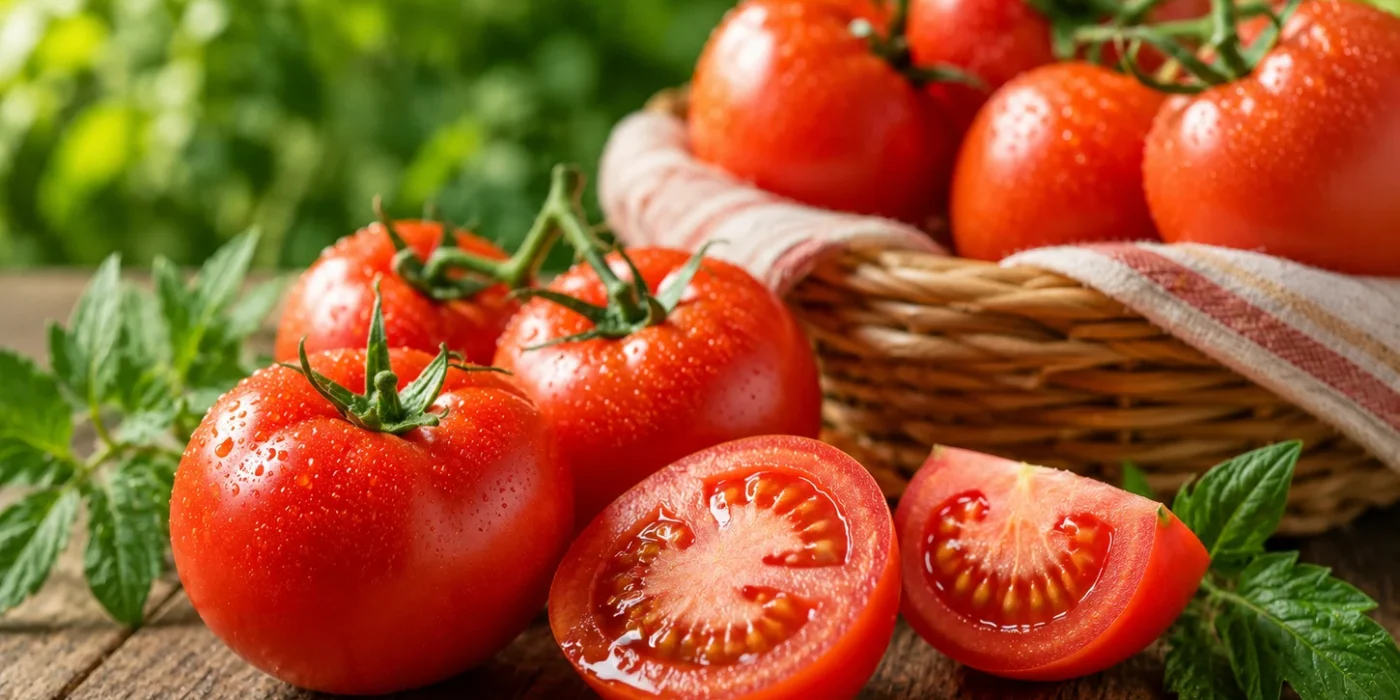
If you’ve been living with joint discomfort, you’ve probably heard someone suggest you should avoid tomatoes. Perhaps a well-meaning friend shared an article, or you came across claims on social media warning that tomatoes could worsen joint symptoms. But is there any truth to this widespread belief?
The relationship between tomatoes and joint health has been debated in health communities for decades, often creating unnecessary confusion and dietary restrictions for people managing joint conditions. While some individuals report experiencing discomfort after eating tomatoes, scientific research tells a more nuanced story. Understanding the facts behind this common concern can help you make informed decisions about your diet without eliminating foods that might actually benefit your health.
In this comprehensive guide, we’ll explore the origins of the tomato theory, examine what current research reveals, discuss who might genuinely be sensitive to tomatoes, and look at the potential benefits these nutrient-rich vegetables may offer for overall health and wellbeing.
Why Are Tomatoes Associated With Joint Health Concerns?
Understanding The Nightshade Family
Tomatoes belong to a plant family called Solanaceae, commonly known as nightshades. This botanical classification has become somewhat controversial in health communities, with many people wondering whether these vegetables pose risks to joint health.
What nightshade vegetables are:
Nightshade plants are a diverse family containing thousands of species, though only a small number are commonly consumed as food. These plants naturally produce certain compounds as a defence mechanism against pests and predators in the wild.
Common nightshade foods include:
- Tomatoes (including all varieties, from cherry tomatoes to heirloom beefsteak tomatoes)
- Potatoes (excluding sweet potatoes, which belong to a different plant family)
- Eggplants (also called aubergines)
- Capsicums and peppers (including bell peppers, chilli peppers, paprika, and cayenne)
Why nightshades have attracted attention:
Over the years, anecdotal reports from people experiencing joint discomfort have suggested that eliminating nightshade vegetables from their diet reduced symptoms. These personal experiences, shared widely through support groups and online communities, have contributed to the persistent belief that nightshades—particularly tomatoes—may trigger joint discomfort.
The Origins Of The Tomato Theory
The suspicion surrounding tomatoes isn’t entirely new. In fact, concerns about nightshade vegetables date back centuries.
Historical concerns about nightshade vegetables:
When tomatoes were first introduced to Europe from the Americas in the 16th century, they were initially treated with suspicion and even fear. Some people believed tomatoes were poisonous, likely because they resembled other toxic nightshade plants like deadly nightshade (Atropa belladonna). This historical wariness may have planted the seeds for modern dietary concerns.
Early anecdotal reports linking tomatoes to joint discomfort:
In the mid-20th century, some researchers and health advocates began suggesting connections between nightshade consumption and various health conditions, including joint discomfort. One notable figure was Dr. Norman Childers, a horticulturist who claimed that eliminating nightshades relieved his own joint symptoms and subsequently promoted this dietary approach to others.
How the theory spread through health communities and popular media:
As interest in natural health approaches grew throughout the late 20th and early 21st centuries, the nightshade connection gained traction. Books, magazine articles, online forums, and social media posts have perpetuated the idea, often presenting it as established fact rather than unproven theory. This widespread repetition has made the belief feel more credible than the scientific evidence actually supports.
Solanine, Alkaloids, And Common Misconceptions
Much of the concern about tomatoes centres on compounds called alkaloids, particularly one named solanine.
What plant alkaloids are:
Alkaloids are naturally occurring chemical compounds found in many plants. They typically contain nitrogen and often have physiological effects on humans and animals. While some alkaloids are beneficial (such as caffeine in coffee), others can be toxic in large amounts.
The role of solanine in certain nightshade plants:
Solanine is a glycoalkaloid found primarily in potatoes, particularly in green or sprouted potatoes and in the leaves and stems of potato plants. Tomatoes contain a different alkaloid called tomatine, though in very small amounts, particularly in ripe fruit. The leaves and stems of tomato plants contain higher levels, but these parts aren’t typically consumed.
Why alkaloids are often blamed for inflammation:
The theory suggests that alkaloids like solanine might interfere with enzymes in muscles or trigger inflammatory responses in susceptible individuals. Proponents of nightshade avoidance often claim these compounds can worsen joint symptoms by promoting inflammation.
Distinguishing scientific evidence from speculation:
Here’s where facts and fear diverge. While extremely high doses of solanine can indeed cause toxicity (leading to digestive upset, neurological symptoms, and other issues), the amounts found in properly stored, ripe tomatoes are far too low to cause harm in the vast majority of people. According to Healthdirect Australia, a government-funded health information service, there is no strong scientific evidence that the alkaloids in tomatoes cause issues in most individuals.
The alkaloid content in ripe tomatoes is minimal, and there’s no substantial research demonstrating that these low levels trigger inflammation or discomfort in people. Most of the concerns stem from theoretical speculation rather than rigorous clinical studies.
What Does The Research Say About Tomatoes And Joint Health?
Current Scientific Understanding
When it comes to nutrition and joint health, scientific research often lags behind popular health trends. The tomato connection is no exception.
Overview of available studies:
Surprisingly few high-quality studies have specifically investigated whether tomatoes worsen joint symptoms. Most research examining diet and joint health has looked at broader dietary patterns rather than individual foods like tomatoes.
Lack of strong evidence directly linking tomatoes to joint symptoms:
Reviews of the available scientific literature consistently find no compelling evidence that tomatoes cause or exacerbate joint discomfort in the general population. While individual case reports and anecdotal experiences exist, these don’t constitute the kind of rigorous, controlled evidence needed to make broad dietary recommendations.
Challenges in studying nutrition and chronic conditions:
Researching the impact of specific foods is inherently complex. Symptoms naturally fluctuate over time, making it difficult to attribute changes to any single dietary factor. Additionally, people rarely eat foods in isolation—we consume meals with multiple ingredients, making it challenging to pinpoint the effects of one component. Placebo effects, expectation bias, and other confounding variables further complicate nutrition research.
Tomatoes And Rheumatoid Arthritis
Brief overview of rheumatoid arthritis:
Rheumatoid arthritis (RA) is an autoimmune condition where the immune system mistakenly attacks the lining of joints, causing inflammation and progressive joint damage. Unlike osteoarthritis, which primarily results from wear and tear, RA involves complex immune system dysfunction.
Research examining diet and inflammatory conditions:
While diet can play a role in managing inflammation, no studies have definitively shown that tomatoes trigger or worsen rheumatoid arthritis symptoms. Research into diet and RA has primarily focused on overall dietary patterns—such as Mediterranean-style eating—rather than vilifying specific vegetables.
Whether tomatoes have been shown to worsen symptoms:
Current evidence does not support the claim that tomatoes worsen rheumatoid arthritis symptoms in most people. Some research even suggests that the antioxidants and compounds in tomatoes might offer protective benefits for overall health.
Importance of overall dietary patterns:
Rather than fixating on individual foods, research increasingly emphasises the importance of overall dietary quality. Anti-inflammatory diets rich in fruits, vegetables, whole grains, and healthy fats appear more beneficial than simply eliminating specific foods like tomatoes.
Tomatoes And Osteoarthritis
Overview of osteoarthritis:
Osteoarthritis (OA) is the most common form of joint condition, affecting millions of Australians. It develops when the protective cartilage cushioning the ends of bones gradually wears down, leading to discomfort, stiffness, and reduced mobility. While often described as a “wear and tear” condition, OA actually involves inflammatory processes that contribute to cartilage breakdown and joint changes.
Factors that contribute to OA symptoms and progression:
Multiple factors influence osteoarthritis development and progression, including age, genetics, previous joint injuries, excess body weight, and metabolic health. Inflammation plays a significant role in OA, though it differs from the systemic inflammation seen in rheumatoid arthritis.
Why tomatoes are not recognised as a major risk factor:
Major health organisations, including Arthritis Australia, do not list tomatoes as a recognised risk factor or trigger for osteoarthritis. The development and progression of OA relate much more strongly to factors like excess body weight, joint injuries, and genetic predisposition than to tomato consumption.
Why Personal Experiences May Differ
Despite the lack of broad scientific evidence, some people genuinely feel different after eating tomatoes. This disconnect between research and personal experience deserves acknowledgment.
Individual food sensitivities:
Food sensitivities are highly individual. What affects one person may have no impact on another, and these reactions don’t always follow predictable patterns or show up in population-level studies.
Differences in immune responses:
Each person’s immune system and inflammatory responses are unique, influenced by genetics, gut health, overall diet, stress levels, and numerous other factors. It’s entirely possible that a small subset of people may genuinely react to compounds in tomatoes, even if this isn’t common enough to show up in research studies.
The importance of identifying personal triggers rather than relying solely on general assumptions:
Rather than automatically eliminating tomatoes based on general claims, it’s more useful to pay attention to your own body’s responses. If you consistently notice changes after eating tomatoes, that’s valuable information worth exploring—regardless of what general research says.
Could Tomatoes Trigger Symptoms In Some People?
Food Sensitivity Versus Food Allergy
Understanding the difference between food allergies and food sensitivities helps clarify why some people might react to tomatoes while others don’t.
Understanding the difference:
A true food allergy involves an immune system reaction (typically producing IgE antibodies) that can cause rapid, sometimes severe symptoms like hives, swelling, breathing difficulties, or anaphylaxis. Food sensitivities (sometimes called intolerances) are generally less severe and more delayed, potentially involving different immune pathways or non-immune mechanisms.
How sensitivities may affect some individuals:
Food sensitivities can cause a range of symptoms, from digestive upset to headaches, fatigue, or in some cases, increased inflammation. These reactions are typically subtler and slower to develop than allergic reactions, making them harder to identify.
Why symptoms can vary considerably:
The intensity and type of symptoms can depend on the amount consumed, what else is eaten at the same time, stress levels, gut health, and numerous other variables. This variability makes food sensitivities notoriously difficult to pin down.
Signs Tomatoes May Not Agree With You
If you suspect tomatoes might be affecting you, watch for these potential indicators:
Increased joint discomfort after consumption:
If you notice your joints feel more uncomfortable, swollen, or stiff within hours or up to a day after eating tomatoes, this could suggest a sensitivity. The timing and consistency of this pattern are important—does it happen every time, or only occasionally?
Digestive symptoms:
Bloating, gas, stomach cramps, diarrhoea, or acid reflux following tomato consumption might indicate digestive sensitivity. While these aren’t directly joint-related, gut inflammation can potentially contribute to systemic inflammation.
Skin irritation:
Some people report skin rashes, itching, or other dermatological reactions after eating tomatoes. Skin symptoms can sometimes accompany other inflammatory responses.
Fatigue or general inflammation-related symptoms:
Feeling unusually tired, experiencing brain fog, or noticing a general increase in inflammatory symptoms after eating tomatoes might suggest your body isn’t handling them well.
The Role Of Elimination Diets
If you’re genuinely concerned about tomatoes affecting you, a structured elimination approach offers the most reliable way to investigate.
What an elimination diet involves:
An elimination diet systematically removes suspected trigger foods for a specific period (typically 2-4 weeks), then reintroduces them one at a time while carefully monitoring symptoms. This approach helps identify genuine food sensitivities rather than relying on guesswork.
Temporary removal and reintroduction of foods:
For tomatoes specifically, you would eliminate all tomato-containing foods (including fresh tomatoes, tomato sauce, ketchup, pasta sauces, pizza sauce, and processed foods containing tomato products) for the elimination phase. After this period, you’d reintroduce tomatoes in their simplest form (such as fresh cherry tomatoes) and observe any changes in symptoms over several days.
Benefits of tracking symptoms systematically:
Keeping a detailed food and symptom journal during elimination and reintroduction helps you identify patterns objectively. Write down what you eat, when you eat it, and any symptoms that arise (including their severity and timing). This creates a clear record that’s more reliable than memory alone.
When To Seek Professional Advice
While self-guided elimination can be informative, certain situations warrant professional support.
Persistent discomfort:
If you’re experiencing frequent or severe episodes that significantly impact your quality of life, consult your GP or rheumatologist. Symptoms can be influenced by many factors beyond diet, and proper medical management is essential.
Multiple suspected food triggers:
If you suspect numerous foods are causing problems, working with an accredited practising dietitian can help you navigate elimination without compromising nutritional adequacy. Unnecessarily restrictive diets can lead to nutrient deficiencies and reduced quality of life.
Working with healthcare practitioners or nutrition professionals:
Healthcare professionals can help distinguish between disease activity, food sensitivities, and other health issues. They can also ensure any dietary changes you make are balanced and appropriate for your individual health needs.
Are Tomatoes Actually Beneficial For Overall Health?
While much attention focuses on potential concerns, tomatoes actually offer numerous nutritional benefits that support overall health and wellbeing.
Nutritional Profile Of Tomatoes
Rich source of vitamins and antioxidants:
Tomatoes are nutritional powerhouses, providing substantial amounts of vitamins C, K, and A (in the form of beta-carotene), along with folate and various antioxidants. They’re also a good source of fibre.
Vitamin C and immune support:
Vitamin C plays crucial roles in immune function, collagen synthesis, and antioxidant protection. According to the National Health and Medical Research Council (NHMRC), adequate vitamin C intake is important for overall health, including supporting connective tissue maintenance.
Potassium and overall health benefits:
Tomatoes provide potassium, an essential mineral that supports heart health, blood pressure regulation, and proper muscle and nerve function—all important considerations for overall wellbeing.
Low-calorie nutrient-dense food:
For people managing their weight, tomatoes offer substantial nutrition with very few calories, making them an excellent addition to weight-management efforts. Maintaining a healthy weight is important for reducing stress on weight-bearing joints.
Lycopene And Its Antioxidant Potential
What lycopene is:
Lycopene is a powerful antioxidant carotenoid that gives tomatoes their characteristic red colour. It’s one of the most studied beneficial compounds in tomatoes.
Antioxidant properties:
Lycopene acts as a potent antioxidant, helping neutralise harmful free radicals in the body. This antioxidant activity may help protect cells from oxidative damage, which plays a role in inflammation and various health concerns.
Research into oxidative stress and inflammation:
Scientific studies have explored lycopene’s potential effects on reducing oxidative stress. Some research suggests that lycopene may help support the body’s natural inflammatory responses, though more human studies are needed.
Potential benefits for long-term health:
Beyond joint health, lycopene consumption has been associated with various health benefits, including cardiovascular support and reduced oxidative stress. These broader health effects can indirectly support better overall wellbeing.
Supporting Overall Health Through Nutrition
Importance of nutrient-rich foods:
Rather than focusing narrowly on avoiding specific foods, research increasingly supports the benefits of including a wide variety of nutrient-dense foods in your diet. Tomatoes contribute valuable nutrients that support numerous body systems.
The role of antioxidants in healthy ageing:
Antioxidants from foods like tomatoes help combat oxidative stress, which contributes to tissue damage and inflammation as we age. Supporting your body’s antioxidant defences through diet may help maintain better overall health over time.
How tomatoes fit into a balanced diet:
Tomatoes are a staple component of the Mediterranean diet, an eating pattern consistently associated with reduced inflammation and better health outcomes. Rather than eliminating tomatoes, most nutrition experts recommend including them as part of a varied, plant-rich diet.
Fresh Tomatoes Versus Processed Tomato Products
Not all tomato-containing foods are created equal from a nutritional standpoint.
Tomato sauces, ketchup, and packaged pasta sauces:
Many commercially prepared tomato products contain added sugars, excessive sodium, and preservatives that may contribute to inflammation and other health concerns. These additives, rather than the tomatoes themselves, may be the real culprits if you notice symptoms after consuming processed tomato products.
Added sugars, sodium, and preservatives:
High sugar intake is linked to increased inflammation and various health problems. Excessive sodium can contribute to fluid retention and may worsen certain health conditions. Always read labels carefully when buying processed tomato products.
Why processing can influence nutritional quality:
Interestingly, cooking and processing tomatoes can actually increase the bioavailability of lycopene, making it easier for your body to absorb. However, the benefits of increased lycopene may be offset if products are loaded with sugar, salt, and additives. Choosing minimally processed options or making your own tomato sauces from fresh tomatoes offers the best nutritional profile.
Other Foods Commonly Believed To Affect Joint Health
Tomatoes aren’t the only food blamed for worsening joint discomfort. Understanding which dietary factors genuinely deserve attention can help you prioritise your efforts.
Refined Sugar And Highly Processed Foods
Potential links to inflammation:
Unlike the speculative connection with tomatoes, research more consistently suggests that high sugar consumption and heavily processed foods may contribute to inflammation. Refined sugars and processed carbohydrates can trigger inflammatory pathways in the body.
Excess sugar consumption and chronic health concerns:
High sugar intake is associated with excess weight, metabolic dysfunction, and increased inflammatory markers—all of which can indirectly affect overall health. Reducing added sugars is a dietary change backed by stronger evidence than eliminating tomatoes.
Excessive Consumption Of Processed Meats
Saturated fats and inflammatory markers:
Research suggests that diets high in saturated fats, particularly from processed meats like bacon, sausages, and deli meats, may increase inflammatory markers in the body. These foods also tend to be high in sodium and preservatives.
Importance of moderation:
While you don’t necessarily need to eliminate processed meats entirely, moderating your intake and choosing leaner protein sources more often may benefit overall inflammation levels.
Alcohol And Symptoms
Potential effects on inflammation:
Excessive alcohol consumption can contribute to inflammation and may worsen symptoms in some individuals. Alcohol can also interfere with sleep quality, which affects how the body manages discomfort and inflammation.
Considerations for people taking medications:
Many medications interact with alcohol, potentially causing complications or reducing medication effectiveness. Always discuss alcohol consumption with your healthcare provider if you’re taking any regular medications.
Dairy Products
Why dairy is sometimes questioned:
Some people believe dairy products worsen joint symptoms, though scientific evidence supporting this claim is limited. Dairy doesn’t appear to cause issues for most people.
Individual tolerance differences:
That said, some individuals may have lactose intolerance or dairy sensitivity that causes digestive symptoms or other reactions. If you suspect dairy affects you personally, an elimination trial can help determine whether it’s a genuine trigger.
Gluten-Containing Foods
Gluten sensitivity and autoimmune conditions:
For people with coeliac disease or non-coeliac gluten sensitivity, consuming gluten can trigger inflammatory responses. Some research suggests possible connections between gluten and certain autoimmune conditions.
Who may benefit from further investigation:
Most people don’t need to avoid gluten. However, if you have diagnosed coeliac disease, or if you experience digestive symptoms and suspect gluten sensitivity, discussing gluten elimination with a healthcare professional may be worthwhile.
Foods That May Help Support Overall Health And Wellbeing
Rather than focusing solely on restriction, consider adding more nutrient-rich foods to your diet.
Colourful Fruits And Vegetables
Antioxidant-rich food choices:
Brightly coloured fruits and vegetables provide diverse antioxidants, vitamins, and phytonutrients that support overall health. Berries, leafy greens, capsicums, carrots, and yes—tomatoes—all contribute valuable compounds.
Variety and nutritional diversity:
Eating a rainbow of plant foods ensures you’re getting a wide spectrum of beneficial nutrients. Different colours often indicate different phytonutrients, each offering unique health benefits.
Omega-3 Rich Fish
Salmon, sardines, and mackerel:
Fatty fish are among the best dietary sources of omega-3 fatty acids, which have well-documented anti-inflammatory properties. Unlike the tomato connection, the benefits of omega-3s for supporting healthy inflammatory responses are strongly supported by research.
Potential benefits for inflammatory pathways:
Omega-3 fatty acids, particularly EPA and DHA found in fish, can help modulate inflammatory pathways in the body. Regular consumption of fatty fish may help support overall joint health and comfort.
Whole Grains And Fibre-Rich Foods
Gut health and inflammation:
Dietary fibre supports healthy gut bacteria, and emerging research suggests gut health influences inflammatory processes throughout the body. Whole grains, legumes, vegetables, and fruits provide beneficial fibre.
Benefits of minimally processed foods:
Choosing whole grains over refined grains helps stabilise blood sugar, provides more nutrients, and may help support healthy inflammatory responses. Options like brown rice, quinoa, oats, and wholegrain bread offer more nutritional value than their refined counterparts.
Healthy Fats
Olive oil, avocados, nuts and seeds:
Healthy fats from plant sources provide compounds that support overall health and wellbeing. Extra virgin olive oil, rich in polyphenols, is a cornerstone of the Mediterranean diet.
Benefits for overall health:
These healthy fat sources support heart health, brain function, and nutrient absorption (many vitamins are fat-soluble). Including moderate amounts of healthy fats in your diet benefits overall wellbeing.
Hydration And Overall Function
Importance of adequate fluid intake:
Staying well-hydrated supports numerous body functions and overall physiological processes. Cartilage in joints contains significant water content, making adequate hydration important.
Supporting overall wellbeing:
Proper hydration affects energy levels, cognitive function, digestion, and numerous other processes. Aim for adequate fluid intake throughout the day, primarily from water.
How To Determine Whether Tomatoes Affect You Personally
If you’re still concerned about tomatoes after reading the evidence, here’s how to investigate systematically.
Keep A Detailed Food And Symptom Journal
Recording meals and symptom patterns:
For at least two weeks, write down everything you eat and drink, along with any symptoms you experience (discomfort levels, stiffness, swelling, fatigue). Note the timing—when you ate and when symptoms appeared or changed.
Identifying consistent triggers:
Look for patterns. Do symptoms consistently appear after eating tomatoes, or is the relationship inconsistent? Are there other foods that seem more reliably associated with symptom changes? This objective record helps separate genuine patterns from coincidence.
Conduct A Structured Elimination Trial
Removing tomatoes temporarily:
Eliminate all tomato-containing foods for 2-4 weeks. This means avoiding fresh tomatoes, tomato sauces, ketchup, salsa, pizza sauce, pasta sauces, and any processed foods containing tomato ingredients. Read labels carefully—tomatoes appear in many prepared foods.
Reintroducing them methodically:
After the elimination period, reintroduce tomatoes in their simplest form (such as fresh cherry tomatoes or plain tomato slices) and monitor your symptoms closely for 3-5 days. If no reaction occurs, you can gradually reintroduce other tomato-containing foods.
Assessing symptom changes objectively:
Be honest and objective in your assessment. Did your symptoms genuinely improve during elimination? Did they clearly worsen upon reintroduction? Or were changes minimal or inconsistent? This helps distinguish real sensitivities from placebo effects or normal symptom fluctuations.
Evaluate The Entire Diet Rather Than One Food
Looking at overall dietary quality:
Often, focusing on overall dietary patterns yields more benefit than fixating on single foods. Consider your entire diet—are you eating enough vegetables, fruits, whole grains, and healthy fats? Are you consuming too much sugar, processed foods, or unhealthy fats?
Identifying broader inflammatory dietary patterns:
Diets high in processed foods, sugar, refined grains, and unhealthy fats are more likely to promote inflammation than any single vegetable. Improving your overall diet quality often has more impact than eliminating tomatoes.
Focus On Sustainable Long-Term Habits
Avoiding unnecessary dietary restrictions:
Unnecessarily eliminating nutritious foods can reduce dietary variety, make meal planning more difficult, and potentially lead to nutrient deficiencies. Only restrict foods if you have clear evidence they genuinely affect your symptoms.
Maintaining nutritional balance:
Any dietary changes should be sustainable and nutritionally adequate. Extreme restrictions that compromise nutrition or quality of life aren’t appropriate for most people.
Common Myths About Tomatoes And Joint Health
Let’s address some widespread misconceptions that contribute to confusion.
Myth #1: All Nightshade Vegetables Cause Inflammation
The reality: There’s no credible scientific evidence that nightshade vegetables cause inflammation in most people. While individuals may have personal sensitivities, nightshades as a group aren’t inherently inflammatory foods. Many nightshade vegetables, including tomatoes and capsicums, actually contain compounds that support health.
Myth #2: Tomatoes Directly Cause Joint Conditions
The reality: Tomatoes do not cause joint conditions. These conditions develop due to complex factors including genetics, age, joint injuries, autoimmune dysfunction, and metabolic factors. No evidence suggests that eating tomatoes causes joint conditions to develop in people who didn’t previously have them.
Myth #3: Everyone Should Avoid Tomatoes
The reality: Most people can eat tomatoes without experiencing any worsening of symptoms. In fact, tomatoes provide valuable nutrients and antioxidants that may support overall health. Blanket dietary restrictions aren’t appropriate for everyone.
Myth #4: Eliminating Tomatoes Will Eliminate All Symptoms
The reality: Even if you’re among the minority who are sensitive to tomatoes, eliminating them won’t cure conditions or eliminate all symptoms. Managing joint health requires comprehensive approaches including appropriate medical care, physical activity, weight management, and potentially dietary adjustments. No single dietary change is a cure.
Myth #5: Anecdotal Experiences Apply To Everyone
The reality: Just because someone in an online forum or your friend claims that avoiding tomatoes helped them doesn’t mean the same will be true for you. Individual experiences don’t constitute scientific evidence, and what works for one person may not work for another. Personal experiences are valid for that individual but shouldn’t be generalised to everyone.
Frequently Asked Questions About Tomatoes And Joint Health
Are tomatoes inflammatory for people with joint conditions?
For most people, tomatoes are not inflammatory. In fact, tomatoes contain compounds like lycopene that may actually help support the body’s natural inflammatory responses. While individual sensitivities exist, the majority of people can include tomatoes in their diet without experiencing increased inflammation or worsened symptoms.
Can tomatoes trigger symptom flare-ups?
Scientific evidence doesn’t support the claim that tomatoes trigger flare-ups in most people. However, a small number of individuals may have personal sensitivities to tomatoes that could potentially contribute to symptom changes. If you suspect tomatoes affect you personally, a structured elimination and reintroduction trial can help determine whether they’re a genuine trigger for you.
Should people with rheumatoid arthritis avoid tomatoes?
No, people with rheumatoid arthritis don’t need to avoid tomatoes unless they’ve identified a personal sensitivity through careful observation or elimination trials. Current research doesn’t support the idea that tomatoes worsen rheumatoid arthritis symptoms. The compounds in tomatoes may actually offer benefits as part of a balanced diet.
Are cooked tomatoes better than raw tomatoes?
Both cooked and raw tomatoes offer nutritional benefits. Interestingly, cooking tomatoes actually increases the bioavailability of lycopene, making this beneficial antioxidant easier for your body to absorb. However, raw tomatoes provide more vitamin C, which degrades with heat. Including both cooked and raw tomatoes in your diet provides a good balance of nutrients.
What foods are most commonly linked to inflammation?
Foods more consistently associated with increased inflammation than tomatoes include high-sugar foods, refined carbohydrates, processed meats, excessive alcohol, and foods high in saturated fats. These dietary factors have stronger scientific evidence linking them to inflammation compared to tomatoes or other nightshade vegetables.
How can I tell if tomatoes affect me personally?
The most reliable way is to keep a detailed food and symptom journal for several weeks, tracking everything you eat and any symptoms you experience. If you notice a consistent pattern after eating tomatoes, conduct a structured elimination trial: remove all tomato-containing foods for 2-4 weeks, then reintroduce them while carefully monitoring symptoms. This systematic approach helps distinguish genuine sensitivities from coincidence.
Are all nightshade vegetables problematic?
No, nightshade vegetables are not inherently problematic. The nightshade family includes nutritious foods like tomatoes, capsicums, eggplants, and potatoes that provide valuable vitamins, minerals, and antioxidants. While anecdotal reports suggest some individuals may be sensitive to nightshades, scientific research doesn’t support blanket recommendations to avoid these vegetables.
What foods may help support overall health naturally?
Foods with strong evidence for supporting healthy inflammatory responses include fatty fish rich in omega-3s (salmon, sardines, mackerel), colourful fruits and vegetables, extra virgin olive oil, nuts and seeds, whole grains, green tea, and herbs and spices like turmeric and ginger. A dietary pattern rich in these foods—such as the Mediterranean diet—supports overall health and wellbeing.
Looking Beyond Diet: A Holistic Approach To Joint Health
Diet Is Only One Part Of Wellbeing
While what you eat matters, it’s important to remember that nutrition is just one aspect of managing joint health. A comprehensive approach includes:
- Healthy eating habits: A balanced diet rich in whole foods
- Physical activity: Regular, appropriate exercise to maintain joint mobility and muscle strength
- Weight management: Maintaining a healthy weight reduces stress on weight-bearing joints
- Sleep quality: Adequate rest supports overall wellbeing
- Stress management: Chronic stress can affect overall health
- Natural support strategies: Complementary approaches that may enhance overall wellbeing
The burden of joint conditions in Australia is substantial, affecting millions of people and significantly impacting quality of life. Taking a comprehensive approach to wellbeing offers the best path forward.
Traditional Asian Herbal Approaches To Wellness
Beyond conventional approaches and dietary modifications, many people explore complementary wellness practices, including traditional herbal traditions.
Long history of herbal use in traditional Asian wellness practices:
Thai herbal traditions and other traditional Asian herbal practices have been used for centuries in supporting people experiencing various health concerns. These traditional approaches focus on holistic wellbeing and supporting the body’s natural balance.
Traditional focus areas:
Traditional Asian herbal practices have historically been used to support:
- General comfort and wellbeing
- Flexibility and range of motion
- Mobility and physical function
- Overall vitality and quality of life
Growing interest in complementary herbal traditions:
As people seek natural options to complement their overall wellness approach, interest in traditional herbal practices has grown. These traditional approaches are used alongside, not in place of, conventional medical care when appropriate.
About Authentic Arthritis Asian Herbs
Traditional Thai herbal formula:
At Authentic Arthritis Asian Herbs, we offer information about traditional Thai herbal practices. Traditional formulas combine carefully selected Asian herbs that have been used in traditional wellness practices for generations.
Seven traditional Asian herbs commonly used in traditional formulas:
- Salica chinensis: Used in traditional Asian wellness practices
- Anamirta cocculus: A herb with traditional use in wellness practices
- Cryptolepis dubia: Traditionally used to support overall wellbeing
- Strychnos: Traditionally employed in herbal formulations
- Dems scanden: An ingredient with traditional use in wellness formulations
- Dracaena conferta: Traditionally used in wellness practices
- Eucommia bark: A traditional herb in Traditional Chinese Medicine practices
Traditional use context:
These herbs have been used in traditional Asian wellness practices for supporting general wellbeing, comfort, and quality of life. They represent traditional approaches that have been valued across generations in various Asian cultures.
Complementary wellness approach:
Traditional herbal practices work best when part of an overall healthy lifestyle. Traditional formulas may complement your existing wellness approach, which should include appropriate medical care when needed, nutritious eating, regular physical activity, and other positive health habits.
Understanding The Bigger Picture
After exploring the tomato question thoroughly, it’s clear that most people don’t need to fear this nutritious vegetable. The evidence simply doesn’t support widespread avoidance of tomatoes, and for many, they may actually contribute beneficial nutrients and antioxidants that support overall health.
However, we recognize that every person’s experience is unique. If you’ve carefully evaluated your individual response and determined that tomatoes genuinely affect your symptoms, respecting your body’s signals is perfectly reasonable. The key is making informed decisions based on evidence and personal observation rather than following dietary restrictions based on unfounded fears.
As you navigate your wellness journey, remember that nutrition is just one piece of a larger puzzle. A comprehensive approach that includes appropriate medical care, physical activity, weight management, stress reduction, and potentially traditional complementary practices offers the most balanced path forward.
Interested in learning more about traditional approaches to wellness?
At Authentic Arthritis Asian Herbs, we share information about traditional herbal wisdom that has supported wellbeing for generations. Traditional Asian herbal practices, including those using Eucommia bark, Salica chinensis, and other time-honored botanicals, have been used traditionally to support comfort, flexibility, and mobility.
Whether you’re exploring dietary approaches, considering traditional wellness practices, or seeking information about holistic health, understanding your options helps you make informed choices. Traditional Thai herbal formulas represent one complementary approach that some people incorporate into their overall wellness routine.
If you’re interested in learning more about traditional Asian herbal approaches, we invite you to explore information about traditional practices and how they’ve been used historically to support wellbeing. Your journey to better health starts with informed choices and comprehensive support strategies.