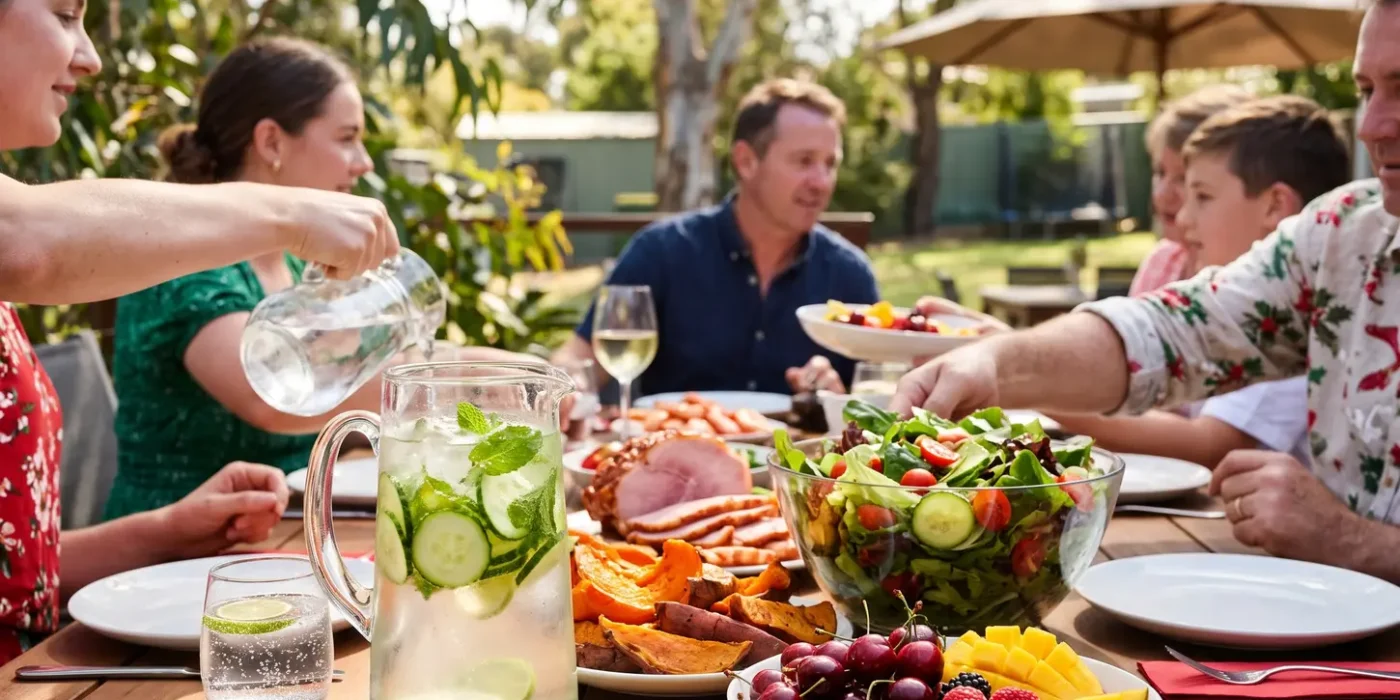
Christmas in Australia is all about the table. There’s the glazed ham, the roast lamb or turkey, a seafood platter piled with prawns and Moreton Bay bugs, pavlova, Christmas pudding, and a steady flow of beer, bubbles and cold drinks in the heat. For anyone living with gout at Christmas, that same spread can feel like a minefield. Many of the season’s favourites are rich in purines, the compounds your body breaks down into uric acid, and the extra alcohol, sugary drinks and long days in the sun can all push the risk of a flare a little higher.
The good news is that having gout doesn’t mean sitting out Christmas lunch with a plate of lettuce. Understanding how Christmas foods and gout interact lets you make a few smart swaps, keep portions sensible and still enjoy the dishes that make the day special.
In this guide, we’ll walk through why the festive season can be tricky, which foods and drinks are worth watching, what tends to sit better on the plate, how to build a balanced Christmas lunch, and what to do if a flare turns up uninvited.
Understanding Why Christmas Can Be Challenging for People With Gout
Before we get to the menu, it helps to understand what’s happening in the body, and why the way we eat and drink over Christmas can tip the balance.
What Happens in the Body When You Have Gout?
Gout is a form of inflammatory arthritis. It develops when there’s too much uric acid (also called urate) in the blood. Uric acid is a normal waste product, and most of it leaves the body through the kidneys. When the body makes more than it can clear, or the kidneys don’t remove it fast enough, levels rise.
Over time, high urate levels can lead to monosodium urate crystals forming in and around the joints. These needle-like crystals often build up quietly for months or years. Then something tips the balance, the immune system reacts to the crystals, and the joint becomes inflamed. The result is the sudden swelling, redness, heat and intense pain that people with gout know only too well.
The big toe is the joint most commonly affected, but gout can also strike the ankles, knees, feet, wrists and elbows. Healthdirect has a clear overview of gout symptoms, causes and treatment if you’d like more background.
How Do Purines Affect Uric Acid Levels?
Purines are natural compounds found in every cell of your body and in many foods and drinks. When cells break down, or when you digest purine-containing food, your body converts those purines into uric acid.
Most of the purines your body deals with are made naturally, as old cells are broken down and replaced. The rest come from your diet. That’s why food can’t fully explain gout, and why some people with very careful diets still get flares. Even so, dietary purines can add to the load, particularly when eaten in large amounts over a short period. The US National Institute of Arthritis and Musculoskeletal and Skin Diseases explains how gout develops and affects the joints in more depth.
Not all purines seem to behave the same way. A large US study that followed more than 47,000 men over 12 years found that higher intakes of meat and seafood were linked with a greater risk of developing gout, while a moderate intake of purine-rich vegetables was not. That’s why most guidance focuses on animal-based foods such as red meat, organ meats, shellfish and certain oily fish, rather than vegetables.
Why Can Christmas Eating and Drinking Habits Increase Gout Flare Risk?
Christmas tends to bring several known triggers together at once:
- Larger portions of meat and seafood. Christmas lunch often features two or three proteins on the same plate, followed by leftovers for days.
- More alcohol. Work parties, family gatherings and long lunches mean more drinks than usual, often over many hours.
- Sugary soft drinks, juices and festive beverages. Punch, cordial, soft drinks and sweet cocktails add up quickly.
- Hot summer weather. In much of Australia, Christmas falls in the heat of summer. Heat and sweating can leave you dehydrated without realising it.
- Disrupted routines. Skipped meals, travel, late nights and a break from your usual routine can make it easy to forget medication or go hours without a proper drink of water.
- Several days in a row. Christmas Eve, Christmas Day, Boxing Day and New Year’s Eve can turn one big meal into a week of rich eating.
That last point matters. A study of 633 people with gout found that those with the highest purine intake over a two-day period had almost five times the risk of a recurrent attack compared with those with the lowest intake. Purines from animal sources carried a much stronger link than purines from plants. In other words, it’s the build-up over a couple of days, not one slice of ham, that’s most worth watching.
Christmas Foods to Watch If You Have Gout
There’s no need to cross every festive favourite off the list. The aim is to know which high purine foods deserve a smaller serve and which can take up more room on your plate. If you’d like a broader look beyond the Christmas table, we’ve gathered the common foods that trigger gout in one place.
Roast Beef, Lamb and Pork
Red meat contains purines that contribute to uric acid production, and it’s a big part of many Australian Christmas spreads. A roast lamb leg, a beef sirloin or a pork roast with crackling might all appear on the same table.
The issue is rarely one serve. It’s the size of the serve, and the fact that many people go back for seconds and then have the same meat again at dinner and on Boxing Day. A sensible approach:
- Choose one red meat rather than sampling all of them.
- Aim for a palm-sized portion and fill the rest of the plate with vegetables and salads.
- Go easy on the leftovers over the following days, especially if seafood is also on the menu.
Christmas Ham and Glazed Ham
For many families, the ham is the centrepiece of Christmas. Ham is a pork product, so it contains purines, and it’s usually served in generous slices over several days.
The glaze is worth a second look too. Traditional honey, brown sugar, maple and marmalade glazes are high in sugar, and those sugars contain fructose, which can also raise uric acid. A light brush of glaze is very different from thick, sticky layers.
You don’t need to skip the ham. Enjoy a couple of thin slices, go lighter on the glaze, and avoid turning ham into the main ingredient of every meal from Christmas Eve to New Year.
Seafood Platters: Prawns, Crab, Lobster and More
Seafood deserves particular attention on a gout-conscious Christmas menu. Shellfish and certain fish are among the more purine-rich foods, and seafood platters make it very easy to keep picking. In the same large study mentioned earlier, men with the highest seafood intake had a higher risk of gout than those with the lowest.
Here’s how to approach the most common items on an Australian Christmas platter:
| Seafood | What to know | Practical approach |
| Prawns | Shellfish, commonly flagged for people with gout | Enjoy a small handful rather than a whole bowl |
| Crab | Shellfish | Share a small serve as part of a mixed plate |
| Lobster | Shellfish | Keep to a modest portion, especially alongside other meats |
| Moreton Bay bugs | Crustaceans with little purine data of their own | Treat them like other shellfish and keep servings small |
| Scallops | Often listed among the higher-purine shellfish | Have a few, not a plateful |
| Mussels | Often listed among the higher-purine shellfish | Keep portions small, or skip if they’ve triggered flares before |
| Oysters | Shellfish | A few as part of a varied spread |
| Sardines and anchovies | Among the higher-purine fish | Best limited, including in dips, dressings and pizza toppings |
Purine figures vary between sources, so it’s more useful to think in terms of overall portion and frequency than to rank every item. Watch out for anchovies hiding in Caesar dressings, tapenades and antipasto platters too.
Everyone’s triggers are a little different. Some people find prawns cause no trouble in small amounts, while others notice a flare after even a modest serve of mussels. Your own history is one of the best guides you have.
Christmas Turkey and Chicken
Poultry often gets swapped in as the “lighter” option, but that’s a common misconception. Chicken and turkey contain similar, and in some cuts higher, levels of purines than beef or pork, and population studies have linked poultry with higher uric acid levels and gout risk too. Poultry shouldn’t be treated as a free pass or a completely gout-safe swap for red meat.
Roast turkey, roast chicken and barbecue chicken can all sit on a gout-conscious plate. Keep the serve sensible, enjoy it alongside plenty of vegetables, and avoid doubling up with large portions of ham and seafood at the same meal.
The Christmas Barbecue: Sausages, Burgers and Marinated Meats
Plenty of Aussie families skip the oven altogether and fire up the barbie. Sausages, burgers, steaks, lamb chops and marinated skewers are all meat-based, so the same principles apply. Snags and burgers can be easy to eat on autopilot, one after another, while you’re chatting in the backyard.
Load up on the salads and grilled vegetables first, pick one or two meat items rather than one of everything, and watch the sugary barbecue sauces and sticky marinades.
Stuffing, Gravy and Meat-Based Sauces
Meat extracts, concentrated stocks and pan juices can all add purines to a meal. Gravy made from roast drippings and meat stock, and stuffing made with sausage meat, bacon or chopped giblets, add more meat-based purines on top of the roast itself.
A few easy swaps:
- Make stuffing with bread, herbs, onion, celery, apple and nuts instead of sausage meat or bacon.
- Use a lighter, vegetable-based gravy or a small spoonful of the traditional one.
- Try fresh herb sauces, mint sauce, salsa verde or a squeeze of lemon instead of rich meat-based sauces.
Organ Meats and Traditional Festive Dishes
Liver, kidney, heart, sweetbreads and other organ meats are particularly rich in purines and sit at the top of most lists of foods to avoid with gout. At Christmas they tend to appear in less obvious ways, such as chicken liver pâté on a grazing board, giblets in stuffing or gravy, and traditional recipes passed down through the family.
These are the foods most worth avoiding or keeping to a very small taste. If a family recipe relies on liver or giblets, it may be worth making a version without them for yourself.
Meat Pies, Sausage Rolls and Party Platters
Christmas parties often start with trays of party pies, sausage rolls, mini quiches with bacon, and cured meats on a grazing board. How purine-rich they are depends on the meat and ingredients inside, but the bigger issue is that they add to an already meat-heavy day before lunch has even started.
Vegetable-based appetisers are an easy fix. Try:
- Vegetable sticks with hummus or tzatziki
- Cheese, crackers and fresh fruit
- Bruschetta with tomato and basil
- Spinach and ricotta rolls
- Corn fritters or zucchini slice
Christmas Desserts With Hidden Alcohol
Most desserts aren’t high in purines, but some carry alcohol you might not count. Brandy custard, brandy butter, sherry-soaked trifle, rum balls and a pudding fed with brandy for weeks can all add to the day’s total, alongside the drinks in your glass.
You don’t have to skip them. Just be aware that a bowl of trifle and a few rum balls on top of several drinks all count, and choose one boozy treat rather than all of them.
Christmas Drinks That May Trigger or Increase the Risk of Gout Flares
For many people, drinks are the trickiest part of the festive season. The link between alcohol and gout is one of the best documented in gout research. Alcohol can increase uric acid production and reduce how efficiently the kidneys clear it. Sugary drinks bring a different problem through fructose.
Beer, Christmas Ales and Alcohol-Free Beer
Beer is a particular concern for people with gout. Alongside the effects of alcohol itself, beer contains purines from the yeast and malt used in brewing. That double hit is thought to be why beer has the strongest and most consistent link with gout in the research.
This applies to regular beer, craft beer, lagers and seasonal Christmas ales alike. If you’ve noticed beer brings on your flares, it’s worth limiting it or avoiding it altogether over the holidays.
Alcohol-free beer removes the alcohol but not necessarily the ingredients behind its purine content. A small study found that beer with the alcohol removed still nudged up uric acid levels slightly. It may be a better option than full-strength beer, but it isn’t automatically gout-friendly, so treat it as an occasional drink rather than an unlimited one.
Wine: Red, White and Sparkling
Wine is a fixture at Christmas lunch, and it’s often seen as the safer choice for people with gout. Older research found no clear link between wine and developing gout, unlike beer and spirits. But a later study that followed 724 people with gout found that drinking wine, beer or spirits was each associated with an increased risk of a gout attack, and the risk rose with the amount consumed.
In short, wine is not risk-free because it still contains alcohol. If you choose to have a glass, keep it to one or two, sip slowly and drink water alongside it. If wine has triggered a flare for you in the past, consider leaving it out this year.
Spirits, Cocktails and Premixed Drinks
Gin and tonic, whisky, rum and vodka-based cocktails are popular at Christmas parties. Spirits contain fewer purines than beer, but they still contain alcohol, which can increase gout flare risk.
Festive cocktails often bring a second issue. Sangria, Pimm’s punch, mojitos, daiquiris, eggnog and many premixed drinks are made with sugary syrups, juices and sweetened mixers. That combination of alcohol and sugar is worth watching.
Some alcohol-free alternatives that still feel festive:
- Soda water with fresh lime, mint and crushed ice
- Sparkling water with a splash of cranberry and orange slices
- Diet tonic with cucumber and a sprig of rosemary
- Iced herbal tea with lemon
Soft Drinks and Sugary Christmas Beverages
Fructose is a natural sugar, and it’s also part of table sugar and many sweeteners. When the body processes fructose, it produces uric acid as a by-product. Large amounts of fructose may also reduce how well uric acid is cleared.
That’s why regular cola, lemonade, sweetened soft drinks, cordial and other sugary beverages deserve attention. A large study of more than 46,000 men found that the risk of developing gout rose with the number of sugar-sweetened soft drinks consumed, while diet soft drinks were not linked with gout.
Whole fruit is a different matter from a sugar-sweetened drink. A piece of fruit comes with fibre and water, and it’s much harder to eat five oranges than to drink the juice of five oranges in a few gulps.
Fruit Juices and Festive Punch
Orange juice, apple juice, tropical blends and fruit punch can seem like healthy choices. However, juice concentrates the naturally occurring fructose from several pieces of fruit into one glass, often without the fibre. Large servings, or several glasses over a long afternoon, can add up to a lot of fructose.
Fruit punch at Christmas parties often combines juice with soft drink or cordial, and sometimes with alcohol too.
Better options include water, sparkling water, or sparkling water with a small splash of juice for colour and flavour.
Energy Drinks and Sweetened Iced Teas
Commercially sweetened iced teas and energy drinks can be surprisingly high in sugar. Their relevance to gout depends on how much sugar and fructose they contain, which varies a lot between brands.
Check the ingredients list and nutrition panel for sugar, glucose-fructose syrup, high-fructose corn syrup or fruit juice concentrate. Unsweetened versions or plain water are the simpler choice on a long, hot day.
Why Water Should Be Your Main Christmas Drink
Staying well hydrated supports normal kidney function, which plays an important part in clearing uric acid from the body. Dehydration can increase the concentration of uric acid in the blood, and the National Kidney Foundation explains the relationship between kidney function and gout in more detail.
Heat matters too. Research in people with gout has linked higher temperatures with an increased risk of recurrent attacks, possibly because sweating leads to fluid loss. During a hot Australian Christmas, with hours spent outdoors, at the beach or around the barbecue, it’s easy to drink far less water than you need.
Practical ways to keep water front and centre:
- Keep a refillable water bottle with you during outdoor gatherings.
- Put a jug of iced water on the table at lunch so it’s always within reach.
- Make it more appealing with cucumber, mint, lemon, lime or orange slices.
- Try sparkling water or unsweetened iced tea for variety.
If you have kidney disease, a heart condition or have been told to limit your fluids, follow your healthcare professional’s advice on how much to drink.
It’s also worth being clear about what water can and can’t do. Water supports hydration and normal kidney function, but it doesn’t treat gout on its own, and drinking more water won’t cancel out the effects of a big night.
Here’s a quick summary of the drinks to avoid with gout or keep to a minimum, and what to reach for instead:
| Drink | Why it matters | Better swap |
| Beer and Christmas ales | Alcohol plus purines from yeast and malt | Sparkling water with lime, or a small alcohol-free beer occasionally |
| Wine and sparkling wine | Alcohol is linked with gout attacks regardless of type | One glass at most, with water in between |
| Spirits and cocktails | Alcohol, often with sugary syrups and mixers | Mocktails made with soda water, fresh fruit and herbs |
| Regular soft drinks and cordial | Sugar-sweetened drinks are linked with higher gout risk | Plain or sparkling water |
| Fruit juice and punch | Concentrated fructose | Whole fruit, or water with a splash of juice |
| Sweetened iced tea and energy drinks | Sugar content varies, often high | Unsweetened iced tea or infused water |
Christmas Foods and Drinks That Are Generally Better Choices for People With Gout
Now for the good part. There’s plenty of gout-friendly Christmas food to fill your plate, and a summer Christmas in Australia is perfect for it. For more ideas on everyday eating, we’ve looked at dietary remedies for gout and the foods that can form the base of a balanced diet.
Fresh Vegetables and Christmas Salads
Vegetables and salads can take up the largest share of the plate. Good options include:
- Leafy green salads
- Carrots, cucumber and capsicum
- Roasted pumpkin
- Sweet potato
- Broccoli and green beans
- Fresh seasonal vegetables such as corn, zucchini, tomatoes and beetroot
Some vegetables contain purines, but as we covered earlier, research hasn’t linked purine-rich vegetables with the same risk as meat and seafood. Most people with gout don’t need to avoid vegetables because of their purine content.
Vegetarian Christmas Dishes: What About Purine-Rich Vegetables?
If you’re planning a vegetarian Christmas, or simply want more meat-free dishes on the table, you might wonder about mushrooms, lentils, beans, spinach, asparagus and cauliflower. These have higher purine levels than many other vegetables, which is why they still appear on some older “avoid” lists.
Current evidence suggests plant-based purines don’t affect gout risk in the same way as purines from meat and seafood. These foods generally don’t need to be cut out. A mushroom Wellington, a lentil and roast vegetable salad, or a spinach and ricotta pie can all be part of a balanced Christmas spread.
The key is balance. Build vegetarian meals around a mix of vegetables, legumes, grains, eggs, dairy or nuts for protein, rather than relying on one ingredient in large amounts.
Fresh Whole Fruits
Christmas is peak season for some of Australia’s best fruit. Enjoy normal serves of:
- Watermelon
- Strawberries
- Cherries
- Apples
- Oranges
- Grapes
- Mangoes
Whole fruit is generally a better choice than large amounts of fruit juice, because it’s less concentrated and much harder to overdo. Fruit still contains natural sugars, including fructose, so a sensible serve is better than eating the whole fruit bowl in one sitting.
Cherries often come up in conversations about gout. Some observational research has linked eating cherries with a lower risk of gout attacks, but this kind of study can’t prove cause and effect, and larger trials are still needed. Cherries are a lovely part of an Australian Christmas, but they aren’t a proven treatment for gout and shouldn’t replace medical advice or prescribed medication.
Eggs and Suitable Dairy Products
Eggs are low in purines and make a useful protein option. They’re ideal for a Christmas breakfast, a frittata for a picnic, or devilled eggs on a grazing board. We’ve also looked at whether eggs fit into a gout-friendly diet in more depth.
Dairy is worth including too. Milk, yoghurt and cheese can all be part of a balanced Christmas menu. In the large study of more than 47,000 men mentioned earlier, higher dairy intake, particularly low-fat dairy, was associated with a lower risk of developing gout. That’s an association rather than proof, but it’s encouraging.
Some festive dairy ideas include Greek yoghurt with berries, a fruit platter with cheese, or tzatziki with vegetable sticks.
Nuts and Plant-Based Protein
Almonds, walnuts and peanuts make easy snacks and add crunch to salads and stuffing. Peanuts are a legume rather than a true nut, and the question of whether peanuts are bad for gout comes up often. In general, a small handful fits comfortably into a balanced diet.
Beans, lentils, chickpeas and other legumes can also be part of the mix. As with vegetables, plant-based purines aren’t generally treated the same way as purines from meat and seafood. A three-bean salad or a chickpea and roast pumpkin salad can bring protein to the table without adding to the meat load.
Here’s a quick summary of the Christmas menu at a glance:
| Watch closely | Enjoy in moderation | Generally better choices |
| Organ meats, pâté and giblet stuffing | Roast beef, lamb and pork | Fresh vegetables and salads |
| Sardines and anchovies | Ham (go light on the glaze) | Roasted pumpkin and sweet potato |
| Large seafood platters | Prawns, crab, lobster and bugs | Whole fruit in normal serves |
| Beer and Christmas ales | Turkey and chicken | Eggs |
| Sugary soft drinks, juice and punch | Wine, spirits and cocktails | Low-fat milk and yoghurt |
| Rich meat gravies | Sausages and burgers | Nuts and legumes |
| Several boozy desserts in one day | Pavlova and Christmas pudding | Water and unsweetened drinks |
How to Build a Gout-Friendly Christmas Lunch
A sensible gout diet during Christmas isn’t about strict rules. It’s about building each plate so the higher-purine foods play a supporting role rather than the starring one.
Start With a Balanced Christmas Plate
A simple way to build your plate:
- Fill about half with vegetables and salads.
- Use about a quarter for your protein, whether that’s ham, turkey, lamb or seafood.
- Use the remaining quarter for sides such as roast potatoes, bread rolls or rice salad.
Try not to make seafood and red meat the main part of every course. If you’re starting with prawns, keep the roast to a smaller serve. If the ham is the hero of the day, consider passing on the seafood platter. Variety and sensible serving sizes are what matter most.
Choose Your Proteins Carefully
Keep red meat and seafood portions moderate, and pick one main protein for the meal rather than sampling several. Eggs, low-fat dairy, legumes and nuts can round out the protein on your plate. Avoid organ meats where you can, and remember that neither poultry nor seafood is automatically gout-friendly just because it isn’t red meat.
Be Mindful of Sauces, Gravies and Condiments
Go easy on meat-based gravies and sauces made from concentrated stocks. Moderate sugary sauces and sweetened condiments such as barbecue sauce, sweet chilli and cranberry sauce. Where it’s practical, choose lighter sauces made from vegetables, herbs, yoghurt or citrus.
Plan Desserts Without Overdoing Sugary Drinks
Pavlova topped with fresh berries and passionfruit, a big bowl of fruit salad, Christmas pudding and trifle are all part of the tradition. Most desserts are low in purines, so the bigger picture matters more than any single dessert.
Rather than restricting fruit, focus on limiting the sugary drinks that often come with dessert, such as soft drink, punch and sweet dessert wines. A slice of pavlova with fresh fruit and a glass of water is a very different end to the meal from pudding with brandy custard, a liqueur and a can of soft drink.
Here’s an example of how a gout-conscious Christmas lunch might look:
| Course | Gout-conscious idea |
| Nibbles | Vegetable sticks, hummus, cheese and crackers, a small handful of nuts |
| Starter | A few prawns with a big green salad and lemon |
| Main | A palm-sized serve of turkey or ham, roast pumpkin, green beans and a potato salad |
| Dessert | Pavlova with berries, mango and passionfruit |
| Drinks | Iced water with mint and lime, sparkling water, and one glass of wine at most if you choose to drink |
10 Practical Tips for Managing Gout During Christmas Celebrations
There’s no single answer to how to prevent gout flare-ups, but small habits over the festive season can make a real difference. The American College of Rheumatology’s guidance on gout treatment options and prevention recommends limiting alcohol, purine intake and high-fructose corn syrup, alongside medical treatment where it’s needed.
1. Don’t Skip Meals Before Christmas Lunch
Saving yourself for the big meal can backfire. Arriving extremely hungry makes it easier to overeat meat and seafood. Fasting and going without enough food can also raise uric acid levels, as the body breaks down its own tissue and clears uric acid less efficiently. Have a normal breakfast and a light snack before you head out.
2. Keep Meat and Seafood Portions Moderate
Avoid very large serves, and be especially careful with high-purine seafood and organ meats. Remember that it’s the total over a couple of days that counts, so plan around Christmas Eve, Christmas Day and Boxing Day together.
3. Alternate Alcoholic Drinks With Water
If you’re drinking alcohol, have a glass of water between each drink. It helps with hydration and slows down how much you drink overall. Just keep in mind that drinking water doesn’t cancel out the alcohol-related risk to your gout.
4. Don’t Forget to Drink Water in the Australian Summer
Heat, sweating and hours outdoors all lead to fluid loss. Sip water regularly throughout the day rather than waiting until you’re thirsty, especially at the beach, on a long drive or around the barbecue.
5. Avoid Binge Drinking
Drinking a large amount of alcohol in a short time can be particularly problematic, as research shows the risk of a gout attack rises with the amount consumed. Australian guidelines suggest healthy adults drink no more than 10 standard drinks a week and no more than 4 on any one day. People with gout may need to drink less than that, so ask your doctor what’s sensible for you.
6. Don’t Overindulge in Sugary Drinks
Choose water or unsweetened drinks instead of regular soft drinks, cordial and fruit punch. If you want something sweet, have a piece of fruit instead.
7. Keep Track of Your Personal Food Triggers
Triggers can differ from person to person, so keeping a simple record helps. Note what you eat and drink, and when any gout symptoms start. Over time, patterns often emerge that can help you and your doctor plan for next Christmas.
8. Don’t Stop Your Prescribed Gout Medication
If you’ve been prescribed medication for gout, keep taking it exactly as your doctor has advised, including over the holidays. Travel, late nights and changes to routine make it easy to forget doses, so set a phone reminder or keep your medication with your toothbrush. Check your supply before Christmas, as many clinics and pharmacies have reduced hours over the break. Never change or stop your medication because you’re planning to eat more carefully, or because you’ve had a big meal.
9. Avoid Crash Dieting After Christmas
After the festive season, it’s tempting to try a strict detox or a rapid weight-loss plan. However, fasting and crash diets can raise uric acid levels and may trigger a flare. If you’d like to lose weight, gradual and sustainable changes are a safer approach.
10. Speak to Your Doctor Before Trying New Supplements or Herbal Products
Many people look into natural remedies for gout, including traditional Asian herbal formulas such as Chatuphalatika for gout. Herbal preparations can interact with prescription medication and may not suit everyone, particularly people with kidney or liver conditions. Talk to your GP or pharmacist before starting any complementary product, and let them know about everything you’re already taking.
What If You Experience a Gout Attack During Christmas?
Even with the best planning, a flare can still happen. Knowing what to look for and what to do can make a difficult day more manageable.
Recognising the Signs of a Gout Flare
A gout flare usually comes on quickly, often overnight. Common signs include:
- Sudden and intense joint pain
- Swelling and redness
- Warmth around the affected joint
- Severe tenderness, where even a bedsheet feels painful
- Difficulty walking or moving the joint
The NHS has a useful overview of gout symptoms, treatment and when to seek medical advice. For urgent help in Australia, always call triple zero (000).
What to Do When a Gout Attack Starts
If you have gout, the most important step is to follow the flare plan your doctor has given you. If this is your first suspected attack, or the symptoms feel different from usual, seek medical advice promptly.
While you’re getting help, these steps may make you more comfortable:
- Rest and protect the joint. Raise it if you can, and keep weight off it. This isn’t the time for backyard cricket, and some exercises to avoid with gout put direct strain on an inflamed joint.
- Use a cold pack. Wrap an ice pack or a bag of frozen peas in a cloth and apply it for 10 to 15 minutes at a time, if it’s appropriate for you.
- Keep drinking water, unless you’ve been advised to restrict fluids.
- Avoid alcohol while the flare is active.
- Keep taking your regular gout medication, including any urate-lowering medicine, unless your doctor tells you otherwise.
- Check before reaching for pain relief. Healthdirect advises that aspirin is not recommended for gout, so ask a pharmacist which option suits you and your other medicines.
HealthyWA also has practical guidance on how to manage a gout attack.
Why Diet Changes Alone Won’t Stop an Active Gout Attack
Managing uric acid levels over time and treating an acute flare are two different things. Once a flare has started, the joint is already inflamed by crystals that have built up over a long period. Skipping the seafood or drinking extra water at that point won’t switch the inflammation off.
Diet and hydration are useful long-term habits, but they’re not a substitute for appropriate medical treatment. Repeated flares can lead to lasting joint damage and other problems, and The Arthritis Movement has helpful information on understanding gout and its complications. Prescribed gout medication plays a central role for many people, and the UK’s National Institute for Health and Care Excellence sets out evidence-based recommendations for managing gout, including both flare treatment and long-term care.
Getting Help When Your GP Is Closed
Christmas and the public holidays that follow can make it harder to see your usual GP. If a flare starts over the break:
- Speak to a pharmacist, who can advise on suitable pain relief and whether you need to see a doctor.
- Look for an after-hours GP clinic or home-visit service in your area.
- Call the healthdirect helpline on 1800 022 222 to speak with a registered nurse, 24 hours a day.
When to Seek Urgent Medical Attention
Some symptoms need urgent care. Seek medical help straight away if you have:
- A hot, swollen joint with fever or chills
- Rapidly worsening pain and swelling
- A feeling of being seriously unwell
These symptoms can be a sign of septic arthritis, an infection inside the joint that can look very similar to gout. Septic arthritis is a medical emergency and needs urgent treatment to prevent permanent joint damage. Fever doesn’t always appear, so if a joint suddenly becomes hot, swollen and very painful and something feels wrong, don’t wait. Call triple zero (000) or go to your nearest emergency department. Healthdirect has more on septic arthritis and when to get help.
Frequently Asked Questions About Gout at Christmas
Here are quick answers to the questions we hear most at this time of year. You’ll find more practical guides among our gout articles.
Can I Eat Christmas Ham If I Have Gout?
Most people with gout can enjoy some Christmas ham. Ham is a pork product and contains purines, so keep to a couple of thin slices, go light on sugary glazes and avoid eating it at every meal over the holidays.
Are Prawns Bad for Gout?
Prawns and other shellfish are among the seafood commonly flagged for people with gout, so they’re best eaten in small amounts. A few prawns as part of a varied plate is very different from a whole platter. The same goes for seafood in general. Moderate portions matter more than avoiding every item, and if a particular seafood has triggered a flare before, it’s wise to skip it.
Can I Eat Turkey at Christmas If I Have Gout?
Yes, in sensible portions. Turkey contains purine levels similar to red meat, so it isn’t a gout-safe swap, but a moderate serve alongside plenty of vegetables and salads is a reasonable choice for most people.
Can I Drink Wine If I Have Gout?
Wine contains alcohol, and research has linked wine, beer and spirits with an increased risk of gout attacks. If you choose to drink, keep it to a small amount, have water in between and avoid wine altogether if it has triggered flares in the past. Your doctor can advise what’s sensible for you.
Is Champagne Better Than Beer for Gout?
Not necessarily. Champagne and other sparkling wines contain far fewer purines than beer, and beer has the strongest link with gout in the research. However, champagne still contains alcohol, and wine, beer and spirits have each been linked with gout attacks. Swapping beer for bubbles isn’t a safe swap, so the amount you drink still matters most.
Can I Have a Few Drinks at Christmas If My Gout Is Well Controlled?
Some people with well-controlled gout can drink small amounts of alcohol, but the risk of a flare rises with the amount you drink. Talk to your doctor about what’s sensible for you, keep to well within the national guidelines, and alternate every drink with water.
Are Cherries Good for Gout?
Cherries are a healthy, delicious Christmas fruit, and some observational studies have linked eating them with fewer gout attacks. However, that research can’t prove cherries prevent flares, and they aren’t a proven treatment. Enjoy them as part of a balanced diet, not as a replacement for medical care.
Can Drinking More Water Prevent Gout Attacks?
Staying well hydrated supports normal kidney function and helps the body clear uric acid, and dehydration is a known trigger for flares. But water alone won’t prevent gout attacks or treat gout. It works best as one part of a broader plan that includes a balanced diet and any medication your doctor has prescribed.
What Is the Best Christmas Meal for Someone With Gout?
There’s no single best meal, but a good Christmas lunch for someone with gout is built around vegetables and salads, with a moderate serve of one main protein, sides such as roast pumpkin or potatoes, whole fruit for dessert and plenty of water. Planning a Christmas dinner, gout and all, comes down to balance rather than restriction.
Can I Eat Sweets and Desserts If I Have Gout?
Yes, in moderation. Most desserts are low in purines, but some contain alcohol, and many are high in sugar. Enjoy a serve of pavlova, pudding or fruit salad, and focus on limiting sugary drinks and boozy extras rather than cutting out dessert altogether.
Celebrating Christmas Mindfully With Authentic Arthritis Asian Herbs
Christmas is about family, good food and time together, and we’d love for you to enjoy every bit of it. The choices in this guide aren’t about missing out. They’re about knowing your own body and giving it a bit of extra care during a busy season.
At Authentic Arthritis Asian Herbs, we share our passion for herbs that have been traditionally used in Asian herbal medicine for generations. Our traditional herbal formula is taken internally, and its herbs have long been used in traditional Asian practice to support joint comfort and mobility. We see it as something to sit alongside the advice of your healthcare team, never in place of it.
We’d also rather be straight with you. Our product isn’t recommended for people with kidney or liver problems, people with stomach ulcers or other gastrointestinal issues, or during pregnancy. If you have any ongoing health condition or take prescription medication, please speak to your GP or pharmacist before you start.
Each set of five tablets contains seven herbs, as listed on our label:
- Salacia chinensis
- Anamirta cocculus
- Cryptolepis dubia
- Strychnos
- Derris scandens
- Dracaena conferta
- Eucommia bark
Take this list with you to your appointment. If your GP or pharmacist needs any further detail, get in touch with our team and we’ll help where we can.
ALWAYS READ THE LABEL AND FOLLOW THE DIRECTIONS FOR USE.
Looking for a traditional herbal formula to add to your wellness routine this summer? Explore Authentic Arthritis Asian Herbs today, and enjoy the festive season your way.