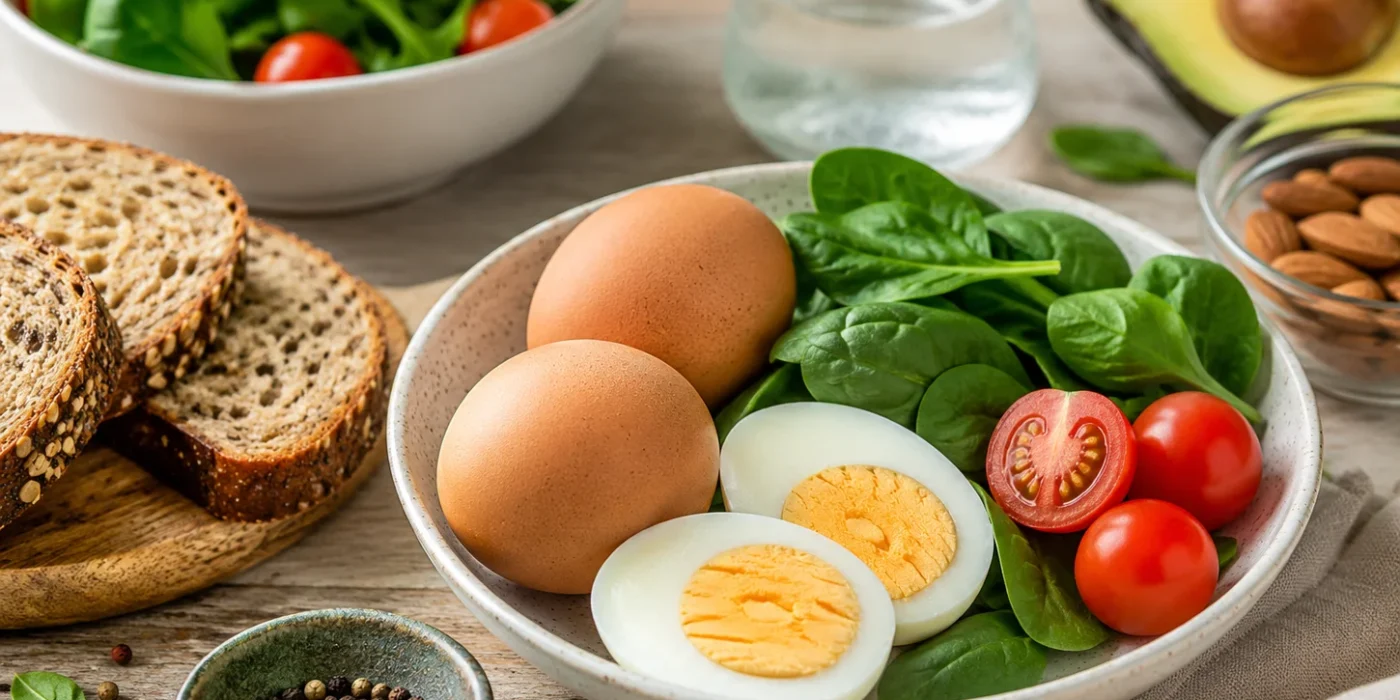
If you’ve been managing gout, you’ve likely heard all kinds of conflicting advice about what you can and can’t eat. Eggs tend to come up often in these conversations — and not always fairly. Many people with gout wonder whether eggs are triggering their flares, or if they’re safe to include in their everyday meals.
The short answer? Eggs are generally one of the better food choices you can make when you have gout. But as with anything related to this condition, the full picture is worth understanding properly.
In this article, we’ll break down the science behind eggs and gout, separate the myths from the facts, and help you build a diet that genuinely supports your joint health.
Understanding Gout and Uric Acid
What Is Gout?
Gout is a form of inflammatory arthritis that develops when uric acid levels in the blood become elevated — a condition called hyperuricaemia. When there’s too much uric acid circulating in the body, it can crystallise and deposit in the joints, tendons, and surrounding tissues. These sharp, needle-like uric acid crystals trigger intense inflammation, causing the sudden and severely painful episodes known as gout flare-ups or gout attacks.
Gout most commonly affects the big toe, but it can also occur in the ankles, knees, wrists, fingers, and elbows. Flare-ups often come on quickly — sometimes overnight — and can last for days or even weeks. Over time, if uric acid levels remain high and the condition is left unmanaged, repeated gout attacks can cause lasting joint damage and the formation of tophi (lumps of urate crystals beneath the skin).
What Causes High Uric Acid?
Uric acid is a natural byproduct of the breakdown of purines — compounds found in many foods and produced by the body itself. In most people, uric acid dissolves in the blood, passes through the kidneys, and leaves the body in urine. However, several factors can disrupt this process and lead to elevated uric acid levels:
- Genetics — A family history of gout significantly increases your risk. Genetic variations can affect how efficiently the kidneys process and excrete uric acid.
- Kidney function — When the kidneys don’t filter as effectively, uric acid builds up in the bloodstream instead of being eliminated.
- Obesity — Excess body weight increases uric acid production and reduces the kidneys’ ability to excrete it. Losing even a modest amount of weight can have a meaningful impact on uric acid levels.
- Alcohol — Beer and spirits in particular raise uric acid levels, both by increasing its production and by reducing how much the kidneys excrete. Even moderate alcohol consumption can trigger gout attacks in susceptible individuals.
- Sugary drinks — Drinks sweetened with high-fructose corn syrup — including soft drinks and many fruit juices — are strongly associated with elevated uric acid and increased gout risk.
- High-purine foods — Foods that are rich in purines, such as organ meats, certain seafood, and red meat, can raise uric acid when consumed in large amounts.
- Certain medications — Diuretics (water tablets), low-dose aspirin, some immunosuppressants, and certain blood pressure medications can reduce uric acid excretion and contribute to hyperuricaemia.
Why Diet Still Matters
It’s important to be clear: diet alone does not cause gout. Most people with gout have an underlying metabolic or genetic predisposition that affects how their bodies handle uric acid. However, this doesn’t mean what you eat is irrelevant. Dietary choices can meaningfully reduce the frequency and severity of gout flares, support a healthier body weight, and take some pressure off the kidneys.
The key is to think long-term. It’s not about avoiding one specific food or following a rigid elimination diet — it’s about establishing sustainable eating habits that keep uric acid levels more stable over time. Understanding which foods genuinely raise uric acid (and which ones are blamed unfairly) is an important first step, and that’s exactly where eggs come in.
Are Eggs High in Purines?
Purine Content of Eggs
Here’s the good news: eggs are one of the lowest-purine foods available. Purine content is measured in milligrams per 100 grams of food, and eggs come in well under the threshold that makes a food problematic for gout. Nutritional research consistently classifies eggs as a low-purine food, making them broadly considered safe for people with gout.
This is in sharp contrast to foods like organ meats, shellfish, and certain types of fish that are genuinely high in purines and more directly linked to elevated uric acid levels. To give you a clear sense of where eggs sit in comparison to other common protein sources, here’s a straightforward comparison:
| Food | Purine Level | Gout Friendly? |
| Eggs | Very Low | ✔ Yes |
| Chicken Breast | Moderate | Usually |
| Salmon | Moderate | Usually in moderation |
| Sardines | Very High | Limit |
| Liver | Extremely High | Avoid |
As the table shows, eggs sit at the safest end of the spectrum. Whether you’re eating them scrambled, poached, boiled, or baked into a meal, eggs are unlikely to push your uric acid levels higher — which is more than can be said for many other protein-rich foods.
Can Eggs Trigger Gout Attacks?
The current body of scientific evidence does not support the idea that eggs trigger gout attacks. No strong clinical research has established a link between regular egg consumption and raised uric acid levels in people with gout. This is largely because eggs simply don’t contain enough purines to have a meaningful impact on uric acid production.
That said, everyone’s body is different. A small number of individuals may notice sensitivities to certain foods that don’t fit neatly into the purine content data — and it’s always worth paying attention to your own patterns. But for the vast majority of people with gout, eggs are a safe and valuable part of the diet.
There are a few practical considerations worth keeping in mind:
- Portion control — While eggs themselves aren’t a concern for gout, eating very large quantities of any food in a single sitting can contribute to excess calorie intake over time.
- Overall calorie intake — Obesity is one of the most significant risk factors for gout. Maintaining a healthy calorie balance helps support a healthy body weight, which in turn supports healthy uric acid levels.
- Weight management — Because excess weight places additional load on joints already affected by uric acid crystals, managing your weight through a balanced diet (which can absolutely include eggs) is one of the most impactful lifestyle strategies for gout.
Eggs, eaten sensibly as part of a well-rounded diet, are genuinely encouraged for people managing gout — not something to fear or avoid.
Why Eggs Are Actually a Good Protein Choice for People with Gout
When you have gout, finding reliable protein sources that don’t aggravate your condition can feel like a challenge. Red meat is often limited, organ meats are off the table, and some seafood needs to be consumed cautiously. Eggs step in as a practical and nutritionally sound solution.
High-Quality Protein Without Excess Purines
Eggs are one of the most complete protein sources in the human diet. They contain all nine essential amino acids — the building blocks of protein that the body cannot produce on its own and must obtain through food. This complete amino acid profile means that eggs support muscle maintenance and repair efficiently, without the high purine load that comes with red meat or organ meats.
For people with gout who need to moderate their intake of certain animal proteins, eggs provide a way to meet daily protein needs without adding unnecessary uric acid risk. They are, in this sense, one of the most practical proteins available for gout management.
Supports Healthy Ageing
Maintaining adequate protein intake becomes increasingly important as we age. Muscle mass naturally declines over time — a process called sarcopenia — and insufficient protein is one of the key contributors. For people living with gout, who may already be dealing with reduced mobility and joint pain, preserving muscle mass through adequate nutrition is especially valuable.
Eggs also contribute to satiety — they help you feel full — which supports balanced eating habits and healthy weight management. A healthy metabolism and a stable body weight, in turn, are among the most effective tools for keeping uric acid levels under control and reducing the frequency of gout flares over the long term.
Versatile and Affordable
One of the underappreciated advantages of eggs for people with gout is their sheer flexibility. They can be incorporated into meals at any time of day without fuss:
- Breakfast — Boiled eggs with wholegrain toast, poached eggs on avocado, or a vegetable-loaded omelette
- Lunch — Egg salad on dark rye, a frittata with roasted vegetables, or a simple egg and spinach wrap
- Dinner — Eggs baked into a shakshuka, incorporated into a stir-fry, or served alongside a bowl of brown rice and greens
- Snacks — Hard-boiled eggs are one of the most portable, protein-rich snacks available
Eggs are also highly affordable compared to many other quality protein sources, making them accessible for people managing long-term dietary changes on a practical budget.
Whole Eggs vs Egg Whites: Is One Better?
This is a question that comes up frequently, particularly because of historical concerns about dietary cholesterol. Let’s clarify where things stand.
Egg whites contain the vast majority of the protein in an egg, with virtually no fat and essentially no purines. If you were eating eggs primarily for their protein contribution to gout management, egg whites would tick that box effectively.
Egg yolks, on the other hand, contain most of the egg’s vitamins and minerals — including vitamin D, vitamin B12, choline, iron, and zinc — as well as healthy fats. Removing the yolk strips away a significant portion of the egg’s nutritional value.
For most people with gout, whole eggs are perfectly suitable. It’s worth noting that gout management focuses primarily on purine content, not dietary cholesterol. The concern about dietary cholesterol raising cardiovascular risk has also been substantially revised in recent decades — current dietary guidelines in Australia and internationally generally no longer recommend strict limits on egg consumption for most healthy adults.
Unless you have a specific cardiovascular condition that your doctor has advised you to manage through reduced dietary cholesterol, there is no compelling gout-specific reason to avoid the yolk. Whole eggs remain a nutritionally complete and gout-safe food.
Best Ways to Eat Eggs If You Have Gout
How you prepare eggs matters — not because certain cooking methods affect their purine content, but because some preparation styles come with additional ingredients that may be less helpful for gout or overall health.
Boiled Eggs
Hard or soft boiling is one of the cleanest ways to enjoy eggs. No added fats are required, the eggs retain their nutritional value well, and they’re easy to prepare in batches for the week ahead.
Poached Eggs
Poaching is another excellent low-fat preparation method. A poached egg on wholegrain toast with a side of wilted spinach makes a genuinely nutritious gout-friendly meal.
Scrambled Eggs with Minimal Butter
Scrambled eggs can be prepared healthily — the key is to use minimal butter or a small amount of olive oil rather than excessive fat. Avoid drowning them in cream or heavy cheese.
Vegetable Omelettes
An omelette loaded with vegetables — think spinach, capsicum, mushrooms, and tomatoes — is an excellent way to combine eggs with antioxidant-rich, low-purine plant foods. This is a particularly satisfying option for people managing gout, as vegetables are broadly encouraged in gout-supportive diets.
Eggs on Wholegrain Toast
Pairing eggs with wholegrain or sourdough bread provides dietary fibre, which supports gut health and helps maintain a healthy weight — both beneficial for gout management.
What to limit when eating eggs:
- Deep frying — adds excess unhealthy fat and unnecessary calories
- Large amounts of bacon or processed meats alongside eggs — processed meats are high in purines and sodium, which can be counterproductive for gout
- Excess butter or cream in the preparation
Protein Sources That Pair Well with Eggs
While eggs are an excellent protein choice for gout, variety is important in any healthy diet. The following protein sources complement eggs well and are generally considered gout-friendly:
- Low-fat dairy — Milk, yoghurt, and reduced-fat cheese have actually been associated in research with lower uric acid levels. Dairy proteins appear to have a mild uricosuric effect — meaning they may help the kidneys excrete more uric acid.
- Tofu — A valuable plant-based protein that is low in purines and can be used in a wide variety of meals.
- Greek yoghurt — High in protein, low in purines, and versatile enough for breakfast, snacks, or as a cooking ingredient.
- Legumes (in moderation) — Lentils, chickpeas, and beans contain purines but also carry significant fibre and nutritional benefits. Modern research suggests that plant-based purines may be less problematic for uric acid levels than animal-based purines. Most guidelines now recommend consuming legumes in moderate amounts rather than avoiding them entirely.
- Chicken — A moderate-purine protein that is generally well tolerated by most people with gout, particularly skinless, grilled or baked cuts.
- Turkey — Similar to chicken, turkey is a moderate-purine option that fits into most gout-management eating plans.
- Nuts and seeds — Almonds, walnuts, sunflower seeds, and similar foods provide healthy fats, plant protein, and anti-inflammatory nutrients with minimal purine concern.
The broader shift in dietary research over recent years is worth noting here: plant-based proteins are increasingly recognised as being less problematic for gout than was once believed. A diet that leans toward eggs, low-fat dairy, plant proteins, and moderate amounts of poultry, while limiting organ meats, shellfish, and processed meats, represents a practical and evidence-based approach to eating well with gout.
Foods That Are More Likely to Increase Gout Risk
Eggs are sometimes blamed unfairly for gout problems — often because people associate any animal protein with gout risk. In reality, the foods that most significantly raise uric acid levels are quite specific, and eggs aren’t among them. Here’s where the genuine concern lies:
Organ Meats
Liver, kidneys, sweetbreads, and other offal are among the highest-purine foods in existence. People with gout are typically advised to avoid organ meats entirely. A single serving of liver can contain many times more purines than any amount of eggs you’d realistically eat in a day.
Certain Seafood
While many types of fish are nutritious and beneficial overall, certain seafood is extremely high in purines and can significantly elevate uric acid:
- Sardines — Very high in purines; best limited or avoided entirely
- Anchovies — Similar purine profile to sardines; a frequent trigger for gout attacks
- Mussels, scallops, and prawns — Moderate to high purine content; best eaten in small amounts if at all
Excessive Alcohol
Alcohol — particularly beer and spirits — is one of the most well-established dietary triggers for gout. Beer contains purines from its yeast content, and alcohol more broadly reduces how efficiently the kidneys excrete uric acid. Even a single episode of heavy drinking can precipitate a gout attack in vulnerable individuals.
Sugary Soft Drinks
High-fructose corn syrup, found in many soft drinks, fruit cordials, and packaged juices, has a documented association with elevated uric acid. Fructose stimulates uric acid production and impairs its excretion — a double problem for gout management. Reducing or eliminating sugary beverages is one of the most impactful dietary changes people with gout can make.
Highly Processed Foods
Packaged snack foods, fast food, processed meats (salami, hot dogs, sausages), and ready meals are often high in refined carbohydrates, unhealthy fats, and sodium — all of which contribute to weight gain, metabolic stress, and elevated uric acid over time. These foods deserve far more attention in gout discussions than eggs do.
Other Lifestyle Habits That Help Reduce Gout Flare-Ups
Diet is one piece of the gout management puzzle, but it works best alongside broader lifestyle habits. The following practices are consistently supported by research for reducing gout flare frequency and severity:
Stay Well Hydrated
Drinking adequate water — typically at least 2 litres per day, more in hot weather or during physical activity — helps the kidneys flush uric acid out of the body more efficiently. Staying hydrated is one of the simplest and most effective gout strategies available.
Maintain a Healthy Weight
Excess body weight is a significant driver of elevated uric acid levels. Losing weight gradually through a balanced, sustainable diet (that can absolutely include eggs) and regular activity reduces both uric acid production and the strain placed on affected joints. Crash diets, however, can temporarily spike uric acid levels due to rapid breakdown of body tissue — a slow and steady approach is preferable.
Exercise Regularly
Regular, low-impact exercise — such as walking, swimming, cycling, or gentle yoga — supports a healthy weight, improves circulation, and helps maintain joint function. During an active gout flare, it’s sensible to rest the affected joint and resume activity once the inflammation has settled.
Limit Alcohol Intake
As discussed above, alcohol — and beer in particular — is one of the most reliably documented gout triggers. Reducing intake or eliminating alcohol during periods of active gout management can make a significant difference to flare frequency.
Follow Medical Advice
Diet and lifestyle changes are valuable, but they work best as a complement to, not a replacement for, medical treatment. Uric acid-lowering medications such as allopurinol are often prescribed for people with frequent gout attacks or persistently high uric acid levels. Following your doctor’s treatment plan alongside dietary changes gives you the best possible chance of keeping gout well managed.
Common Myths About Eggs and Gout
A number of persistent misconceptions circulate about eggs and gout. Let’s address the most common ones directly.
Myth: Eggs Increase Uric Acid
The reality: Eggs are low in purines and have not been shown in research to significantly raise uric acid levels. This myth likely stems from the broader (and often oversimplified) advice to limit animal proteins. Not all animal proteins carry equal purine loads, and eggs are at the safe end of the spectrum.
Myth: All Animal Protein Is Bad for Gout
The reality: The relationship between animal protein and gout is more nuanced than this. Organ meats and certain shellfish are genuinely high-risk for gout due to their purine content. Moderate-purine proteins like chicken and eggs are broadly tolerated. The blanket “avoid all meat” approach is unnecessarily restrictive and not supported by current evidence.
Myth: Egg Yolks Cause Gout
The reality: Egg yolks are not high in purines. The cholesterol content of egg yolks is a separate conversation from their impact on uric acid — and even the cholesterol concern has been significantly walked back in recent dietary guidance. Egg yolks do not cause gout.
Myth: You Must Avoid Eggs Completely
The reality: There is no clinical basis for advising people with gout to avoid eggs. The evidence consistently supports eggs as a safe and nutritious food for people managing gout. If you’ve been told to avoid eggs specifically because of your gout, it’s worth revisiting that advice with your healthcare provider in light of current research.
Frequently Asked Questions
Can I eat eggs every day if I have gout?
For most people with gout, eating eggs daily is considered safe. Eggs are low in purines and have not been shown to raise uric acid levels meaningfully. Variety in the diet is always a good principle, but there’s no evidence-based reason to limit eggs to only a few times per week purely for gout management.
How many eggs can someone with gout eat?
Current research does not establish a specific upper limit for eggs in the context of gout management. Most healthy adults can comfortably eat one to two eggs per day. If you have a concurrent cardiovascular condition, it’s worth discussing egg intake with your doctor or a dietitian.
Are boiled eggs better than fried eggs for gout?
From a gout perspective, the cooking method doesn’t change the egg’s purine content — so boiled and fried eggs are essentially equivalent in terms of uric acid impact. That said, boiled or poached eggs are generally healthier choices from an overall diet standpoint, as they avoid the added fats that come with frying.
Do egg whites help reduce uric acid?
Egg whites don’t actively lower uric acid, but because they are extremely low in purines and calories, they contribute to a diet that doesn’t stress uric acid metabolism. Some research suggests low-fat dairy proteins may have a mild uric acid-lowering effect — but this hasn’t been specifically demonstrated for egg whites.
Are eggs better than red meat for gout?
Yes, generally speaking. Red meat — particularly processed red meat and organ meats — is significantly higher in purines than eggs and is more directly associated with elevated uric acid and gout flares. Eggs are a more gout-friendly protein alternative.
Can eggs be eaten during a gout flare?
Yes. Eggs are unlikely to worsen a gout flare because of their low purine content. During a flare, it’s generally more important to stay well hydrated, rest the affected joint, and follow your prescribed treatment. Eating eggs during this period is generally fine and can be a helpful way to maintain protein intake when your appetite may be reduced.
When to Seek Professional Advice
Understanding what to eat with gout is important, but it’s equally important to know when to seek professional support. Consider speaking with your doctor or a registered dietitian if you are experiencing:
- Frequent gout attacks — If you’re having more than two or three gout flares per year, this is a sign that uric acid levels may need to be addressed medically, not just through diet.
- Persistently high uric acid — Some people have chronically elevated uric acid even with good dietary habits. Uric acid-lowering medication may be appropriate.
- Kidney disease — People with chronic kidney disease process uric acid differently, and their dietary and medication needs around gout require careful, individualised management.
- Medication review — If you’re taking medications that may be contributing to elevated uric acid (such as diuretics or low-dose aspirin), your doctor may be able to review alternatives.
- Personalised dietary guidance — A dietitian can help you develop a specific eating plan that accounts for your overall health, any other conditions you have, your food preferences, and your lifestyle — something that goes well beyond general advice.
Gout is a manageable condition, and with the right combination of dietary habits, lifestyle changes, and medical support, most people are able to significantly reduce the frequency and severity of flare-ups.
Explore Natural Herbal Support
Managing joint health well means taking a long-term view — good dietary habits, regular movement, staying hydrated, and working alongside your healthcare team. If you’re also interested in what traditional Asian herbal medicine has to offer as part of that picture, we’d love to introduce you to our range at Asian Herbs.
At Asian Herbs, we’re passionate about sharing the natural power of traditional Asian herbal products. Our formula has been thoughtfully crafted drawing on generations of herbal wisdom, and is designed to complement a healthy, balanced lifestyle.
If you’d like to learn more, visit our product page and see what Asian Herbs may be able to offer you.
Always consult your healthcare professional before starting any new supplement, particularly if you are managing a diagnosed health condition or taking prescribed medications.
Always read the label and follow the directions for use.