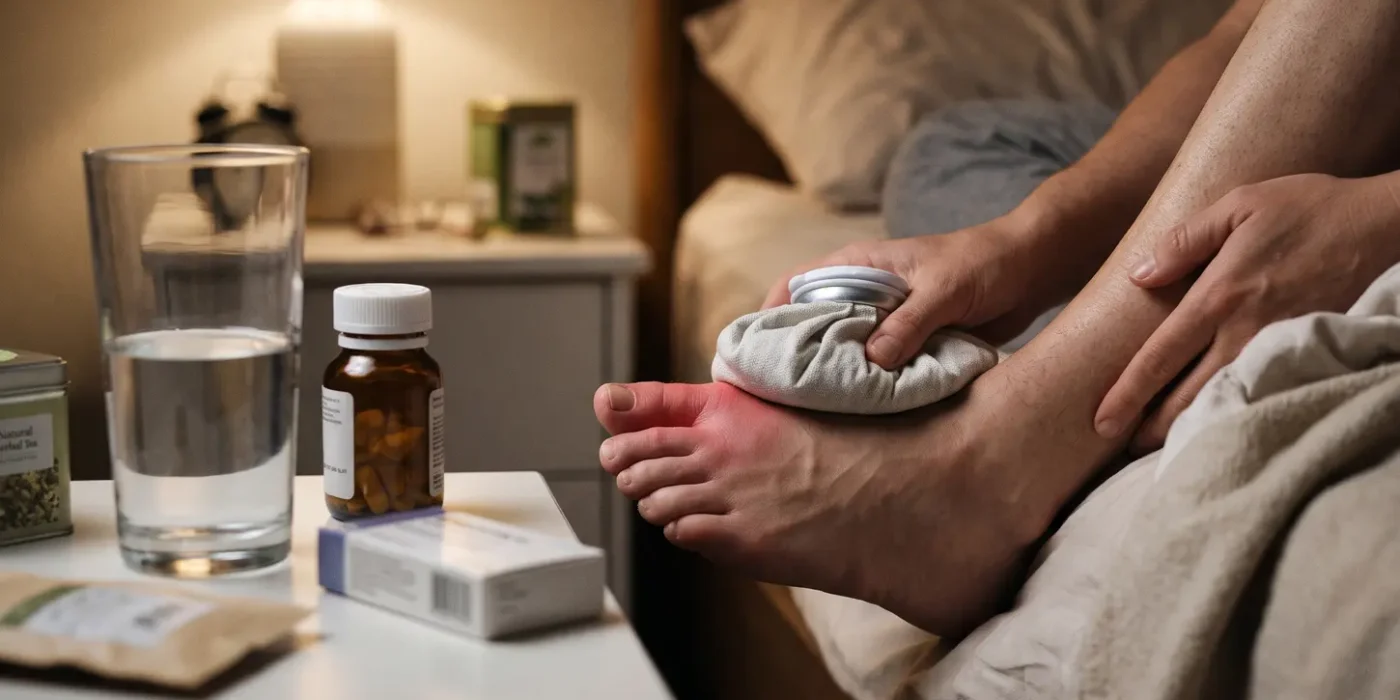
If you’ve ever been woken in the early hours by sudden, searing joint pain, the kind that makes even the weight of a bedsheet unbearable, you’ll know exactly why this question feels so urgent: how long is this going to last?
A gout attack commonly lasts around one to two weeks without treatment. Some flares settle within a few days; others persist much longer, particularly when treatment is delayed or the underlying condition is poorly managed. Starting the right treatment promptly may help control symptoms and shorten the flare, although how long gout pain lasts varies from person to person.
The duration of a gout attack depends on a range of factors: the severity of the inflammation, how quickly treatment begins, whether you’ve experienced previous attacks and your overall health status. Underlying conditions, kidney function and even which joint is affected can all play a role in gout attack recovery time.
It also helps to understand from the outset that managing gout has two distinct goals: relieving the acute flare, and addressing the underlying condition so future attacks are less likely. Dietary adjustments and traditional herbal approaches may have a supportive role within a broader management plan, but they aren’t reliable ways to stop an established attack on their own. If you’re experiencing a severe flare, medical assessment should always come first.
How Long Does a Gout Attack Usually Last?
When people ask “how long does gout pain last?”, the honest answer is that it depends on whether the flare is treated, how severe it is and how well the underlying condition is managed. Here’s what’s typical.
How Long Does Gout Last Without Treatment?
Without medical treatment, a gout attack typically lasts around one to two weeks, although this varies widely. Some people find their symptoms begin to ease after several days, while others endure considerable discomfort for a fortnight or longer.
Even without intervention, the body’s immune response eventually dampens the acute inflammation, and symptoms may gradually improve on their own. That natural easing isn’t the same as the underlying condition resolving, though. The urate crystals that triggered the attack stay deposited in the joint; they don’t simply disappear when the pain settles. In other words, symptoms fading isn’t the same as gout improving.
Leaving gout unmanaged carries real risks. Recurrent flares may become more frequent and potentially more severe over time. Prolonged, poorly controlled gout can lead to progressive joint damage, the development of tophi (deposits of urate crystals beneath the skin) and kidney-related complications. Understanding how to manage a gout attack and seeing your doctor, even if the pain eventually settles on its own, matters for your long-term joint health.
How Long Does a Gout Attack Last With Medication?
The right treatment may help reduce pain and inflammation sooner, sometimes over several days rather than a fortnight. Responses vary from person to person, though, so no one can promise a guaranteed recovery timeline.
A healthcare professional may recommend one or more of the following treatment categories depending on your circumstances:
- Non-steroidal anti-inflammatory drugs (NSAIDs): Commonly used to reduce pain and inflammation during a gout flare. Suitability depends on kidney function, gastrointestinal history, other medications and general health.
- Colchicine: An anti-inflammatory medicine often effective when commenced early in an attack. Dosing and suitability depend on kidney function and other clinical considerations.
- Corticosteroids: Another first-line option, given as a short course of tablets or, in some cases, as an injection into the affected joint. They are often chosen when NSAIDs or colchicine aren’t suitable.
The right gout flare treatment for one person may not suit another. Treatment decisions should account for your circumstances, including other medical conditions, existing medications and any contraindications, which is why working closely with a qualified healthcare professional is essential. Self-treating or relying on anecdotal advice isn’t recommended when it comes to gout symptoms and treatment. Healthdirect Australia provides accessible guidance on gout symptoms, causes and treatment if you’d like to understand the range of options available.
Can a Gout Attack Last for More Than Two Weeks?
Can a gout attack last for weeks? Yes. Prolonged symptoms can occur, particularly when gout is poorly controlled, treatment has been delayed or the management approach isn’t well suited to the person’s circumstances.
If your gout attack isn’t going away after two weeks, seek medical reassessment rather than waiting and hoping things settle. Persistent or worsening joint pain can also point to another condition. A joint infection can closely resemble gout but needs very different, urgent treatment, and other forms of arthritis warrant their own investigation.
So, how long does a gout flare last? A typical uncomplicated flare lasts around one to two weeks. Symptoms that persist beyond this, especially if they’re severe, worsening or accompanied by fever, warrant prompt medical review to confirm the diagnosis and reassess the treatment plan. Gout attack recovery time differs from person to person, but prolonged symptoms should never simply be endured or put down to gout without proper assessment.
Understanding the Gout Attack Timeline
The following gout attack timeline is a general guide rather than a fixed sequence. Every attack is different, and timelines vary with the severity of the flare, the joint affected, when treatment starts and your overall health. Try not to measure your own experience too rigidly against it.
The First 24 Hours: Sudden Pain and Inflammation
Gout is well known for its rapid onset. The attack often begins in the early hours of the morning, with pain that can escalate from mild discomfort to severe, incapacitating intensity within a matter of hours.
During the first 24 hours, common gout symptoms include:
- Intense joint tenderness, often described as agonising or burning
- Noticeable swelling around the affected joint
- Warmth and redness in the skin overlying the joint
- Restricted movement and significant difficulty bearing weight or using the joint normally
The big toe is the most commonly affected site (a presentation known as podagra), but gout can also involve the ankle, knee, midfoot, wrist, elbow and, less commonly, other joints. Symptoms typically become severe within the first day, and the joint may be so tender that even the lightest touch is intolerable.
Days Two to Three: When Gout Pain May Peak
Gout pain usually reaches its peak within the first 24 hours, and for many people it stays at or near that level through days two and three. During this phase, even routine daily activities can become extremely difficult.
Walking, standing, wearing enclosed shoes or even having bedding rest on the affected joint may be painful enough to disrupt sleep and severely limit movement. Swelling and redness may be visually prominent, and the joint may feel noticeably warm to the touch.
Severe gout symptoms during this phase shouldn’t simply be endured. Seeking medical advice and gout flare treatment as early as possible helps with comfort and can avoid unnecessarily prolonging the attack.
Days Four to Seven: Signs of Improvement
With treatment, many people notice a gradual reduction in pain, swelling and tenderness from around day four onwards. Movement may start to return, and some people find they can resume light daily activities more comfortably.
That said, improvement isn’t universal within this timeframe. If treatment was delayed, the inflammation is more severe or other health factors are involved, significant discomfort may continue throughout this period.
Gout recovery time really does differ from person to person. Comparing your experience with someone else’s, or even with a previous attack of your own, isn’t always a useful guide.
Days Seven to Fourteen: Continued Recovery
Symptoms often continue to settle across the first one to two weeks of a gout attack, though residual stiffness, tenderness and discomfort may linger even after the worst pain has passed. Peeling or flaking skin over the affected joint is occasionally noted as acute inflammation resolves.
If symptoms persist beyond two weeks, remain severe or worsen rather than improve, it’s time for reassessment. Understanding gout and its complications in greater depth can help you recognise when it’s time to return to your healthcare professional for further review.
What Factors Affect How Long a Gout Attack Lasts?
How Quickly Treatment Begins
One of the most meaningful factors influencing gout attack duration is how promptly treatment is started. Accessing suitable management early in the attack can make a real difference to both the severity of gout pain and overall recovery time.
Treating active inflammation is the immediate goal during a flare. Preventing future attacks through longer-term urate-lowering strategies is a separate objective, and the two typically require different approaches.
If you’ve been prescribed medication for an acute gout attack, follow your clinician’s instructions carefully. Do not independently adjust doses, skip doses or switch medications without medical guidance, even if you feel you aren’t improving as quickly as expected.
The Severity of the Flare
The degree of pain, swelling and inflammation involved in an attack can affect both the experience and the duration of recovery. Attacks involving particularly marked inflammation, multiple joints at once, or weight-bearing joints such as the ankle or knee may be more disruptive and take longer to settle.
For those experiencing their first suspected gout attack, the severity can come as a considerable shock. This uncertainty is another reason to seek a prompt, accurate diagnosis rather than managing through guesswork.
Previous Gout Attacks and Disease Progression
Recurring gout attacks that are inadequately managed can become more frequent over time and may potentially become more severe. In people with longstanding, poorly controlled gout, tophi can develop. These are deposits of urate crystals that accumulate in soft tissues around joints, tendons and other areas, and they can cause chronic pain, restrict movement and contribute to ongoing joint damage.
Not every person with gout will develop these complications, particularly when the condition is identified and managed appropriately from the outset. However, understanding how gout develops and affects the joints over time reinforces why recurring gout attacks should never be left unaddressed.
Kidney Function, Other Health Conditions and Medications
The kidneys play a central role in clearing urate from the body. Reduced kidney function can contribute to higher serum urate levels, increasing the risk of crystal formation and deposition. Several health factors can directly influence gout management:
| Health Factor | Relevance to Gout Management |
| Chronic kidney disease | Impairs urate clearance; restricts which medicines are safe to use |
| High blood pressure | Associated with elevated urate levels; some treatments can raise urate further |
| Diabetes | Frequently seen alongside gout; influences appropriate treatment choices |
| Obesity | Associated with higher urate levels and increased gout risk |
| Certain medications | Diuretics and some other medicines can raise urate levels as a side effect |
The relationship between kidney function and gout is worth discussing with your healthcare professional, particularly if you have chronic kidney disease, high blood pressure or diabetes, or take multiple medications. Your medical history directly shapes which treatments are safe and suitable for you.
Diet, Hydration and Lifestyle Habits
Diet is one component of gout management, but its role is easy to overestimate, particularly during an active flare. Alcohol (especially beer and spirits), high-purine foods such as organ meats and certain seafood, high-fructose drinks and dehydration can all contribute to elevated urate levels and may trigger attacks in susceptible individuals.
Being aware of the foods that may trigger gout attacks and making sustainable adjustments to your eating habits may help reduce the frequency of future flares. However, dietary changes alone can’t reliably stop an established flare, and drastic food restriction during an acute attack is no substitute for medical treatment. Crash diets, fasting and extreme food changes are best avoided, especially during a flare, as they can destabilise urate levels and potentially trigger further attacks.
How Can You Relieve Gout Pain and Swelling During an Attack?
Speak to a Healthcare Professional About Treatment
The most important step during a gout attack, particularly a first suspected attack, is obtaining an accurate diagnosis. Other conditions, including a joint infection, pseudogout, reactive arthritis and other forms of inflammatory arthritis, can cause symptoms that closely resemble gout. A clinician can use examination, blood tests (including serum urate) and, when clinically appropriate, joint fluid analysis to confirm the diagnosis.
The main medical options for how to relieve gout pain are NSAIDs, colchicine and corticosteroids, and each carries its own benefits, risks and contraindications. Treatment decisions should account for kidney and liver function, gastrointestinal history, other medical conditions and potential medication interactions. Always follow your treating clinician’s advice regarding doses and duration, and seek review if symptoms aren’t improving as expected.
Rest and Protect the Affected Joint
During the acute phase of a gout attack, avoiding activities that place unnecessary pressure on the painful joint helps prevent further aggravation and allows inflammation to settle more comfortably. Temporary rest during the peak of the flare is generally sensible.
Where practical, elevating the affected limb may help ease swelling. Your healthcare professional or physiotherapist can talk you through safe movement, including which exercises to avoid during gout flare-ups, so you can stay as active as is safe without aggravating the joint. Ease back into normal activities gradually as symptoms improve.
Apply a Cold Pack Safely
If you’re wondering how to reduce gout swelling at home, a cold pack wrapped in a cloth or thin towel is one of the simplest options, and it may help ease pain as well. Apply it to the affected area for short periods of around 10 to 15 minutes at a time, with breaks in between. Always maintain a protective layer between the cold pack and your skin to prevent skin injury, and never apply ice directly to bare skin.
Cold therapy is a practical comfort measure that can complement prescribed treatment, but it won’t clear the urate crystals driving the attack, so it’s not a substitute for medical care.
Stay Hydrated
Maintaining adequate fluid intake supports normal kidney function, which plays a role in the body’s natural clearance of urate. As a general guide, drinking enough through the day to keep your urine pale yellow is a reasonable goal, unless you’ve been given specific fluid restrictions by your healthcare professional.
Drinking extra water isn’t a reliable standalone treatment for acute gout inflammation, though. Hydration supports overall health and kidney function, but it doesn’t directly dissolve urate crystals or shorten an established flare on its own. People with heart conditions, kidney disease or fluid restrictions should always follow their clinician’s specific advice.
Avoid Alcohol and Review Potential Dietary Triggers
Alcohol, particularly beer and spirits, is a well-established gout trigger and is best avoided or minimised during a flare and beyond. Moderating high-purine foods and high-fructose drinks is also sensible as a broader management measure.
Dramatic dietary changes during an acute flare are unlikely to resolve the attack and aren’t necessary or recommended. Developing a balanced, sustainable approach to eating, informed by what you know about your own patterns, is far more effective over the long term than reactive food elimination.
Can Natural Remedies Help a Gout Attack Go Away Faster?
What Natural Approaches May Help With Gout Management?
A balanced diet, adequate hydration and sensible lifestyle changes are genuinely valuable, particularly as part of a longer-term gout management plan. These measures support overall health and may contribute to reducing the frequency or severity of future flares over time.
It helps to be clear about what these measures can and can’t do. General wellbeing strategies aren’t the same as treatments proven to control acute gout inflammation. Lifestyle changes, dietary adjustments and complementary approaches don’t reliably replace medical treatment during an active flare. Expecting these measures alone to stop a severe attack is likely to result in unnecessary suffering and delay in getting proper care.
What Does the Evidence Say About Herbal Remedies for Gout?
There has been longstanding interest in traditional herbal medicine, including traditional Asian herbal practices, as a complementary approach to joint health and conditions such as gout. Many plants used in these traditions have a long cultural history of use, and research into their properties continues to develop.
That said, it’s worth being transparent about the current state of evidence. Most research into herbal ingredients in the context of gout involves laboratory studies or small, preliminary investigations, and well-designed, large-scale human clinical trials supporting specific products remain limited. Traditional use, while culturally meaningful and worth acknowledging, isn’t equivalent to demonstrated clinical efficacy.
Evidence for one herbal ingredient also can’t automatically be extended to a multi-herb formulation. Each product has its own composition, concentration and preparation, and properties attributed to single components may not carry over to a blend in the way one might assume.
When you read about natural remedies for gout, you’ll come across a wide range of traditional practices, from Chinese herbal formulas to traditional Thai herbal approaches to gout. These are best viewed as areas of ongoing interest rather than proven treatments, and worth talking through with your healthcare team before you try anything new.
Can You Use Herbal Products Alongside Gout Medication?
Herbal preparations aren’t automatically safe to take alongside prescribed medicines. Some herbal ingredients can interact with medications, including those commonly used to manage gout, and may not suit people with certain health conditions.
Before using any herbal product alongside prescribed gout medication, speak with your GP or pharmacist. This is particularly important if you:
- Have kidney or liver problems
- Are taking multiple prescription medications
- Are considering products that contain potent botanical ingredients
- Are pregnant, breastfeeding or managing a chronic health condition
A healthcare professional can help you make an informed decision about whether a complementary product is safe and suitable within your care plan.
Why You Should Not Rely on Natural Remedies Alone During a Severe Flare
This point deserves to be stated plainly: untreated or inadequately managed gout can cause significant and progressive complications. These include recurrent attacks that become more frequent over time, progressive joint damage and kidney-related problems.
A severe gout flare may require prompt medical treatment to manage inflammation effectively. Complementary approaches, including traditional herbal products, may have a role as part of a broader, well-considered management plan, but they aren’t substitutes for medical assessment or prescribed treatment when a flare is occurring.
If you’re experiencing a severe attack, please seek medical care promptly. Once your flare is under control, you can explore complementary options in conversation with your healthcare team. We explore diet, movement and traditional approaches in more depth across our gout articles.
How to Prevent Future Gout Attacks
Once a flare has settled, attention turns to the bigger question: how to prevent gout attacks from coming back. Prevention is where long-term gains are made, and it usually combines lifestyle changes with medical review.
Understand Your Personal Gout Triggers
Gout triggers vary from person to person. Patterns involving alcohol consumption, particular meals, dehydration, physical stress, illness or medication changes may emerge over time with careful observation. Keeping a record of what precedes each flare, such as food, drinks, activity level, sleep and stress, can help you identify your own patterns.
A suspected trigger isn’t necessarily the sole cause of an attack. Gout is fundamentally driven by elevated urate levels, and a particular trigger may simply tip the balance in someone who already has a high urate burden. If you notice persistent patterns, discuss them with your healthcare professional rather than eliminating large food groups based on assumption alone.
Follow a Balanced, Gout-Friendly Eating Pattern
A varied and balanced diet supports overall health and may help manage urate levels over time. As a practical guide for gout-friendly eating:
- Prioritise: Vegetables, whole grains, low-fat dairy, legumes, adequate hydration and varied protein sources
- Moderate: Organ meats (liver, kidney, sweetbreads), certain seafood (anchovies, sardines, mussels, scallops), alcohol (particularly beer and spirits) and high-fructose drinks
- Be measured, not extreme: Not every food containing purines needs to be avoided; the overall dietary pattern matters far more than any single food
Many people with gout have questions about specific everyday foods. Whether eggs fit into a gout-friendly diet is a frequent worry, and so are nuts. In both cases the news is fairly reassuring, and understanding peanuts and gout shows why blanket avoidance is rarely necessary. A balanced, moderate approach tends to be far more sustainable than cutting foods out wholesale.
Exploring dietary approaches to gout management in more detail can help you develop a practical, enjoyable eating plan that supports your long-term health without unnecessary restriction.
Maintain Adequate Hydration and a Sustainable Weight
Dehydration and excess body weight are both relevant contributing factors to elevated urate levels and gout risk. Drinking enough fluid through the day (water is the simplest choice) and reaching or keeping a healthy weight through sustainable changes can meaningfully support gout management over time.
Rapid weight loss, very low-calorie diets and prolonged fasting aren’t recommended as gout management strategies. Sudden or dramatic changes in eating patterns can destabilise urate metabolism and may actually trigger attacks. Gradual, sustainable changes are much safer and more effective in the longer term.
Fluid and dietary requirements vary, particularly for people with kidney disease, heart conditions or other relevant health factors, so personalised guidance from a healthcare professional is valuable.
Discuss Long-Term Urate-Lowering Treatment With Your Doctor
For people with recurrent gout (typically two or more attacks a year), tophi, gout-related joint damage or other clinical indications, long-term urate-lowering medication may be recommended. These medicines work either by reducing how much urate the body produces or by helping the kidneys excrete more of it, with the goal of keeping serum urate below the target level set by your treating clinician.
The aim of preventive treatment is to gradually reduce the burden of urate crystal deposits in joints and tissues, ultimately reducing the frequency and severity of future attacks. This is a fundamentally different strategy from medicines used to control inflammation during an acute flare. The American College of Rheumatology’s overview of gout treatment options and prevention explains how the two approaches fit together.
Equally, you shouldn’t stop or alter existing urate-lowering medication simply because a flare occurs. Stopping and restarting it causes urate levels to fluctuate, and rapid shifts in urate are themselves associated with flares. Discuss any concerns with your doctor before making changes to a long-term preventive regimen. NICE’s evidence-based recommendations for managing gout offer a useful framework for understanding the current approach to preventive management.
When Should You See a Doctor About a Gout Attack?
Seek Prompt Assessment for Your First Suspected Gout Attack
If you believe you’re experiencing your first gout attack, seek medical assessment rather than self-diagnosing. Several other conditions can cause similar symptoms, including a joint infection, pseudogout, reactive arthritis and other inflammatory joint conditions, so an accurate diagnosis is essential before any treatment begins.
A clinician can examine the affected joint, arrange relevant blood tests (including serum urate levels) and, when clinically appropriate, analyse fluid from the joint to confirm the presence of urate crystals. Diagnosing gout based solely on pain in the big toe isn’t reliable and isn’t a substitute for clinical assessment. The NHS also sets out gout symptoms, treatment and when to seek medical advice if you’d like to know what to expect from a consultation.
Get Urgent Medical Attention for Fever or a Hot, Swollen Joint
A joint infection, known as septic arthritis, can present with symptoms that closely resemble gout, including pain, swelling, warmth and redness. Unlike gout, however, septic arthritis is a medical emergency requiring urgent treatment.
Seek urgent medical attention if you experience any of the following alongside a swollen, painful joint:
- Fever or chills
- Feeling seriously unwell or rapidly deteriorating
- Rapidly worsening pain or swelling
- Marked redness that’s spreading around the joint
- Symptoms in someone who is immunocompromised, elderly or already unwell from another cause
These symptoms should never be automatically attributed to gout. When in doubt, seek prompt medical care rather than waiting to see whether things improve. If you feel seriously unwell, go to your nearest emergency department or call triple zero (000).
Seek Review if the Attack Is Not Improving
If your gout symptoms aren’t improving as expected within the timeframe discussed with your healthcare professional, or are worsening despite treatment, seek reassessment rather than continuing to wait.
Increasingly frequent attacks, ongoing joint symptoms between flares or a pattern of gout that feels persistently poorly controlled are all signs that your long-term management plan may need to be reviewed. Recurrent, uncontrolled attacks may also indicate a need to reconsider preventive urate-lowering treatment. Returning to your healthcare professional is always the right response when symptoms aren’t following the expected course.
Frequently Asked Questions About Gout Attack Duration
How long does a gout attack last in the big toe?
A gout attack affecting the big toe (known as podagra) typically lasts around one to two weeks without treatment. Duration varies, and starting treatment early may help symptoms settle sooner, although responses differ and no one can guarantee a timeline.
How long does gout swelling take to go down?
Swelling may begin to reduce over several days with treatment, but it can persist for one to two weeks or longer depending on the severity of the flare and how well inflammation is controlled. Complete resolution of swelling often takes longer than the relief of the most acute pain.
Does gout go away on its own?
An acute gout flare may eventually settle without treatment as the immune response naturally dampens down. However, the underlying condition doesn’t resolve on its own. Urate crystals remain in the joint, and without long-term management, attacks are likely to recur and may become more frequent or severe over time. Leaving gout unmanaged isn’t a safe long-term approach.
Can a gout attack last for a month?
A flare lasting a month is longer than the typical course of an uncomplicated gout attack and warrants medical reassessment. Persistent symptoms of this duration should be properly investigated to confirm the diagnosis, rule out other conditions and review the treatment approach. It’s best not to assume a prolonged episode is just a stubborn flare.
Why is my gout attack not going away?
A flare that drags on may mean treatment started late, the current medicine isn’t the right fit or urate levels remain high. It may also mean the problem isn’t gout at all, as a joint infection or another type of arthritis can look very similar. If symptoms haven’t improved after a week or two, or are getting worse, see your doctor for reassessment.
How do you know when a gout attack is over?
A gout attack is generally considered to be resolving when you notice a gradual and sustained reduction in pain intensity, warmth, redness, swelling and tenderness, along with an improving ability to use and move the joint. Full resolution of all symptoms typically takes longer than the relief of the most severe pain. Keep in mind that symptoms resolving doesn’t mean urate crystals have cleared from the joint; the underlying condition remains and needs ongoing management.
Does gout come back after the pain goes away?
Often, yes. When the pain settles, urate crystals can remain in and around the joint, and if urate levels stay high, further flares are likely. Many people have another attack within a year or two of their first unless urate levels are brought under control, which is why long-term management matters even when you feel well.
What should you do during a gout flare?
See your GP for a diagnosis and treatment plan, especially if this is your first attack. In the meantime, rest and elevate the joint, use a wrapped cold pack for 10–15 minutes at a time, keep up your fluids unless you’ve been told to restrict them and avoid alcohol. If you already take urate-lowering medication, keep taking it unless your doctor advises otherwise. Seek urgent care if you develop a fever or feel unwell.
Can drinking water stop a gout attack?
Maintaining adequate hydration supports normal kidney function and the body’s natural clearance of urate. However, drinking extra water isn’t a reliable standalone treatment for acute gout inflammation and won’t stop or shorten an established flare on its own. Hydration is a sensible supportive measure, but it’s not a primary treatment for acute gout.
Can natural remedies shorten a gout attack?
Some lifestyle measures and dietary adjustments may support general gout management and contribute to reducing flare frequency over time. However, there is currently no strong clinical evidence that herbal remedies or specific foods can reliably shorten an acute gout attack. Proper medical treatment remains the most effective tool for managing active gout inflammation. Natural and complementary approaches are best considered as potential additions to medical care, not replacements for it.
Why do gout attacks keep coming back?
Recurring gout attacks happen because the underlying cause, elevated urate levels leading to crystal deposition in joints and tissues, hasn’t been adequately addressed. Each attack may mobilise existing crystal deposits, and new crystals can continue to form between flares as long as urate levels remain elevated. Managing recurrent gout effectively typically requires a long-term prevention strategy that may include urate-lowering medication, sustainable dietary adjustments, weight management and addressing any contributing health conditions.
Exploring Traditional Asian Herbs With Authentic Arthritis Asian Herbs
At Authentic Arthritis Asian Herbs, we’re passionate about sharing the traditions of Asian herbal medicine with Australians who want to take an active, informed role in their wellbeing. We know how disruptive a painful flare can be, and we’d never want anyone to put off seeing their doctor while they wait to see whether something settles on its own.
That’s why we believe traditional herbs belong alongside good medical care, not in place of it. Our range draws on ingredients that have been traditionally used in Asian herbal medicine for centuries, and we see them as one part of a well-rounded approach to everyday wellbeing, together with balanced eating, staying hydrated, keeping active within your limits and regular check-ins with your healthcare team.
If you’re curious about what traditional Asian herbs could add to your routine, we invite you to browse our range and find out more about each product. If you take prescription medicines or have kidney or liver concerns, have a quick chat with your GP or pharmacist first. We’re always happy to answer questions about our products, too.
ALWAYS READ THE LABEL AND FOLLOW THE DIRECTIONS FOR USE.