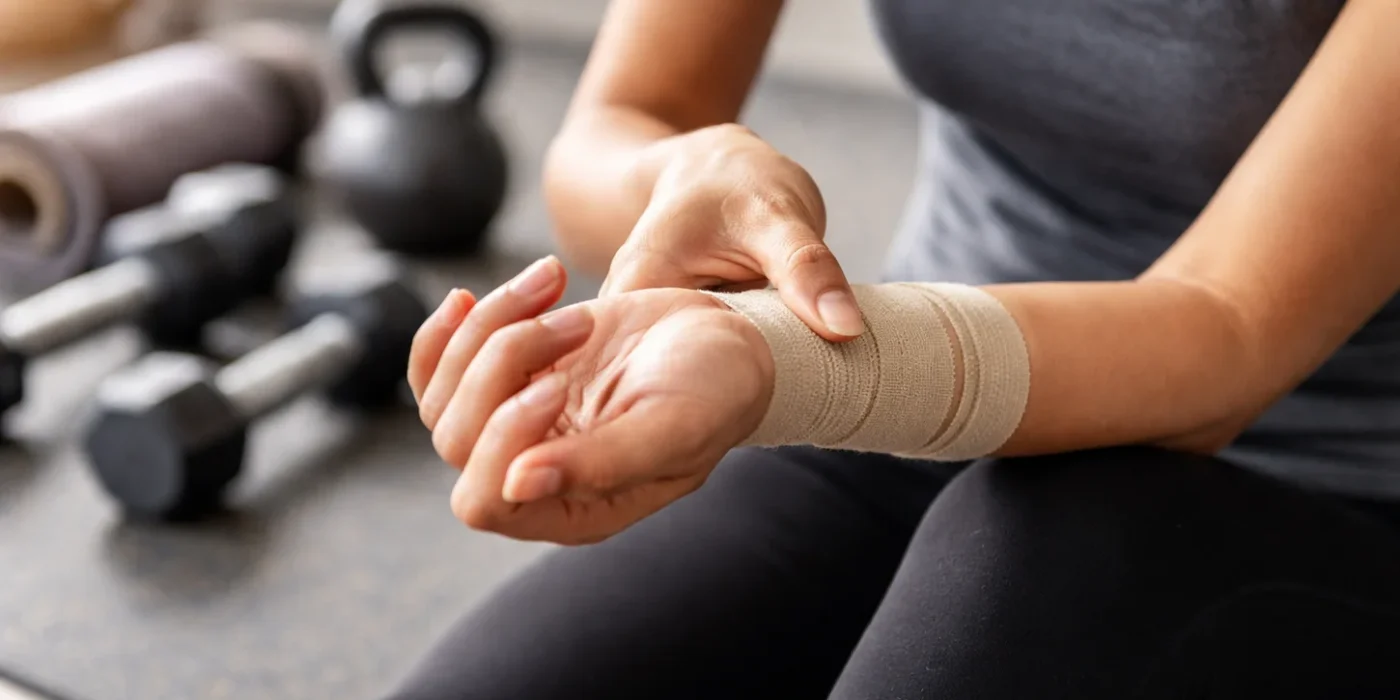
If you’re experiencing tingling, numbness, or pain in your hands and wrists, you’re not alone. Carpal tunnel syndrome affects millions of Australians each year, and while staying active is important for overall health, certain exercises can actually worsen your symptoms. Understanding which movements to avoid—and which alternatives to embrace—can make the difference between managing your condition effectively and experiencing prolonged discomfort. In this comprehensive guide, we’ll explore the exercises that may be aggravating your carpal tunnel syndrome and share safer alternatives to keep you moving without pain.
Understanding Carpal Tunnel Syndrome
Before diving into specific exercises to avoid, it’s essential to understand what’s happening inside your wrist when you have carpal tunnel syndrome.
What Is Carpal Tunnel Syndrome?
Carpal tunnel syndrome is a common condition that occurs when the median nerve becomes compressed as it passes through the carpal tunnel—a narrow passageway in your wrist made up of bones and ligaments. According to Better Health Channel Victoria, this compression leads to symptoms that can significantly impact daily activities and quality of life.
The carpal tunnel itself is only about as wide as your thumb, so there’s limited room for the median nerve and the nine tendons that also pass through this space. When swelling or inflammation occurs, this already tight space becomes even more restricted, putting pressure on the nerve.
The Role of the Median Nerve in Wrist Function
The median nerve is responsible for providing sensation to your thumb, index finger, middle finger, and half of your ring finger. It also controls the muscles at the base of your thumb, which are essential for grip strength and fine motor control. When this nerve is compressed, it can’t function properly, leading to the characteristic symptoms of carpal tunnel syndrome.
Understanding this nerve’s vital role helps explain why certain exercises—particularly those involving wrist flexion, extension, or sustained gripping—can worsen symptoms.
Common Symptoms (Pain, Tingling, Weakness)
The hallmark symptoms of carpal tunnel syndrome include:
- Tingling or numbness in the thumb, index, middle, and ring fingers
- Pain that radiates from the wrist up the forearm or down into the hand
- Weakness in the hand, making it difficult to grip objects
- Burning sensations in the fingers
- Symptoms that worsen at night or after repetitive activities
These symptoms often start gradually and may come and go initially. However, without proper management, they can become constant and severely limit hand function.
Why Exercise Choice Matters for Carpal Tunnel
When you have carpal tunnel syndrome, not all movement is created equal. While exercise is generally beneficial for overall health, certain movements can increase pressure inside the carpal tunnel, compress the median nerve further, and trigger or worsen symptoms.
Carpal tunnel occurs when pressure compresses the median nerve in the wrist, often worsened by repetitive movement or poor positioning. This means that exercises involving repetitive wrist motions, extreme wrist angles, or sustained gripping can significantly aggravate the condition. Choosing the right exercises—and avoiding problematic ones—is crucial for managing symptoms and preventing further nerve damage.
Why Certain Exercises Can Make Carpal Tunnel Worse
Not all exercises are safe when you’re dealing with carpal tunnel syndrome. Understanding the mechanisms behind symptom aggravation can help you make informed decisions about your fitness routine.
Increased Pressure Inside the Carpal Tunnel
The carpal tunnel is an enclosed space, and any activity that increases pressure within this confined area can compress the median nerve. Research from The University of Melbourne has shown that certain wrist positions can increase intracarpal pressure by up to 10 times the normal level.
Exercises that load weight onto the palms, require forceful gripping, or involve vibration can all increase this internal pressure, leading to nerve compression and worsening symptoms.
The Impact of Wrist Flexion and Extension
Your wrist’s position during exercise matters enormously. When your wrist is bent forward (flexion) or backward (extension), the carpal tunnel narrows, reducing the space available for the median nerve. According to NSW Health, maintaining a neutral wrist position—where your hand is in line with your forearm—is essential for minimizing nerve compression.
Extreme wrist positions create a “kink” in the carpal tunnel, similar to bending a garden hose. This mechanical pressure on the median nerve can trigger immediate symptoms and, over time, contribute to chronic nerve damage.
Repetitive Strain and Tendon Irritation
The nine tendons that pass through the carpal tunnel alongside the median nerve are surrounded by synovial sheaths that can become inflamed with repetitive use. This inflammation, known as tenosynovitis, takes up valuable space within the carpal tunnel and further compresses the median nerve.
Exercises can aggravate symptoms if they stretch or irritate the already compressed nerve. High-repetition exercises, even with light resistance, can cause this inflammatory response and worsen carpal tunnel symptoms.
Overuse vs. Recovery Balance
One of the biggest mistakes people make is not allowing adequate recovery time between activities that stress the wrist. The tissues in and around the carpal tunnel need time to recover from inflammation and irritation. Pushing through pain or doing too much too soon can create a cycle of chronic inflammation that makes symptoms progressively worse.
Understanding this balance is essential for managing carpal tunnel syndrome effectively while maintaining an active lifestyle.
Key Movements to Avoid with Carpal Tunnel
Certain movement patterns are particularly problematic for carpal tunnel syndrome. Recognizing these patterns can help you identify which exercises to modify or eliminate from your routine.
Repetitive Wrist Motions
Continuous bending or rotating the wrist creates repetitive stress on the median nerve and surrounding tissues. This includes:
- Typing-style repetitive movements that involve rapid, repeated wrist extension
- Repetitive flexion and extension during exercises or daily activities
- Continuous rotational movements such as stirring, screwing, or twisting motions
These movements don’t allow the tissues to recover between repetitions, leading to cumulative stress and inflammation.
Forceful Gripping and Pinching
Heavy gripping increases tendon strain within the carpal tunnel. When you grip forcefully:
- The flexor tendons thicken and swell
- Blood flow to the median nerve decreases
- Pressure inside the carpal tunnel rises dramatically
Tight holds worsen nerve compression by reducing the already limited space available for the median nerve. Even moderate grip force maintained for extended periods can trigger symptoms in people with carpal tunnel syndrome.
Extreme Wrist Positions
Both full flexion (bending forward) and full extension (bending backward) significantly narrow the carpal tunnel. Studies have shown that:
- Maximum flexion can reduce carpal tunnel space by up to 50%
- Maximum extension creates similar compression
- Even moderate angles maintained for prolonged periods can be problematic
Neutral wrist alignment is always preferable for protecting the median nerve.
Weight Bearing on the Hands
Pressure through palms increases compression within the carpal tunnel. When you place your body weight on your hands, particularly with the wrists extended (as in push-ups or planks), you create:
- Direct compression of the median nerve against the carpal ligament
- Increased intracarpal pressure from the weight load
- Sustained nerve compression throughout the exercise
This combination makes weight-bearing exercises particularly challenging for people with carpal tunnel syndrome.
High-Vibration Activities
Tools or equipment that vibrate can aggravate carpal tunnel symptoms through multiple mechanisms:
- Vibration directly irritates the median nerve
- It increases inflammation in the tendons and synovial sheaths
- Prolonged exposure can cause cumulative nerve damage
Activities like wrist bending, gripping, and repetitive strain increase pressure on the median nerve and worsen symptoms, making it essential to recognize and avoid these movement patterns in your exercise routine.
Exercises to Avoid if You Have Carpal Tunnel
Now that we understand the mechanisms behind carpal tunnel aggravation, let’s examine specific exercises that commonly worsen symptoms.
Push-Ups and Plank Variations
Push-ups and planks are among the most problematic exercises for carpal tunnel syndrome due to:
- Direct pressure on wrists from bearing your full body weight
- Extended wrist position that increases nerve compression
- Sustained compression throughout the exercise duration
This includes standard push-ups, high planks, mountain climbers, and even modified versions performed on the knees. The combination of wrist extension and weight-bearing creates a perfect storm for median nerve compression.
Wrist Curls (Flexion & Extension)
While wrist curls are often recommended for building forearm strength, they can be particularly harmful for carpal tunnel syndrome because they:
- Overload wrist flexor tendons that pass through the carpal tunnel
- Can inflame the carpal tunnel area through repetitive motion
- Place the wrist in extreme flexion or extension positions
- Create repetitive stress without adequate recovery
Both flexion curls (palm up) and extension curls (palm down) should be avoided or significantly modified if you have carpal tunnel symptoms.
Heavy Weightlifting with Poor Wrist Position
Certain weightlifting exercises become dangerous when performed with compromised wrist positioning:
Bench press with bent wrists occurs when the bar isn’t properly aligned over the forearm, forcing the wrists into extension. This not only increases carpal tunnel pressure but also raises injury risk.
Deadlifts with excessive grip strain require sustained, forceful gripping that can trigger symptoms. The combination of heavy weight and prolonged grip time significantly increases intracarpal pressure.
Other problematic lifts include overhead presses with bent wrists, barbell rows with excessive wrist flexion, and any exercise where proper wrist alignment is sacrificed for heavier weight.
Yoga Poses That Load the Wrists
Many popular yoga poses place significant stress on the wrists, including:
Downward dog requires bearing substantial body weight on extended wrists for prolonged periods. While this pose has many benefits, the wrist position is particularly challenging for carpal tunnel syndrome.
Crow pose and other arm balances concentrate your entire body weight on the wrists while requiring extreme wrist extension and strength.
Handstands and headstand variations that involve wrist support create maximal compression of the carpal tunnel under significant load.
These poses can be modified with props or alternative positioning to reduce wrist stress while still providing many of yoga’s benefits.
Exercises Requiring Prolonged Grip
Any exercise that requires sustained gripping can worsen carpal tunnel symptoms:
Pull-ups or hangs demand continuous, forceful gripping that restricts blood flow to the median nerve and increases tendon inflammation.
Kettlebell carries and farmer’s walks combine prolonged gripping with the weight of the implements, creating sustained pressure within the carpal tunnel.
Even exercises with moderate weight can become problematic when grip time extends beyond a minute or two without rest.
High-Repetition Hand or Finger Exercises
While these exercises are often recommended for hand strength, they can backfire if overdone:
Stress ball overuse creates repetitive gripping that can inflame the flexor tendons. What starts as therapeutic can become harmful with excessive repetitions.
Finger resistance bands (excessive reps) can similarly create overuse inflammation when performed too frequently or for too many repetitions.
Repetitive finger and wrist movements can inflame tendons and worsen compression in the wrist, particularly when recovery time is insufficient between sessions.
Everyday “Hidden” Exercises That Can Trigger Symptoms
Beyond formal exercise, many daily activities function as repetitive stress exercises that aggravate carpal tunnel syndrome.
Typing and Mouse Use
Extended computer work is one of the most common triggers for carpal tunnel symptoms. Poor ergonomics, repeated keystrokes, and prolonged mouse gripping create the perfect environment for median nerve compression. The wrist extension commonly seen with keyboard and mouse use compounds the problem.
Mobile Phone Scrolling
The “texting thumb” phenomenon has expanded to include carpal tunnel aggravation from excessive phone use. Holding your phone while scrolling creates sustained wrist flexion and repetitive thumb movements that can trigger symptoms, especially during extended sessions.
Gaming or Musical Instruments
Both activities involve rapid, repetitive finger and wrist movements often performed for hours at a time. Gamers using controllers or keyboards and musicians playing instruments like piano, guitar, or violin subject their hands and wrists to significant repetitive stress without adequate rest breaks.
Household Tasks (Cleaning, Cooking, Lifting)
Daily chores often involve problematic wrist positions and repetitive movements:
- Scrubbing and wiping create repetitive wrist extension
- Chopping and stirring involve sustained gripping and rotational stress
- Lifting and carrying grocery bags or laundry baskets requires prolonged forceful gripping
These seemingly minor activities accumulate throughout the day, contributing significantly to overall carpal tunnel stress.
Better Exercise Alternatives for Carpal Tunnel
The good news is that you don’t have to give up exercise entirely. There are many effective alternatives that protect your wrists while building strength and maintaining fitness.
Neutral Wrist Strength Training
Focus on exercises that keep your wrist in alignment with your forearm:
Resistance bands with straight wrist positioning allow you to build arm and shoulder strength without compromising wrist position. Anchor the band and perform rows, presses, or pulls while consciously maintaining neutral wrists.
Forearm-Based Exercises
Elbow planks instead of hand planks transfer your body weight from your wrists to your forearms, eliminating wrist extension while still providing excellent core strengthening benefits.
Similarly, forearm push-ups or wall push-ups can maintain upper body strength without loading the wrists.
Gentle Range-of-Motion Movements
Controlled wrist circles performed slowly and within a comfortable range can help maintain mobility without aggravating symptoms. These should be gentle and never pushed into pain.
Finger extensions using a rubber band around your fingers provide strengthening for the extensor muscles without the gripping stress of traditional hand exercises.
Nerve Gliding Exercises (With Caution)
Nerve gliding exercises, also called nerve flossing, are designed to help the median nerve move more freely through the carpal tunnel. However, these should be guided by a healthcare professional to avoid irritation.
When performed correctly under professional supervision, these exercises may help reduce symptoms by improving nerve mobility and reducing adhesions.
Exercise Modifications to Protect Your Wrists
When you can’t completely avoid certain exercises, strategic modifications can significantly reduce their impact on your carpal tunnel.
Keep Wrists in a Neutral Position
Keeping the wrist in a neutral position reduces pressure on the median nerve and should be your primary goal in any exercise. This means:
- Your hand should form a straight line with your forearm
- Avoid bending the wrist up, down, or to either side
- Use mirrors or video to check your form regularly
Use Wrist Supports or Braces
Wrist braces can help maintain neutral positioning during exercise by:
- Preventing extreme flexion or extension
- Providing proprioceptive feedback about wrist position
- Supporting the wrist during activities that can’t be completely avoided
Choose braces specifically designed for carpal tunnel that maintain the wrist in a neutral position without restricting all movement.
Reduce Load and Intensity
Sometimes the exercise itself isn’t the problem—it’s the amount of weight or duration. Consider:
- Using lighter weights with proper form rather than heavy weights with compensatory wrist bending
- Reducing repetitions and increasing rest periods between sets
- Shortening workout duration to allow more recovery time
Switch to Machines or Assisted Movements
Exercise machines often provide better wrist support than free weights:
- Cable machines allow you to use attachments that maintain neutral wrists
- Leg exercises can maintain cardiovascular fitness without wrist involvement
- Resistance machines with padded grips reduce grip force requirements
Take Frequent Breaks
Recovery time is essential for managing carpal tunnel symptoms:
- Rest for at least 1-2 minutes between sets that involve the hands or wrists
- Shake out your hands and perform gentle stretches during breaks
- Stop exercising if symptoms begin during your workout
Warning Signs You Should Stop Exercising Immediately
Your body will tell you when an exercise is causing problems. Learn to recognize these warning signs and respond promptly.
Increased Numbness or Tingling
If you experience new or worsening numbness or tingling during or immediately after exercise, stop the activity. This indicates the median nerve is being compressed and continuing could cause further damage.
Sharp or Radiating Pain
While some muscle soreness is normal with exercise, sharp pain or pain that radiates from your wrist into your hand or up your forearm is a red flag. This type of pain often indicates nerve irritation that shouldn’t be ignored.
Weak Grip Strength
If you suddenly can’t maintain your grip on weights, bars, or other equipment, this suggests significant nerve compression affecting the motor function of your hand. Continuing to exercise in this state risks dropping equipment and further injuring yourself.
Symptoms That Persist After Exercise
Some mild symptoms during exercise might be manageable, but if symptoms continue for more than 10-15 minutes after you stop the activity, it’s a sign that the exercise was too stressful for your current condition. Make note of which exercises trigger persistent symptoms and avoid them in the future.
Long-Term Strategies to Manage Carpal Tunnel
Managing carpal tunnel syndrome effectively requires a comprehensive approach that extends beyond just avoiding certain exercises.
Ergonomic Adjustments (Work & Daily Life)
Proper ergonomics can significantly reduce daily carpal tunnel stress:
- Keyboard and mouse positioning should keep wrists neutral
- Chair and desk height should support proper arm positioning
- Document holders can reduce awkward neck and wrist positions
- Ergonomic tools with padded grips reduce force requirements
Activity Modification and Rest Cycles
Structure your day to include regular rest periods for your hands and wrists:
- Alternate between tasks that stress the wrists and those that don’t
- Use the “20-20 rule”: for every 20 minutes of wrist-intensive activity, take a 20-second break
- Recognize early warning signs and respond with rest before symptoms worsen
Splinting and Wrist Support
Night splints are particularly effective because they prevent the wrist flexion that commonly occurs during sleep and often worsens morning symptoms. According to Arthritis Australia, consistent nighttime splinting can significantly reduce carpal tunnel symptoms for many people.
Physical Therapy Options
A physiotherapist can provide:
- Personalized exercise programs that strengthen without aggravating symptoms
- Manual therapy to reduce tissue restrictions
- Education on activity modification
- Monitoring for progression that might require medical intervention
The Role of Natural Herbal Support in Carpal Tunnel Care
While avoiding problematic exercises is crucial, supporting your body’s natural healing processes can enhance your carpal tunnel management strategy.
Why Inflammation Control Matters
Inflammation within the carpal tunnel is a key driver of symptoms. The swelling of tendons and their protective sheaths reduces the space available for the median nerve, directly contributing to compression. Managing this inflammation naturally can help reduce symptoms and improve hand function.
At Authentic Arthritis Asian Herbs, we understand that chronic inflammation requires a multi-faceted approach. While rest and activity modification address the mechanical aspects of carpal tunnel syndrome, supporting your body’s anti-inflammatory processes can enhance recovery.
Traditional Herbal Approaches to Joint and Nerve Health
Traditional Asian medicine has long recognized the connection between inflammation, circulation, and nerve health. Several herbs have been used for centuries to support these interconnected systems:
Salica chinensis has been valued in traditional medicine for its potential anti-inflammatory properties. By supporting the body’s natural response to tissue inflammation, it may help reduce the swelling that contributes to carpal tunnel compression.
Cryptolepis dubia is traditionally used to support overall wellness and may help the body manage inflammatory responses more effectively.
Eucommia bark has a long history in Traditional Chinese Medicine for strengthening tendons and ligaments. This ancient herb may support the health of the very tissues that become inflamed in carpal tunnel syndrome, potentially helping to reduce tendon swelling within the carpal tunnel.
Strychnos has been incorporated into traditional formulations for its potential effects on nerve and muscle function.
Anamirta cocculus is another traditional herb that may support the body’s natural healing processes.
These herbs work synergistically in traditional formulations, each contributing unique properties that support different aspects of tissue health and inflammation management.
Supporting Circulation and Tendon Health Naturally
Healthy circulation is essential for nerve function and tissue healing. The median nerve, like all nerves, requires adequate blood flow to function properly and recover from compression. Poor circulation can slow healing and worsen symptoms.
Traditional herbs that support circulation may help ensure that the tissues in and around the carpal tunnel receive the nutrients and oxygen needed for healing. This enhanced circulation can also help remove inflammatory byproducts that contribute to swelling and discomfort.
Combining Herbal Remedies with Lifestyle Changes
Herbal support works best as part of a comprehensive approach to carpal tunnel management. When you combine:
- Exercise modifications and proper ergonomics
- Rest and recovery strategies
- Natural herbal support for inflammation and circulation
- Professional medical guidance when needed
You create a powerful, multi-layered strategy that addresses carpal tunnel syndrome from multiple angles. This holistic approach often provides better long-term results than any single intervention alone.
Thai herbal remedies and traditional Chinese herbs have been used for generations to support joint, tendon, and nerve health. Modern users are rediscovering these time-tested approaches and finding that ancient wisdom can complement contemporary carpal tunnel management strategies.
When to Seek Professional Help
While exercise modification and natural remedies can help manage mild to moderate carpal tunnel symptoms, some situations require professional medical attention.
Persistent or Worsening Symptoms
If your symptoms don’t improve with conservative management after 2-3 months, or if they progressively worsen despite your best efforts, it’s time to consult a healthcare professional. According to Health Direct Australia, early intervention can prevent permanent nerve damage.
Loss of Hand Function
Any significant loss of hand function—such as difficulty buttoning clothes, dropping objects frequently, or inability to perform fine motor tasks—indicates that the median nerve is being seriously affected and requires immediate medical evaluation.
Considering Medical or Surgical Options
If conservative treatments aren’t providing adequate relief, your doctor may recommend:
- Corticosteroid injections to reduce inflammation
- Prescription medications for nerve pain
- Surgical decompression to relieve pressure on the median nerve
These interventions can be very effective, but they’re typically reserved for cases where conservative management hasn’t been successful.
Frequently Asked Questions (FAQ)
Can exercise make carpal tunnel worse?
Yes, certain exercises can definitely worsen carpal tunnel syndrome. Exercises that involve wrist flexion or extension, sustained gripping, weight-bearing on the hands, or repetitive wrist movements can increase pressure on the median nerve and aggravate symptoms. However, properly chosen exercises with correct form and wrist positioning can actually be beneficial for maintaining overall health while managing carpal tunnel.
Are wrist curls bad for carpal tunnel?
Wrist curls are generally problematic for carpal tunnel syndrome because they place the wrist in extreme flexion or extension positions and create repetitive stress on the flexor tendons that pass through the carpal tunnel. This combination can increase inflammation and worsen nerve compression. If you want to strengthen your forearms, choose exercises that maintain neutral wrist positioning instead.
Can I still go to the gym with carpal tunnel?
Absolutely! Having carpal tunnel syndrome doesn’t mean you need to abandon fitness entirely. You’ll need to modify your routine by avoiding exercises that stress the wrists and choosing alternatives that keep your wrists in neutral positions. Focus on lower body exercises, core work using elbow planks, and upper body exercises using machines or resistance bands that allow proper wrist alignment. Many people with carpal tunnel maintain excellent fitness levels with thoughtful exercise selection.
What exercises are safe instead?
Safe exercises for carpal tunnel include: elbow planks instead of hand planks, wall push-ups at an angle that reduces wrist stress, resistance band exercises with neutral wrist positioning, lower body exercises like squats and lunges, gentle nerve gliding exercises under professional guidance, and controlled range-of-motion movements. The key is keeping your wrists neutral and avoiding sustained gripping or weight-bearing on extended wrists.
How long should I rest my wrist?
The rest period depends on symptom severity. For mild symptoms, taking short breaks every 20-30 minutes during wrist-intensive activities is often sufficient. If you’re experiencing moderate symptoms, you may need several days to a few weeks of modified activity, avoiding aggravating exercises and daily tasks. Severe symptoms might require more extended rest combined with splinting and professional treatment. Listen to your body—if symptoms persist or worsen despite rest, consult a healthcare professional.
Supporting Your Wrist Health Through Smart Choices and Natural Care
Managing carpal tunnel syndrome successfully means understanding which exercises to avoid, recognizing problematic movement patterns in daily life, and making smart modifications that protect your wrists while keeping you active. The exercises to avoid if you have carpal tunnel—including push-ups, heavy gripping exercises, wrist curls, and wrist-loading yoga poses—share common characteristics: they increase pressure within the carpal tunnel, place the wrist in extreme positions, or create repetitive stress without adequate recovery.
But avoiding problematic exercises is only part of the equation. Supporting your body’s natural healing processes through proper ergonomics, rest cycles, and natural anti-inflammatory support can significantly enhance your results. The traditional herbs used in Asian medicine—including Eucommia bark, Salica chinensis, and others—offer time-tested support for inflammation control, circulation, and tissue health that complement modern carpal tunnel management strategies.
At Authentic Arthritis Asian Herbs, we’re passionate about bringing these traditional remedies to Australians dealing with joint, tendon, and nerve health challenges. Our Authentic Arthritis Asian Herbs formula combines multiple beneficial herbs in carefully balanced proportions, drawing on centuries of traditional knowledge to support your body’s natural healing capabilities.
Whether you’re an athlete modifying your training routine, a office worker dealing with computer-related symptoms, or anyone struggling with the daily challenges of carpal tunnel syndrome, taking a comprehensive approach gives you the best chance for long-term relief. Combine smart exercise choices with ergonomic improvements, adequate rest, and natural herbal support to address your symptoms from multiple angles.
Ready to support your wrist health naturally? Explore our range of traditional Asian herbal products specifically formulated to help manage inflammation and support joint and tendon health. Experience the time-tested benefits of herbs like Eucommia bark, Dracaena conferta, and Dems scanden that have been helping people find relief for generations. Your journey to better wrist health starts with informed choices—and we’re here to support every step of the way.


1 reply on “Exercises to Avoid if You Have Carpal Tunnel”
[…] grip is unreliable or your fingers are the sore part — familiar territory for anyone also managing carpal tunnel — squeezing a tube and rubbing with the other hand is genuinely difficult. A roll-on removes that […]