Living with osteoarthritis means navigating a daily reality of aching joints, stiff mornings, and movements that used to feel effortless now feeling like a negotiation. Osteoarthritis (OA) is one of the most common forms of arthritis worldwide, affecting joints such as the knees, hips, hands, and spine. Over time, OA causes cartilage breakdown — the protective cushioning between bones gradually wears away, leaving joints inflamed, stiff, and increasingly painful. Reduced mobility often follows, and for many people, chronic pain becomes a defining feature of everyday life.
It’s no surprise that more people are turning toward natural and complementary approaches to manage their symptoms. Acupuncture for osteoarthritis has grown significantly in interest, alongside a broader move toward traditional Asian medicine and other natural osteoarthritis treatment options. Chinese medicine for joint pain has been practised for thousands of years, and today that ancient wisdom is being revisited with fresh curiosity — and in many cases, genuine results.
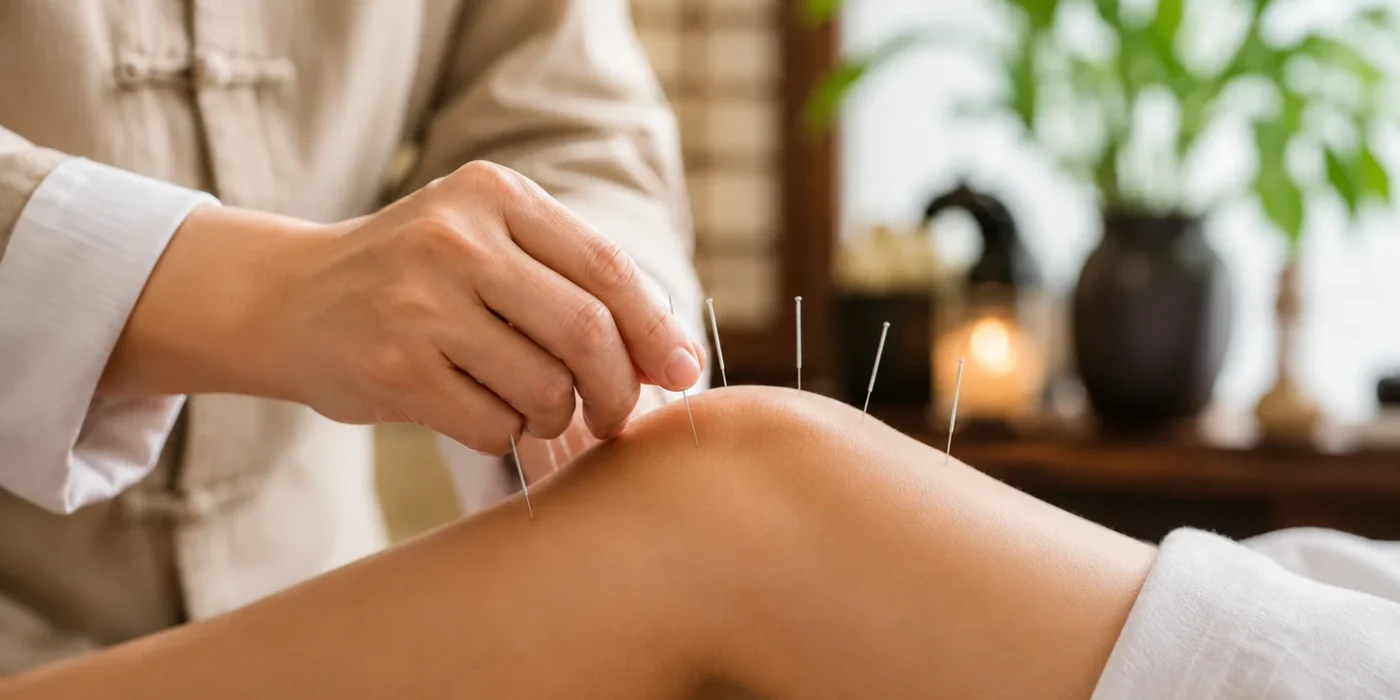
Acupuncture is a cornerstone practice of Traditional Chinese Medicine (TCM). It involves the precise insertion of very fine needles into specific points on the body to support pain management, encourage balance, and stimulate the body’s own healing responses. It’s important to be clear from the outset: acupuncture may help manage OA symptoms — including pain, stiffness, and reduced mobility — but it does not reverse cartilage damage or cure osteoarthritis. What it may offer is meaningful relief and a better quality of life, which for many people is exactly what they need.
What Is Acupuncture?
Understanding the Origins of Acupuncture in Traditional Chinese Medicine
Acupuncture is not a recent wellness trend — it’s a practice rooted in ancient Chinese medicine with a documented history spanning more than 2,000 years. It forms a foundational pillar of Traditional Chinese Medicine, a comprehensive system of health that views the body as an interconnected whole rather than a collection of isolated parts.
At the heart of TCM is the concept of Qi (pronounced “chee”) — the vital life energy that flows through the body along pathways called meridians. In TCM philosophy, health is understood as the balanced, unobstructed flow of Qi throughout these meridians. When blockages or imbalances occur — whether due to injury, illness, emotional stress, or environmental factors — pain and dysfunction can follow.
Acupuncture aims to address these imbalances by stimulating specific acupuncture points along the meridians. The insertion of fine needles at these points is believed to encourage the restoration of balanced Qi flow, prompting the body’s natural healing responses. From a modern biomedical perspective, researchers have proposed that needle stimulation may activate nerve pathways, influence inflammation signalling, and trigger the release of natural pain-relieving compounds — a bridge between ancient theory and contemporary understanding.
How Is Acupuncture Performed?
For anyone new to acupuncture, knowing what to expect can ease any apprehension. The process is structured, individualised, and generally more comfortable than people anticipate.
1. Consultation and Assessment
Every acupuncture session begins with a thorough consultation. A qualified practitioner will assess your symptoms, pain location, and lifestyle factors, as well as your overall health patterns according to TCM principles. They may examine your tongue, check your pulse at the wrist, and ask detailed questions about sleep, digestion, mood, and energy — all of which inform their TCM-based diagnosis and treatment plan.
2. Needle Placement
Acupuncture needles are extremely thin — far finer than the needles used for injections — and sterile, single-use. They are placed into specific acupuncture points, often at or near the area of pain but also at distal points along relevant meridians. For osteoarthritis-related discomfort, common areas targeted include points around the knee, hip, hands, and lower back, as well as systemic pain management points used throughout the body.
3. Treatment Duration
Sessions typically last between 20 to 60 minutes, during which the needles remain in place while you rest. Most practitioners recommend a course of treatment — often several sessions over a number of weeks — rather than a single visit. The individual response to acupuncture can vary, and some people notice gradual improvements over successive sessions rather than immediate change.
How Can Acupuncture Help Osteoarthritis?
Supporting Pain Relief and Joint Comfort
One of the primary reasons people explore acupuncture for arthritis pain is its potential to reduce discomfort. Research suggests acupuncture may provide modest improvements in pain and function for some people with osteoarthritis, though results vary between individuals.
The proposed mechanisms behind this include:
- Nerve stimulation — Needle insertion may activate sensory nerves involved in pain signalling, altering how pain messages travel to the brain.
- Endorphin release — Acupuncture may trigger the release of natural pain-relieving chemicals, including endorphins and serotonin, supporting the body’s own comfort-regulating systems.
- Muscle relaxation — Surrounding muscles and soft tissues may relax in response to needling, reducing tension that can contribute to joint discomfort.
- Improved comfort and mobility — Many individuals report feeling more at ease moving affected joints after a course of acupuncture, even when structural changes remain unchanged.
These mechanisms don’t reverse cartilage loss, but they may meaningfully shift the pain experience for those living with OA day to day.
Supporting Reduced Joint Stiffness and Improved Mobility
Stiffness is one of the most limiting features of osteoarthritis. It can make simple daily activities feel unexpectedly difficult:
- Walking without limping
- Climbing or descending stairs
- Gripping a jar or a pen
- Getting up from a chair
- Exercising or staying active
Acupuncture may help some individuals feel more comfortable moving their affected joints, particularly following a course of treatment. Improved movement, when combined with appropriate exercise and joint-supporting habits, can play a meaningful role in maintaining overall joint health and slowing functional decline.
Supporting Overall Wellbeing
Chronic pain doesn’t live in the joints alone — it ripples outward into nearly every corner of life. People living with osteoarthritis commonly experience:
- Disrupted sleep — Pain at night is a major cause of fatigue and mood disturbance.
- Mood changes — Persistent discomfort is closely linked to increased rates of anxiety and depression.
- Elevated stress — Managing a chronic condition takes a continuous emotional toll.
- Reduced quality of life — Limitations on what you can do and enjoy affect overall wellbeing.
Acupuncture sessions may promote deep relaxation, reduce stress response, and improve sleep quality alongside their role in pain management. Many people find that even if their joint changes haven’t shifted, they simply feel better — more balanced, more rested, and more resilient — after a course of acupuncture treatment.
What Does Research Say About Acupuncture for Osteoarthritis?
Evidence Supporting Acupuncture for Osteoarthritis Symptoms
The research base for acupuncture for osteoarthritis has grown considerably in recent decades. Clinical studies — particularly those examining knee osteoarthritis — have shown promising results across several key outcomes:
- Pain levels — Multiple trials have found reductions in self-reported pain scores compared with no treatment.
- Physical function — Improvements in walking ability, stair climbing, and range of motion have been documented.
- Quality of life — Some studies report broader wellbeing benefits extending beyond pain reduction alone.
Systematic reviews and meta-analyses — including assessments by major pain research bodies — have generally concluded that acupuncture provides meaningful benefits over no treatment for OA pain. This makes it a credible option for those seeking a natural osteoarthritis treatment approach.
Limitations of Current Research
It’s worth being honest about what the evidence doesn’t yet tell us. Limitations in existing research include:
| Research Challenge | What It Means |
| Variation in acupuncture techniques | Studies use different needling styles, making direct comparison difficult |
| Inconsistent treatment frequency | Some protocols use 6 sessions; others use 20+ |
| Sham acupuncture comparisons | Benefits compared with sham (placebo) acupuncture are smaller than vs. no treatment, keeping the debate active |
| Measuring a traditional practice | TCM-based individual treatment doesn’t fit neatly into standardised clinical trial designs |
| Need for more high-quality RCTs | More rigorous, large-scale research is ongoing |
These limitations don’t invalidate the evidence for acupuncture — they simply mean the picture is still being filled in. Many practitioners and patients continue to find real value in acupuncture even as the research evolves.
Acupuncture for Different Types of Osteoarthritis
Acupuncture for Knee Osteoarthritis
Knee OA is the most commonly studied form in acupuncture research, and arguably where the evidence base is strongest. The knee is a major weight-bearing joint, and when OA takes hold, the impact on daily life can be significant.
Potential benefits of acupuncture for knee osteoarthritis may include:
- Reduced pain and discomfort around the knee joint
- Improved walking ability and confidence on uneven ground
- Better movement range during daily activities
- Reduced reliance on pain-relieving medications for some individuals
Acupuncture for Hip Osteoarthritis
Hip OA can be particularly challenging to manage because of the joint’s depth and complexity. Common symptoms include:
- Deep, aching pain in the groin, outer hip, or buttock
- Reduced range of motion when rotating the leg
- Difficulty bending to put on shoes or getting in and out of a car
Acupuncture may be used as part of a broader management approach for hip OA, supporting symptom relief and mobility alongside physiotherapy, exercise, and other interventions. Some acupuncturists target distal points — away from the hip — alongside local points to influence pain pathways more broadly.
Acupuncture for Hand and Finger Osteoarthritis
Hand and finger OA can be surprisingly limiting, affecting tasks that involve fine motor control. Common symptoms include:
- Aching, swollen fingers — particularly at the knuckles and at the base of the thumb
- Morning stiffness that loosens gradually through the day
- Reduced grip strength
- Discomfort during repetitive tasks such as typing, cooking, or sewing
Acupuncture may offer symptom support for hand OA, with needles placed at points on the hand, wrist, and arm. The gentle nature of the treatment makes it particularly accessible for individuals who want to avoid heavier pharmaceutical approaches.
Traditional Chinese Medicine Perspective on Osteoarthritis
How TCM Views Joint Pain and Arthritis
Traditional Chinese Medicine doesn’t diagnose osteoarthritis in the same terms as Western medicine. Instead, TCM practitioners look at the pattern of symptoms — where the pain is, what makes it better or worse, how it feels, and what other symptoms accompany it — to identify underlying imbalances.
In TCM, joint pain is often associated with disruptions to:
- Qi circulation — When Qi is blocked, pain follows in the area of obstruction.
- Blood flow — Insufficient or stagnant blood in the joints can cause aching and reduced nourishment to tissue.
- Internal balance — Deficiencies in organ systems — particularly the kidneys and liver, which govern bones and tendons in TCM — may contribute to joint weakness and pain.
- Environmental factors — TCM recognises that external factors like cold, damp, and wind can penetrate the body and settle in joints, worsening discomfort.
Cold and Dampness Patterns
In TCM theory, one of the most common patterns associated with joint pain involves Cold and Dampness. This pattern is traditionally characterised by:
- Heavy, stiff joints that feel worse in cold or wet weather
- A dull, aching quality to the pain
- Swelling or a sense of heaviness in affected areas
- Discomfort that eases with warmth
For people whose OA feels significantly worse in winter or rainy conditions, this pattern may resonate strongly. Acupuncture for this pattern often focuses on warming and moving Qi to dispel the Cold and Damp obstruction.
Qi and Blood Stagnation
Another common TCM pattern involves Qi and Blood Stagnation — where the smooth circulation of energy and blood in the joints becomes blocked. This is traditionally associated with:
- Fixed, localised pain that doesn’t move around
- Sharp or stabbing discomfort
- Tenderness when pressure is applied to the joint
- Reduced movement due to pain rather than stiffness
Acupuncture for this pattern aims to move Qi and blood through the affected area, restoring circulation and reducing the experience of pain.
Acupuncture Points Commonly Used for Osteoarthritis
Understanding which acupuncture points are traditionally used for OA can help demystify the practice. It’s important to note that acupuncturists always select points based on individual symptoms and a full TCM assessment — there is no one-size-fits-all point prescription.
Knee Osteoarthritis Acupuncture Points
Points frequently used in traditional and clinical acupuncture for knee OA include:
| Point | Traditional Name | Traditional Use |
| ST35 | Dubi (Calf’s Nose) | Knee pain and swelling |
| EX-LE5 | Xiyan (Eyes of the Knee) | Local knee discomfort and mobility |
| GB34 | Yanglingquan | Sinew and tendon health; hip and knee conditions |
| SP9 | Yinlingquan | Damp-related joint conditions; knee pain |
These points are typically used in combination, alongside distal points selected based on the individual’s TCM pattern.
General Pain Management Points
Beyond local points, acupuncturists often incorporate systemic points traditionally known for their influence on pain and circulation:
| Point | Traditional Name | Traditional Use |
| LI4 | Hegu | General pain relief; a primary analgesic point in TCM |
| ST36 | Zusanli | Strengthening and tonifying; supports immune function and vitality |
| SP6 | Sanyinjiao | Nourishes blood and Yin; supports the liver, spleen, and kidney meridians |
LI4, located on the hand, is one of the most commonly used points in acupuncture practice for managing pain anywhere in the body. SP6, at the inner calf, is valued for its wide-ranging effects on circulation and internal balance.
Acupuncture Compared With Other Osteoarthritis Treatments
Acupuncture is most effective when understood as part of a broader management picture — not as a standalone cure, but as a complementary approach that can work alongside other strategies.
| Treatment Approach | Main Purpose |
| Acupuncture | Support pain management and mobility |
| Exercise therapy | Strengthen surrounding muscles; maintain joint function |
| Weight management | Reduce load on weight-bearing joints like hips and knees |
| Herbal medicine | Traditional support for inflammation, discomfort, and joint health |
| Physiotherapy | Improve mechanics, posture, and movement patterns |
| Medication | Symptom relief under medical guidance |
| Heat and cold therapy | Short-term symptom management |
Osteoarthritis management consistently works best with a multi-pronged approach. Acupuncture may complement lifestyle changes, physical therapies, and traditional herbal remedies — addressing pain and wellbeing from multiple angles simultaneously. Many people find that combining acupuncture with natural remedies for rheumatoid arthritis and osteoarthritis produces a more rounded and sustained level of relief than relying on any single therapy alone.
Can Acupuncture Be Combined With Asian Herbal Medicine?
Combining Acupuncture With Traditional Herbal Approaches
In Traditional Chinese Medicine, acupuncture was never intended to work in isolation. TCM is a holistic system, and its most effective applications have traditionally involved combining multiple modalities — including acupuncture, herbal medicine, dietary adjustments, and movement practices — to address the full picture of a person’s health.
This is where the philosophy behind Authentic Arthritis Asian Herbs aligns so naturally with acupuncture. The same principles that guide a TCM practitioner in selecting acupuncture points — understanding patterns, supporting circulation, reducing stagnation, nourishing joints — also inform the traditional use of Asian herbs for arthritis.
Pairing acupuncture with herbal support may offer complementary benefits across several areas:
- Joint comfort — Herbs that traditionally support reduced inflammation may reinforce the pain-relieving effects of acupuncture.
- Circulation — Both acupuncture and certain traditional herbs aim to move Qi and blood, supporting better nourishment to joint tissue.
- Mobility — Herbs associated with tendon and bone health may complement acupuncture’s role in supporting movement.
- Overall balance — TCM at its best addresses the whole person, and combining approaches supports that holistic intent.
Some of the herbs used in traditional Asian medicine for joint health include:
- Eucommia Bark — A time-honoured TCM herb traditionally used to support bone strength, tendon health, and kidney Qi — often a priority in patterns involving chronic joint degeneration.
- Strychnos — A potent traditional herb traditionally associated with nerve-related discomfort and deep joint pain.
- Cryptolepis Dubia — Used in traditional practice for its associations with inflammation and immune support.
- Dems Scanden — Traditionally valued for joint relief and mental clarity, making it particularly relevant where pain fatigue is a factor.
- Dracaena Conferta — A lesser-known herbal ally with a traditional role in arthritis support.
These herbs are not claimed to treat or cure osteoarthritis, and individual results vary. They are used in accordance with traditional use frameworks and the long history of Asian herbal practice. You can also explore how traditional Asian remedies are changing the way people manage arthritis for a broader perspective on where these approaches fit in modern arthritis care.
Is Acupuncture Safe for People With Osteoarthritis?
For most people, acupuncture is considered a low-risk complementary therapy when performed by a trained and registered practitioner. That said, it’s always worth understanding what’s involved.
Possible Side Effects
Side effects from acupuncture are generally mild and temporary. Among the commonly reported minor effects:
- Temporary soreness at needle sites — particularly if the point is in a sensitive area
- Minor bruising around insertion sites
- Slight bleeding at the needle site — very minimal, usually resolving quickly
- Brief tiredness or light-headedness after a session, particularly the first
Serious adverse events are rare when acupuncture is performed by qualified practitioners using sterile, single-use needles.
Who Should Speak With a Healthcare Professional First?
While acupuncture is broadly accessible, certain individuals should consult their doctor or specialist before starting treatment:
- People taking blood-thinning medication (e.g. warfarin) — due to increased bruising or bleeding risk
- People with bleeding disorders — who may be more susceptible to needle-related effects
- Those with pacemakers — if electro-acupuncture is being considered
- Individuals with certain skin conditions at or near proposed needle sites
- Anyone with a complex medical history who is unsure whether acupuncture is appropriate for their situation
If in doubt, speak with your GP first. In most cases, acupuncture can be integrated safely into an existing management plan — it simply takes a little coordination.
What to Expect During Your First Acupuncture Session
Before Treatment
Your first session will typically begin with a thorough health history discussion. Expect to talk about:
- The nature, location, and history of your joint pain
- What makes symptoms better or worse
- Your sleep, digestion, energy levels, and stress
- Medications and other treatments you are currently using
- Your overall health goals
This information guides a personalised treatment plan rather than a generic approach.
During Treatment
Once needles are inserted — which many people describe as a brief, mild sensation rather than pain — you will rest quietly for the duration of the session. Some people feel a mild aching or tingling sensation around the needle point, which is known in TCM as “De Qi” and is considered a positive sign. Most people find acupuncture deeply relaxing, with many falling asleep on the table.
The practitioner will check on you during the session and may make adjustments to needle placement or depth based on your response.
After Treatment
After your session:
- Rest if possible — Some individuals feel temporarily tired after acupuncture, particularly in the first few sessions.
- Drink water — Staying hydrated supports the body’s adjustment post-treatment.
- Track your symptoms — Note any changes in pain, stiffness, sleep, or mood in the days following each session.
- Be patient — Gradual improvement over multiple sessions is more common than dramatic single-session change.
Acupuncture for osteoarthritis is typically most effective as a course of treatment rather than a one-off visit. Your practitioner will review your progress and adjust the plan as needed.
Frequently Asked Questions About Acupuncture for Osteoarthritis
Does acupuncture cure osteoarthritis?
No. Osteoarthritis involves structural changes in the joint — including cartilage breakdown and bone changes — that acupuncture cannot reverse. What acupuncture may help with is managing symptoms such as pain, stiffness, and reduced mobility, potentially making daily life more comfortable and functional.
How many acupuncture sessions are needed for osteoarthritis?
This depends on the severity of symptoms, the joints affected, and how an individual responds to treatment. Most practitioners recommend a course of treatment — typically 6 to 12 sessions — rather than a single visit, with progress reviewed at regular intervals.
Does acupuncture help knee osteoarthritis specifically?
Some research suggests that acupuncture may provide modest improvements in knee OA pain and physical function. Knee osteoarthritis is the most studied form of OA in acupuncture research, and outcomes — while variable — have been encouraging in multiple clinical trials and systematic reviews.
Is acupuncture better than medication for arthritis pain?
Acupuncture and medication serve different purposes and suit different individuals. Medication may offer more immediate, predictable relief for severe pain, while acupuncture may suit those looking for a complementary, lower-risk approach — or those who want to reduce their reliance on pharmaceutical options. The best approach depends on individual circumstances and should ideally involve discussion with both your GP and a qualified acupuncturist.
Can acupuncture rebuild cartilage?
No. There is no current evidence that acupuncture can regenerate damaged cartilage. Its role in osteoarthritis management is symptom support — pain relief, reduced stiffness, improved comfort and mobility — rather than structural repair.
Can I combine acupuncture with herbal remedies?
Yes, and in Traditional Chinese Medicine, combining these approaches is the norm rather than the exception. Herbs like Eucommia Bark and Salacia Chinensis have long been used alongside acupuncture in TCM practice to support joint health, circulation, and overall balance. Always inform your practitioner of all remedies you are taking.
What if acupuncture doesn’t work for me?
Not everyone responds to acupuncture in the same way, and that’s okay. It may be worth trying a full course before drawing conclusions, as results often develop gradually. If acupuncture isn’t providing the benefit you hoped for, exploring complementary options — including herbal support, physiotherapy, and Anamirta Cocculus for deeper nerve-related discomfort — may offer another avenue worth considering.
Natural Joint Relief Starts Here — Explore Authentic Arthritis Asian Herbs
Living with osteoarthritis doesn’t have to mean resigning yourself to a life dictated by pain. Acupuncture for osteoarthritis is a meaningful complementary tool — one that has supported people for millennia and continues to earn its place in modern arthritis management. When combined with the right herbal support, movement, and lifestyle habits, it can form part of a genuinely effective natural approach to living better with OA.
At Authentic Arthritis Asian Herbs, we’re passionate about sharing the natural power of traditional Asian herbal remedies for people living with chronic joint pain. Our carefully formulated herbal products draw on the same principles that have guided TCM practitioners for generations — supporting joint comfort, circulation, and overall wellbeing from the inside out.
If you’re ready to take a natural step toward better joint health, explore our range today. Whether you’re just beginning your arthritis management journey or looking to complement your existing approach with proven traditional herbs, we’re here to help.
Shop Authentic Arthritis Asian Herbs — and give your joints the natural support they deserve.