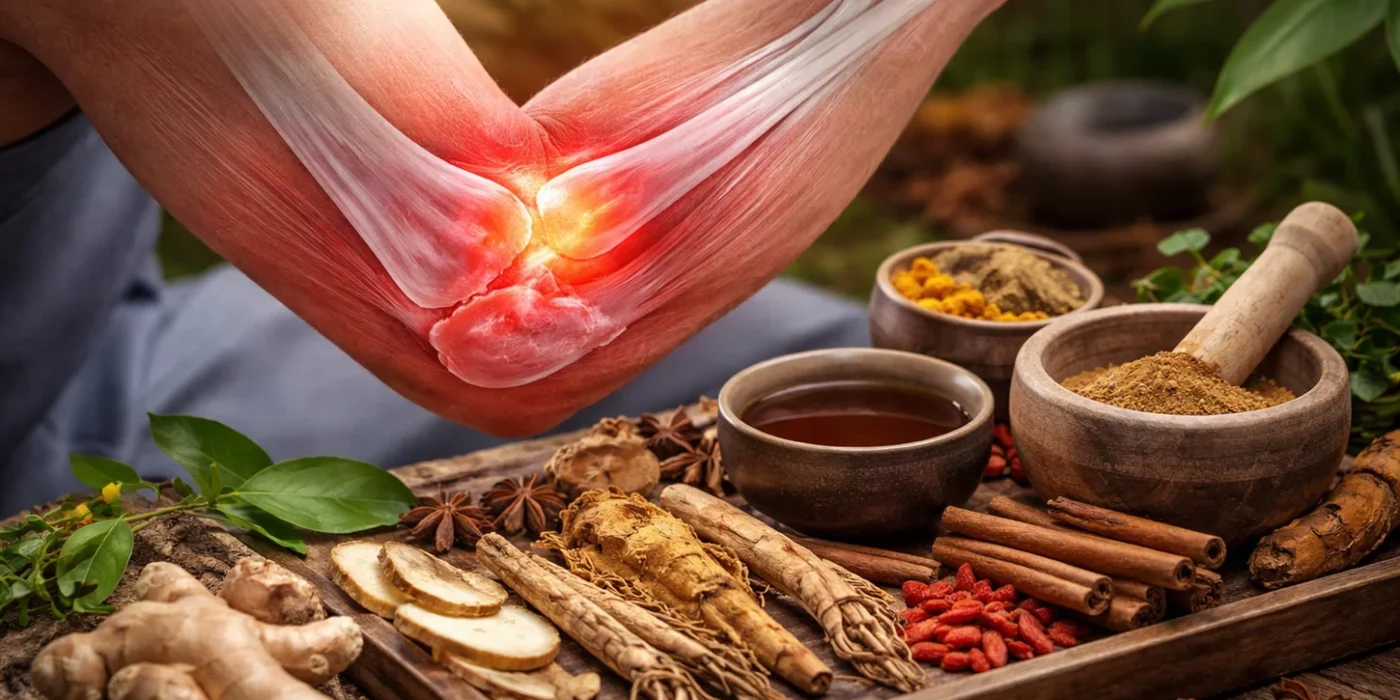
If you’re experiencing persistent pain in your joints or tendons, you may be searching for natural remedies for tendinitis that offer genuine, lasting relief. Tendinitis is one of the most common musculoskeletal conditions affecting millions of people worldwide, yet many don’t fully understand what it is, what causes it, or how to manage it effectively. Whether you’re dealing with Achilles tendinitis from running, tennis elbow from repetitive work movements, or shoulder pain from overuse, understanding this condition is the first step toward recovery and improved quality of life.
What Is Tendinitis?
Tendinitis is a condition that affects the tendons in your body, causing pain, inflammation, and reduced mobility. Let’s explore what this condition truly means and how it impacts your daily life.
Definition of Tendinitis
Tendinitis is the inflammation or irritation of a tendon—the thick, fibrous cord that attaches muscle to bone. When tendons become inflamed, they can cause significant discomfort and limit your ability to move freely. This condition typically develops gradually through repetitive strain, though it can also occur suddenly from acute injury. The inflammation disrupts the tendon’s normal function, leading to pain that ranges from mild discomfort to severe, debilitating aches that interfere with daily activities.
Tendinitis vs Tendonitis – Is There a Difference?
You may have seen both spellings—tendinitis and tendonitis—and wondered which is correct. The truth is, both terms refer to the same condition. “Tendinitis” uses the Latin root, while “tendonitis” uses the Greek root, but medical professionals use them interchangeably. What matters most isn’t the spelling, but understanding the condition itself and finding effective ways to manage the pain and inflammation that come with it.
How Tendons Work in the Body
Tendons are remarkable structures that play a crucial role in every movement you make. These strong, flexible bands of connective tissue transfer the force generated by your muscles to your bones, allowing you to walk, lift, reach, and perform countless daily tasks.
Key facts about tendons:
- They connect muscles to bones throughout your body
- Healthy tendons are resilient and can withstand significant stress
- They have limited blood supply compared to muscles
- Slower healing times due to reduced blood flow
- Essential for all body movements and joint stability
Understanding how tendons function helps explain why tendinitis can be so persistent and why proper care and treatment are essential for recovery.
What Causes Tendinitis?
Tendinitis doesn’t happen by chance—specific factors contribute to tendon inflammation and irritation. Identifying what’s causing your tendinitis is essential for effective treatment and prevention.
Repetitive Movements and Overuse
The most common cause of tendinitis is repetitive motion that places continuous stress on a particular tendon. Over time, these repetitive actions create microscopic tears in the tendon tissue, triggering inflammation and pain.
Common activities that lead to overuse tendinitis:
- Typing and computer work for extended periods
- Playing sports with repetitive movements (tennis, golf, swimming)
- Manual labour requiring repeated motions
- Excessive smartphone use
- Assembly line work or similar repetitive tasks
The tendon doesn’t get adequate time to repair itself between activities, leading to chronic irritation.
Age-Related Tendon Degeneration
As we age, our tendons naturally become less flexible and more prone to injury. The collagen fibers that give tendons their strength begin to break down, reducing their ability to withstand stress. People over 40 are particularly susceptible to tendinitis because their tendons have experienced decades of wear and tear. This age-related degeneration, sometimes called tendinosis, means that even activities that once caused no problems can now trigger inflammation and pain.
Poor Posture and Biomechanics
How you move matters tremendously when it comes to tendon health. Poor posture, incorrect technique during exercise, or improper body mechanics at work can place abnormal stress on your tendons.
Examples of biomechanical issues:
- Hunching over a computer straining shoulder and wrist tendons
- Poor running form stressing the Achilles tendon
- Incorrect lifting technique affecting elbow and shoulder tendons
- Uneven weight distribution during walking or standing
- Improper sports technique placing excessive load on specific tendons
These biomechanical issues create uneven forces that certain tendons simply weren’t designed to handle long-term.
Sudden Injury or Strain
While tendinitis often develops gradually, it can also result from a single traumatic event. Lifting something too heavy, making an awkward movement, or experiencing a fall can cause immediate tendon damage and inflammation. This acute tendinitis may feel different from the chronic type, often presenting with sudden, sharp pain rather than the gradual ache associated with overuse injuries.
Underlying Health Conditions
Certain medical conditions increase your risk of developing tendinitis:
- Rheumatoid arthritis affecting connective tissue health
- Diabetes impacting tissue healing and circulation
- Thyroid disorders affecting metabolism and tissue health
- Gout causing crystal deposits in joints and tendons
- Certain medications, particularly fluoroquinolone antibiotics
If you’re managing chronic health conditions, being aware of this connection can help you take proactive steps to protect your tendon health.
Common Types of Tendinitis
Tendinitis can affect tendons throughout your body, but certain areas are more commonly impacted. Each type presents with unique symptoms and challenges.
Achilles Tendinitis
Achilles tendinitis affects the large tendon at the back of your ankle that connects your calf muscles to your heel bone.
Common symptoms include:
- Pain and stiffness along the Achilles tendon
- Discomfort particularly noticeable in the morning
- Pain worsening with activity
- Swelling and thickening of the tendon
- Tenderness when touching the area
This condition is particularly common among runners, dancers, and people who suddenly increase their physical activity level.
Rotator Cuff Tendinitis
Your shoulder’s rotator cuff consists of four tendons that stabilize the shoulder joint and enable arm movement. Rotator cuff tendinitis causes pain in the shoulder and upper arm, particularly when reaching overhead, behind your back, or lifting objects. This type is common among painters, swimmers, and anyone whose work or activities require repetitive overhead arm movements. Without proper treatment, rotator cuff tendinitis can progress to more serious tears.
Tennis Elbow (Lateral Epicondylitis)
Despite its name, tennis elbow doesn’t just affect tennis players. This condition involves inflammation of the tendons on the outside of your elbow, causing pain that radiates down your forearm.
Activities that commonly trigger tennis elbow:
- Using a screwdriver or similar tools repeatedly
- Extended typing or mouse use
- Playing racquet sports
- Painting or decorating
- Gardening and pruning
The pain typically worsens when you try to grip objects or extend your wrist.
Golfer’s Elbow (Medial Epicondylitis)
Golfer’s elbow is similar to tennis elbow but affects the tendons on the inside of your elbow. This condition causes pain and tenderness on the inner side of your elbow that may extend down your forearm. Activities involving repeated wrist flexion or gripping, such as golfing, bowling, or even excessive smartphone use, can lead to this type of tendinitis. The pain often intensifies when you make a fist or turn your palm downward.
Wrist and Hand Tendinitis
The wrists and hands contain numerous small tendons that can become inflamed from repetitive use. De Quervain’s tenosynovitis affects the thumb side of your wrist, while trigger finger involves tendons in your fingers. These conditions are particularly common among people who perform detailed manual work, type extensively, or use smartphones frequently. Symptoms include pain, swelling, and sometimes a catching or locking sensation in the affected finger or thumb.
Knee and Patellar Tendinitis
Also known as “jumper’s knee,” patellar tendinitis affects the tendon connecting your kneecap to your shinbone. This condition is prevalent among athletes who do a lot of jumping, such as basketball and volleyball players, but can also affect people who suddenly increase their activity level or those with muscle imbalances. The pain is typically felt just below the kneecap and worsens with jumping, running, or climbing stairs.
Signs and Symptoms of Tendinitis
Recognizing the symptoms of tendinitis early can help you seek treatment before the condition becomes chronic. Here’s what to watch for.
Localised Pain and Tenderness
The hallmark symptom of tendinitis is pain centered around a specific tendon. This pain is often described as a dull ache that becomes sharper with movement. When you press on the affected tendon, you’ll typically feel distinct tenderness. The pain is usually well-localized, meaning you can point to a specific spot that hurts, rather than experiencing vague, widespread discomfort.
Swelling and Inflammation
Inflammation is a key component of tendinitis, and you may notice visible swelling around the affected tendon.
Signs of inflammation include:
- Slight puffiness or thickening of the area
- Warmth around the affected tendon
- Redness, particularly in acute cases
- Increased sensitivity to touch
- Visible difference compared to the unaffected side
Stiffness and Reduced Range of Motion
Tendinitis often causes stiffness that’s particularly noticeable after periods of rest. Many people report that their affected joint feels stiff first thing in the morning or after sitting for extended periods. This stiffness can limit your range of motion, making it difficult to move the joint through its full arc of movement. You might notice that certain positions or angles are particularly uncomfortable or even impossible to achieve without pain.
Pain That Worsens With Movement
A distinguishing feature of tendinitis is that the pain typically increases when you use the affected tendon. Activities that require the tendon to work—whether that’s walking, gripping, reaching, or lifting—will aggravate the pain. This pattern helps differentiate tendinitis from other conditions. Interestingly, the pain might initially improve once you “warm up” the tendon with gentle movement, only to return more intensely after activity or the following day.
Chronic vs Acute Tendinitis Symptoms
Acute tendinitis characteristics:
- Develops suddenly, often after specific incident
- Pronounced inflammation and warmth
- Sharp, intense pain
- May resolve relatively quickly with proper treatment
Chronic tendinitis characteristics:
- Develops gradually over weeks or months
- Less intense but more persistent pain
- Periods of relative comfort alternating with flare-ups
- Often involves degenerative changes rather than just inflammation
- More challenging to treat than acute tendinitis
How Tendinitis Is Diagnosed
Proper diagnosis is essential for effective treatment. Healthcare professionals use several methods to confirm tendinitis and rule out other conditions.
Physical Examination
A thorough physical examination is the first step in diagnosing tendinitis. Your healthcare provider will ask you to describe your symptoms, including when the pain started, what makes it better or worse, and how it affects your daily activities.
What to expect during examination:
- Visual inspection for swelling, warmth, or changes
- Palpation to identify tender spots
- Range of motion testing
- Specific maneuvers to stress the tendon
- Comparison with the unaffected side
- Strength testing of surrounding muscles
Medical History and Activity Assessment
Understanding your medical history and daily activities helps identify the cause of your tendinitis. Your healthcare provider will ask about your occupation, hobbies, exercise routine, and any recent changes in activity level. They’ll want to know about any previous injuries to the area and whether you have any underlying health conditions that might contribute to tendon problems. This information helps determine whether your tendinitis results from overuse, acute injury, or an underlying medical condition.
Imaging Tests for Tendon Damage
While tendinitis can often be diagnosed through physical examination alone, imaging tests may be necessary to assess the extent of tendon damage or rule out other conditions:
- X-rays: Don’t show tendons themselves but can reveal bone spurs or calcium deposits
- Ultrasound: Provides real-time images showing inflammation, tears, or abnormalities
- MRI scans: Offer the most detailed view of soft tissues, detecting partial tears, chronic degeneration, or complications
Conventional Treatment Options for Tendinitis
Several established treatment approaches can help manage tendinitis pain and promote healing. Understanding these options helps you make informed decisions about your care.
Rest and Activity Modification
Rest is often the most important initial treatment for tendinitis. This doesn’t necessarily mean complete immobilization, but rather avoiding or modifying activities that aggravate the condition.
Effective rest strategies:
- Take breaks from sports or activities causing pain
- Modify how you perform work tasks
- Reduce intensity and duration of aggravating activities
- Use the affected area for essential tasks only
- Gradually reintroduce activities as symptoms improve
Strategic rest gives your tendon time to heal while preventing further damage.
Ice, Heat, and Compression
Temperature therapy and compression can provide significant relief from tendinitis symptoms. Ice is particularly helpful during the acute phase when inflammation is prominent. Applying ice for 15-20 minutes several times daily can reduce swelling and numb pain. Once the acute inflammation subsides, some people find that heat helps relax muscles and improve blood flow to the area. Compression with an elastic bandage or specialized brace can provide support and reduce swelling, though you should be careful not to wrap too tightly.
Pain Relievers and Anti-Inflammatory Medications
Over-the-counter pain relievers like paracetamol can help manage tendinitis pain, while non-steroidal anti-inflammatory drugs (NSAIDs) such as ibuprofen address both pain and inflammation. These medications can provide temporary relief, especially during flare-ups, but they’re not intended for long-term use without medical supervision. Some people find that topical anti-inflammatory creams or gels offer localized relief with fewer systemic side effects than oral medications.
Physical Therapy and Rehabilitation
Physical therapy is one of the most effective treatments for tendinitis, particularly for chronic cases. A qualified physiotherapist can design a personalized program that includes:
- Stretching exercises to improve flexibility
- Strengthening exercises for affected tendon and surrounding muscles
- Techniques to improve posture and biomechanics
- Ultrasound therapy or electrical stimulation
- Manual therapy to promote healing
- Education on injury prevention
The goal is not just to relieve current symptoms but to prevent recurrence.
Injections and Surgical Options
For persistent tendinitis that doesn’t respond to conservative treatment, more invasive options may be considered:
- Corticosteroid injections: Provide powerful anti-inflammatory effects but must be used judiciously
- Platelet-rich plasma (PRP) injections: Use components of your own blood to promote healing
- Surgery: Rare cases may require surgery to remove damaged tissue, repair tears, or address structural problems
Natural and Traditional Approaches to Managing Tendinitis
Beyond conventional treatments, natural and traditional healing approaches offer complementary ways to support tendon health and manage inflammation.
Reducing Inflammation Naturally
Natural anti-inflammatory approaches can play a valuable role in managing tendinitis.
Dietary strategies for reducing inflammation:
- Emphasize whole, unprocessed foods
- Include omega-3 fatty acids from fish or flaxseed
- Eat colorful fruits and vegetables rich in antioxidants
- Incorporate turmeric and ginger
- Drink green tea regularly
- Maintain proper hydration
Certain superfoods have been shown to provide natural anti-inflammatory benefits that support overall joint and tendon health.
Supporting Tendon Healing and Circulation
Improving circulation to affected tendons can accelerate healing, though this must be done carefully to avoid aggravating inflammation. Gentle, appropriate exercises that don’t overstress the tendon can promote blood flow without causing further damage. Massage therapy, when performed by a trained practitioner, can help reduce muscle tension around the affected tendon and improve local circulation. Some people find that alternating hot and cold therapy helps stimulate circulation while managing inflammation.
Traditional Asian Herbal Perspectives on Tendon Pain
Traditional Chinese Medicine (TCM) and other Asian healing traditions have addressed tendon and joint pain for thousands of years. These systems view tendon health as connected to overall body balance, particularly the health of the liver and kidneys, which are believed to nourish tendons and bones.
Traditional herbs for tendon support:
- Eucommia Bark valued in TCM for strengthening tendons and bones
- Strychnos used to address musculoskeletal discomfort
- Various herbs that support flexibility and resilience
These traditional approaches focus on addressing the root cause of imbalance rather than just suppressing symptoms.
Long-Term Tendon Support and Recovery
Supporting tendon health over the long term requires a holistic approach that goes beyond treating acute symptoms. Traditional herbs like Dems Scanden offer dual benefits for both physical comfort and mental clarity, which can be valuable when managing chronic conditions. Dracaena Conferta is another herb traditionally used to support joint and tendon recovery. Building a comprehensive support strategy that includes proper nutrition, appropriate activity levels, stress management, and targeted herbal support can help maintain tendon health and prevent future issues.
Lifestyle Changes to Help Prevent Tendinitis
Prevention is always better than treatment when it comes to tendinitis. These lifestyle modifications can significantly reduce your risk of developing or re-aggravating tendon problems.
Proper Warm-Ups and Stretching
Never jump straight into intense activity without preparing your body. A proper warm-up increases blood flow to your muscles and tendons, making them more pliable and less prone to injury.
Effective warm-up routine:
- 5-10 minutes of light aerobic activity
- Dynamic stretches mimicking your planned movements
- Gradual increase in intensity
- Cool-down with static stretches after activity
- Focus on lengthening muscles and tendons post-exercise
Ergonomic Improvements at Work and Home
Your environment plays a crucial role in tendon health. If you work at a desk, ensure your workstation is properly set up:
- Monitor at eye level
- Keyboard and mouse positioned to keep wrists straight
- Chair height adjusted so feet rest flat on floor
- Regular breaks following the 20-20-20 rule
- Varied activities to reduce repetitive strain
- Tools with padded grips
- Good posture maintained throughout the day
Strengthening Supporting Muscles
Strong, balanced muscles take pressure off your tendons by distributing forces more evenly.
Key muscle groups to strengthen:
- Rotator cuff muscles for shoulder health
- Forearm muscles to protect elbow tendons
- Calf muscles to support the Achilles tendon
- Core muscles for stable foundation
- Opposing muscle groups for balance
Include resistance training in your fitness routine, but introduce new exercises gradually and use proper form to avoid creating new problems while solving old ones.
Rest and Recovery Between Activities
Your body needs time to repair microscopic damage that occurs during activity.
Recovery strategies:
- Build rest days into your exercise routine
- Vary activities (cross-training) to avoid overtaxing same tendons
- Listen to your body’s warning signs
- Take additional rest if experiencing persistent soreness
- Prioritize 7-9 hours of quality sleep nightly
- Allow tendons adequate recovery time between intense sessions
When to Seek Professional Help for Tendinitis
While mild tendinitis often improves with home care, certain warning signs indicate you need professional medical attention.
Persistent or Worsening Pain
Seek medical attention if:
- Pain hasn’t improved after two weeks of rest and self-care
- Pain is getting progressively worse despite your efforts
- Symptoms are interfering significantly with daily activities
- Over-the-counter pain relief provides no improvement
Early professional intervention can prevent a minor problem from becoming a long-term issue that’s much harder to resolve.
Loss of Strength or Mobility
If you notice that you’re unable to perform movements you could do before, or if the affected area feels significantly weaker than it should, seek medical evaluation. Marked loss of strength might indicate a partial tendon tear or significant degenerative changes that require more aggressive treatment. Similarly, if your range of motion becomes severely limited and doesn’t improve with gentle stretching, professional assessment is warranted.
Signs of Tendon Rupture
Complete tendon ruptures require immediate medical attention.
Warning signs include:
- Sudden “pop” or snapping sensation
- Severe immediate pain followed sometimes by numbness
- Visible deformity in the affected area
- Inability to use the affected joint
- Significant swelling or bruising
- Gap or depression where tendon should be
If you experience these symptoms, seek emergency care. Tendon ruptures typically require surgical repair for optimal recovery.
Can Tendinitis Become Chronic?
Understanding the progression of tendinitis helps you appreciate the importance of proper treatment and prevention.
Risks of Untreated Tendinitis
When tendinitis is ignored or inadequately treated, it can evolve from an acute, reversible condition into a chronic problem. The repeated cycles of inflammation and inadequate healing lead to structural changes in the tendon tissue:
- Scar tissue formation
- Abnormal tendon thickening
- Disorganized collagen structure
- Weakened tendon integrity
- Increased vulnerability to further injury
This degenerative process, called tendinosis, is much harder to reverse than acute tendinitis.
Long-Term Tendon Inflammation
Chronic inflammation doesn’t just cause pain—it actively damages tendon tissue. When inflammation persists, it triggers ongoing tissue breakdown that outpaces the body’s ability to repair itself. The tendon becomes weaker and more prone to further injury, creating a frustrating cycle of re-injury and incomplete healing. Chronic tendinitis can lead to calcium deposits forming within the tendon, further limiting movement and increasing pain.
Managing Chronic Tendon Pain
If your tendinitis has already become chronic, don’t lose hope. While chronic tendon problems are more challenging to treat, they’re not impossible to manage.
Effective management strategies:
- Patient, multifaceted treatment approach
- Activity modification tailored to your condition
- Targeted physical therapy program
- Natural anti-inflammatory support
- Advanced interventions when necessary
- Consistent effort over time
- Realistic expectations for recovery timeline
Working with healthcare professionals who understand chronic tendon conditions can help you develop a realistic treatment plan.
Tendinitis and Arthritis – What’s the Connection?
Tendinitis and arthritis often occur together, and understanding their relationship can help you manage both conditions more effectively.
How Inflammation Affects Joints and Tendons
Inflammation is the common thread linking tendinitis and arthritis. While arthritis primarily affects the joints themselves, causing inflammation of the joint lining and breakdown of cartilage, this inflammatory process doesn’t stay neatly contained.
The inflammatory connection:
- Inflammatory chemicals from arthritic joints affect nearby tendons
- Painful joints alter movement patterns
- Altered biomechanics place abnormal stress on tendons
- Systemic inflammation affects multiple tissues
- Chronic inflammation weakens connective tissues
Tendinitis in People With Arthritis
People living with arthritis are at higher risk of developing tendinitis for several reasons:
- Chronic inflammation affects connective tissues throughout the body
- Joint damage from osteoarthritis alters biomechanics
- Tendons forced to work harder or in abnormal patterns
- Arthritis medications (particularly corticosteroids) can affect tendon health
- Reduced activity leading to muscle weakness around tendons
Recognizing this connection helps explain why joint pain might be accompanied by tendon pain and underscores the importance of comprehensive treatment.
Supporting Joint and Tendon Health Together
Taking a holistic approach to joint and tendon health makes sense given their interconnection. Many traditional herbs offer benefits for both joints and tendons, addressing inflammation at its source rather than treating each condition separately.
Herbs supporting musculoskeletal health:
- Cryptolepis Dubia for healthy inflammatory responses
- Salica Chinensis for gentle, long-term anti-inflammatory support
- Anamirta Cocculus for nerve-related discomfort
By supporting overall musculoskeletal health rather than treating symptoms in isolation, you can achieve more comprehensive and lasting relief.
Finding Natural Relief With Authentic Arthritis Asian Herbs
Living with tendinitis doesn’t mean accepting a life limited by pain and reduced mobility. While conventional treatments offer valuable tools for managing this condition, the wisdom of traditional Asian herbal medicine provides complementary approaches that have supported tendon and joint health for centuries.
At Authentic Arthritis Asian Herbs, we’re passionate about sharing the natural power of traditional herbs that bring genuine relief to those suffering from tendinitis, arthritis, and related musculoskeletal conditions. Our carefully crafted formulations harness time-honored ingredients that work with your body’s natural healing processes to reduce inflammation, support tendon repair, and improve overall musculoskeletal function.
Whether you’re dealing with acute tendinitis that’s disrupting your daily activities or chronic tendon pain that has persisted despite conventional treatment, exploring natural herbal support might be the missing piece in your recovery journey. Our products combine the best of traditional Asian herbal wisdom with modern understanding of musculoskeletal health, offering safe, effective support that you can use alongside conventional treatments.
Why choose Authentic Arthritis Asian Herbs:
- Time-honored traditional formulations
- Natural ingredients working with your body’s healing processes
- Safe for long-term use without harsh side effects
- Comprehensive approach to musculoskeletal health
- Effective support for both tendons and joints
- Australian-owned and passionate about natural relief
Don’t let tendinitis control your life. Try our Authentic Asian herbal product designed specifically to support joint and tendon health. Experience the difference that traditional herbal wisdom can make in your journey toward pain-free movement and improved quality of life.