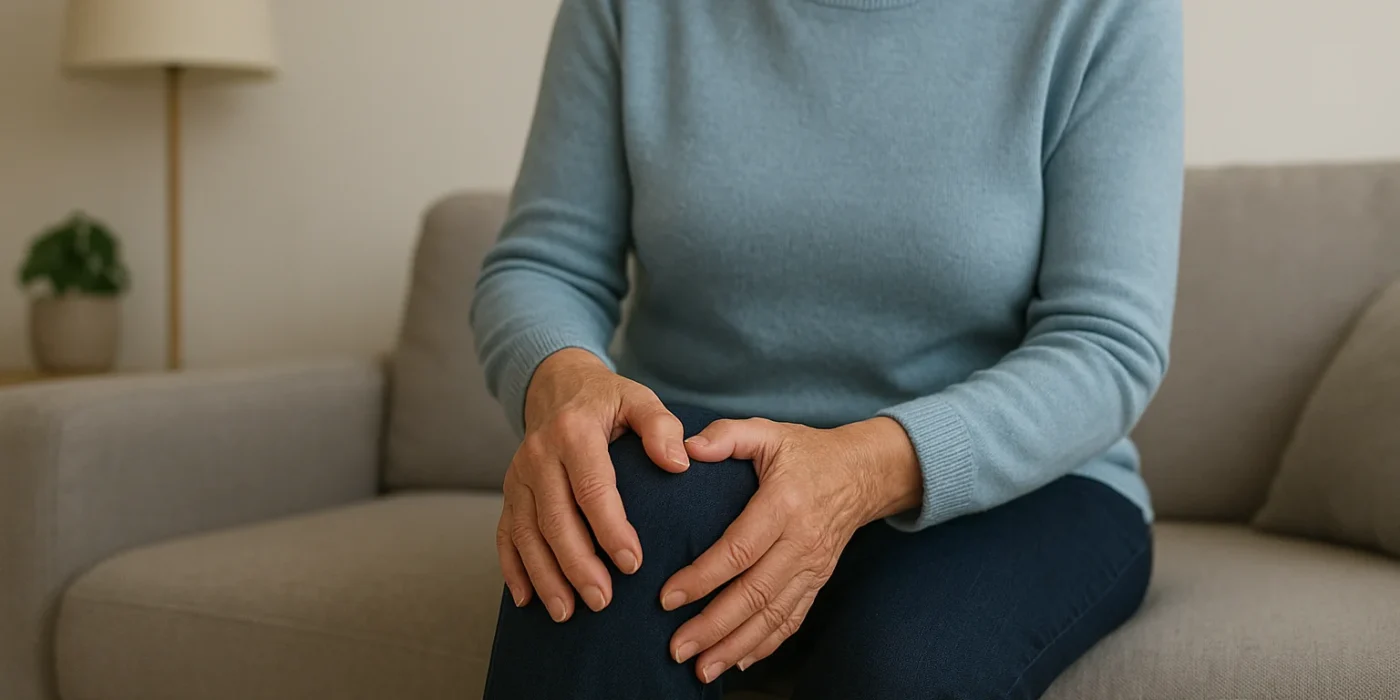
Arthritis is one of Australia’s most widespread and disabling chronic conditions. It affects an estimated 3.7–4.0 million Australians (roughly 15% of the population), imposing persistent joint pain, stiffness and fatigue on those who live with it. These symptoms can severely limit mobility and daily activities, reducing quality of life for patients and their families.
The social toll is high: many people with arthritis struggle to work, exercise, or even perform simple chores, often requiring help from family carers.
And the economic impact is enormous.
Arthritis and related musculoskeletal conditions already cost Australia’s health system roughly $16 billion each year – higher than diabetes or heart disease – and incur additional billions in lost productivity.
This growing burden touches every age group and community. With an aging population, more Australians than ever are facing arthritis. It is estimated that by 2040 around 5.3 million people (about 1 in 6 Australians) will have arthritis. When related musculoskeletal conditions (e.g. back pain, osteoporosis) are included, the number climbs even higher. In short, arthritis is a medical, social and economic challenge on the rise: a common disease with complex consequences.
Understanding Arthritis in Australia
What is Arthritis?
“Arthritis” isn’t a single disease but a general term for more than 100 disorders that damage the joints. All types involve joint inflammation to some degree, leading to pain, stiffness, swelling and loss of function. In many forms the body’s immune system mistakenly attacks joint tissues (as in rheumatoid arthritis), while in others it’s wear-and-tear degeneration of cartilage (as in osteoarthritis). Arthritis is usually chronic (long-term) and can affect people of any age – from children to older adults – although it becomes much more common with age. The net result is often a painful, progressive condition that erodes quality of life.
Common Types in Australia
Arthritis in Australia takes several familiar forms. The most common include:
- Osteoarthritis (OA): The “wear-and-tear” form of arthritis. Cartilage that cushions the ends of bones in a joint gradually breaks down over time. This causes bones to rub together, resulting in pain, swelling and reduced movement. OA often affects weight-bearing joints such as knees, hips and spine, as well as hand joints. Today about 2.1 million Australians have osteoarthritis, and this number is growing with our aging population.
- Rheumatoid Arthritis (RA): An autoimmune arthritis. The body’s immune system attacks the lining of joints, causing chronic inflammation. RA typically affects smaller joints (hands and feet) but can involve many joints and organs. It can occur at any age and often starts in middle age. In 2022 an estimated 514,000 Australians (2.0%) had RA. Women are about twice as likely as men to develop RA. Unlike OA, RA can cause systemic symptoms (fatigue, weight loss) as well as joint damage.
- Gout: A metabolic form of arthritis caused by uric acid crystal buildup, most famously in the big toe. Painful gout attacks are common (often linked to diet and genetics). Gout is also very prevalent in Australia, especially among men. It can cause intense joint pain and inflammation during flare-ups.
- Psoriatic Arthritis: Arthritis associated with the skin condition psoriasis. It can affect any joint and often causes swelling of entire fingers or toes (“sausage digits”).
- Juvenile Arthritis (JIA): Arthritis affecting children and teenagers. It is usually an autoimmune form and can affect growth and development if not treated. While rarer, it’s important in understanding arthritis across the lifespan.
Each type affects joints differently, but they all share the hallmark symptoms of pain and inflammation. Common triggers include aging, injury, obesity, genetics and immune factors. Lifestyle also plays a role: for example, being overweight or having had a joint injury increases the risk of osteoarthritis.
Who is Most Affected?
Certain groups bear a heavier arthritis burden than others:
- Older Australians: Arthritis prevalence rises steeply with age. Nearly half of Australians aged 75 and over are estimated to have. Age-related wear-and-tear makes osteoarthritis especially common in seniors.
- Women: Overall, women are more likely than men to develop arthritis. For instance, about 2.5% of Australian women have rheumatoid arthritis vs 1.6% of men. Osteoarthritis also tends to be higher in older women, possibly due to hormonal and biomechanical factors.
- Lifestyle and Socioeconomic Factors: Obesity and joint injuries are important risk factors. Sedentary lifestyles, poor diet and repetitive stress can increase arthritis risk. Rates are higher in socioeconomically disadvantaged and regional communities – likely reflecting differences in occupation, access to healthcare, and lifestyle. For example, inner-regional areas see about 20% of people with arthritis versus 13% in major cities.
- First Nations Australians: Aboriginal and Torres Strait Islander peoples experience a substantial arthritis burden. About 11% of First Nations adults were estimated to have arthritis in 2018–19. (Historical data suggested Aboriginal Australians often report higher rates, underlining a need for culturally appropriate care.) This disproportionally affects communities where chronic diseases are already common.
- Occupational Groups: People with physically demanding jobs or occupations involving repetitive joint use (e.g. construction workers, farmers) are at higher risk of joint osteoarthritis or injury-related arthritis.
In sum, while arthritis can strike anyone, it disproportionately affects older people, females, those with certain jobs or bodyweights, and communities facing health inequities.
The Growing Burden of Arthritis
Prevalence and Demographics
Arthritis is becoming more common. Australia’s aging population and rising rates of obesity mean that arthritis diagnoses are on the rise. Recent projections suggest that nearly one in six Australians will have arthritis by 2040. In concrete terms, about 5.3 million people are estimated to be living with arthritis by 2040 – roughly a 31% increase over today’s numbers.
Currently, around 3.7 million Australians (15%) report having arthritisaihw.gov.au. (This excludes gout; including gout or other musculoskeletal issues raises the number even further.) Counting all arthritis and related disorders, Arthritis Australia notes that about 7.3 million Australians currently live with these conditions (and two-thirds of them are under age 65). Each year there are tens of thousands of new cases: for example, approximately 85,000 new arthritis diagnoses are recorded annually.
Population projections make it clear these numbers will climb. By 2040, arthritis cases are expected to rise by about 30%. This means more patients in our hospitals and clinics, greater need for pain management, and more people living with chronic joint problems.
Economic Costs and Healthcare Strain
The financial toll of arthritis on Australia’s healthcare system and economy is staggering.
Current direct healthcare spending on osteoarthritis and rheumatoid arthritis care alone exceeds $5.26 billion per year (including doctor visits, medications and surgeries). About $3.5 billion of that is for osteoarthritis (mainly hip and knee joint replacements). If current trends continue, these direct costs could swell to over $7.7 billion annually by 2040.
Beyond healthcare budgets, indirect costs are enormous. Arthritis-induced lost productivity and disability hit the economy hard. In 2023 it was estimated that arthritis and musculoskeletal conditions cost the Australian economy nearly $16 billion a year, which includes welfare, lost taxes and reduced GDP. Early retirements due to arthritis already cost around $1.1 billion annually, and about $7.2 billion in lost gross national income each year. By 2030, projected welfare and productivity losses from arthritis are expected to exceed $10.9 billion, and the toll will only grow by 2040 if nothing changes.
These figures highlight the strain on both patients and the health system. More patients mean crowded specialist clinics and surgeries; longer waits for treatments; and higher out-of-pocket costs for families (many Australians pay for physiotherapy, medications, and aids themselves). All told, arthritis is one of Australia’s most expensive chronic disease groups. It rivals (and in some estimates exceeds) the cost of diabetes and heart disease, yet receives far less attention and funding.
Impact on Quality of Life
The personal impact of arthritis is profound. Constant pain, stiffness and fatigue can make even routine activities agonizing. Many people report difficulty walking, climbing stairs, dressing, cooking and other basic tasks.
Over time, the unrelenting nature of arthritis often leads to sleep disturbances and fatigue, which in turn contribute to anxiety and depression. In fact, anxiety and depression are common among people with arthritis.
Socially, arthritis can be isolating. Individuals may give up hobbies like gardening or sports, reduce social outings, and avoid travel if pain or mobility issues are severe. Many must rely on family members or carers for assistance with daily living. For example, a parent with severe arthritis might struggle to lift or play with children, requiring help from partners or grandparents.
The hidden burden on carers is significant: family members often take on extra responsibilities (transporting to appointments, helping with household chores, providing emotional support) in order to help loved ones cope with arthritis.
In the workplace, arthritis is a leading cause of time off and lost working years. It is second only to injury as a reason Australians take sick leave. According to a national survey, 73% of Australians underestimate the impact of arthritis on people of working age, yet this condition already forces many to reduce hours or exit the workforce entirely. Across the community, every pain-related sick day or early retirement reflects a personal struggle behind the statistics.
Statistics Snapshot: Arthritis in Australia
The table below compares key figures now and projected for 2040, illustrating the escalating scope of the problem:
| Year | Number of Australians with Arthritis | Annual Direct Healthcare Cost | Annual Productivity/Economic Loss |
| 2020 | ~5.3 million | ≈$5.3 billion | ≈$7.2 billion (lost GDP) |
| 2040 (proj.) | ~7.3 million | ≈$7.7 billion | >$10.9 billion |
The Human Impact: Stories Behind the Numbers
These numbers represent real people. Consider John, a 75-year-old retiree who has lived on his own for years. Until recently, he walked his dog in the park every morning and tended to his garden. Severe knee osteoarthritis now leaves John using a cane for short trips, and he often spends evenings icing his joints for pain relief. Tasks like grocery shopping or bending to tend plants have become excruciating. John now relies on his daughter and neighbors to help with chores. His story – of an active life curtailed by pain – echoes what hundreds of thousands of older Australians experience.
Or think of Sarah, a 42-year-old mother of two young children. She was diagnosed with rheumatoid arthritis in her late 30s. On many days her fingers and wrists are so stiff that opening jars or tying shoelaces feels impossible. Morning stiffness makes getting the kids ready for school a battle. Chronic fatigue often forces her to cancel social plans or call off work, leaving her feeling frustrated and isolated. Sarah’s husband and parents step in to help with childcare and housework, since she cannot manage on her own. Like many working-age adults with arthritis, Sarah worries about her future mobility and the toll this takes on her family.
Families and carers play a vital role in each of these stories. A spouse may have to take extra time off work to drive a partner to physio, or a grandchild may shop for a grandparent who can’t drive. These hidden personal costs – lost independence, strained family relationships and emotional stress – are every bit as real as the financial costs.
Approaches to Managing Arthritis
Arthritis care typically involves a combination of medical treatments, self-management and lifestyle changes. Each approach has its place in easing symptoms and improving function.
Conventional Treatments
Medical (conventional) treatments aim to reduce inflammation and pain, slow disease progression (for some types), and restore joint function. Common interventions include:
- Medications: Pain relievers and anti-inflammatories such as paracetamol and NSAIDs (e.g. ibuprofen, diclofenac) are often first-line. They can reduce pain and swelling but may cause side effects (gastrointestinal upset, kidney or heart risks) if used long-term. For inflammatory arthritis like RA, DMARDs (disease-modifying antirheumatic drugs) such as methotrexate or newer biologics are prescribed to slow the disease process. Corticosteroid tablets or joint injections can quickly suppress severe flares, but prolonged steroid use carries risks (osteoporosis, high blood sugar, etc.).
- Physiotherapy and Exercise Programs: Physical therapists design exercise routines to strengthen muscles around joints, improve flexibility and maintain range of motion. Targeted exercises (e.g. water aerobics, Pilates, walking programs) are an essential part of management. Occupational therapists can teach joint protection techniques and provide assistive devices (splints, raised toilet seats, etc.) to make daily tasks safer.
- Surgery: In severe osteoarthritis of the hip or knee, joint replacement surgery can be life-changing. Replacing a destroyed joint with a prosthesis often restores mobility and relieves pain when conservative measures fail. Surgery carries its own risks, of course, and requires rehabilitation afterward.
- Other Medical Interventions: These may include corticosteroid injections into joints for temporary relief, topical anti-inflammatory creams, or non-opioid pain modulators. Regular reviews with a rheumatologist or pain specialist are common for complex cases.
Each of these conventional treatments has benefits and limitations. For example, joint replacement can restore mobility, but surgery is major and not suitable for everyone. Medications can control symptoms but often do not cure the disease and may produce unwanted effects. Thus, many people with arthritis complement conventional care with lifestyle measures and other approaches.
Lifestyle and Self-Management Strategies
Self-care plays a crucial role in arthritis management. Key strategies include:
- Regular Exercise: Low-impact activities like swimming, walking, tai chi or cycling help keep joints flexible and muscles strong. Exercise also boosts mood and overall health. Programs such as Arthritis Australia’s exercise classes are designed for people with joint issues.
- Weight Management: Maintaining a healthy weight reduces stress on weight-bearing joints (especially knees and hips). Even a small weight loss can significantly decrease pain and improve mobility in osteoarthritis.
- Healthy Diet: A balanced diet rich in anti-inflammatory foods (e.g. omega-3 fatty acids from fish, plenty of fruits and vegetables) may help reduce overall inflammation. Avoiding excessive alcohol and limiting foods high in purines (in gout) are also recommended.
- Joint Protection and Pacing: Learning to “pace” activities – spreading tasks throughout the day, taking breaks, using ergonomic tools (like jar openers or reachers) – can minimize joint strain. Good posture and body mechanics (e.g. not bending knees when lifting) also help protect sore joints.
- Education and Support: Attending arthritis education programs and support groups empowers patients with knowledge about their condition. Understanding pain management techniques and medication use can improve outcomes. Psychological support (counseling or relaxation techniques) may help address stress or depression associated with chronic pain.
Lifestyle changes and self-management are fundamental but sometimes hard to maintain. They require commitment and often guidance from healthcare professionals. However, they can reduce the reliance on medications and improve overall well-being.
Natural Herbal Alternatives for Arthritis Relief
Beyond conventional medicine, many Australians seek relief through natural herbal remedies. Growing awareness of treatment side effects and a general interest in holistic wellness have driven demand for alternative approaches. For those interested in non-pharmaceutical options, gentle plant-based supplements can be an attractive complement to standard care.
Our Authentic Arthritis Asian Herbs – a carefully blended supplement rooted in Thai and broader Asian healing traditions. This formula is steroid-free and designed for safe, long-term use. The idea is not to replace prescribed therapies with a “miracle cure,” but to provide a natural, effective supplement that may reduce inflammation and pain with minimal side effects.
Herbal alternatives are appealing because they align with a holistic view of health. Many users report that combining them with standard treatments helps lessen pain over time. In fact, our formula is marketed for people looking for arthritis relief that complements their medical care rather than conflicts with it.
The Role of Natural Herbal Remedies
Why Australians Are Turning to Herbal Support
A significant number of Australians are exploring herbal and complementary approaches for arthritis. Surveys indicate that many patients are dissatisfied with the limited relief or side effects of long-term NSAID/steroid use, and they want to try natural arthritis relief strategies.
The public is increasingly aware of holistic and whole-person health: people often seek treatments that support the body’s innate healing rather than suppress symptoms. In addition, the popularity of wellness and traditional medicine has made herbal products more mainstream.
As a result, products like our natural herbal remedies have seen growing interest – especially those that emphasize safety and tradition.
Safe, Steroid-Free Options
One of the key advantages of our plant-based remedies is safety. All ingredients in our formula are steroid-free and chemical-free. This means they lack the harsh side effects associated with long-term drug therapy. For instance, Eucommia Bark reduces inflammation without suppressing the immune system or causing stomach bleeding. Instead of only masking symptoms, these herbs work by gently supporting normal joint function. They are considered gentle on the body, making [them] ideal for those looking for sustainable, long-term support without harsh side effects.
Many Australians choose this route because they want an arthritis solution that respects their body’s natural balance. Our approach is based on listening to traditional wisdom: using plant power to help restore the body’s rhythm, rather than forcing it with synthetic chemicals. In practical terms, this means you can take the Eucommia Bark blend daily as a long-term regimen, helping manage pain and stiffness gradually and steadily. No quick fixes or crash diets – just gentle, ongoing support.
Comparative Overview: Conventional vs Natural Approaches
| Approach | Pros | Cons |
| Conventional Treatments (medications, surgery) | Pros: Often provides quick pain relief; supported by medical research; targeted therapies (e.g. DMARDs for RA) can slow disease. Surgery (joint replacement) can restore function dramatically in severe cases. | Cons: Side effects can be serious (gastrointestinal issues, organ damage, risk of infection from steroids); treatments often focus on symptoms rather than underlying health; high direct and out-of-pocket costs. |
| Natural Herbal Approach (plant-based supplements, lifestyle) | Pros: Generally gentle and holistic; fewer side effects; can be safe for continuous use. Supports overall wellness (some herbs also benefit circulation, mood, etc.). Promotes arthritis relief in a way that complements medical care. | Cons: Relief may take longer to notice; less clinical trial data compared to drugs; effectiveness can vary by individual. Requires consistency and lifestyle commitment; not a substitute for necessary medical treatments in severe cases. |
Both paths have merit, and many people combine them (e.g., conventional medications plus herbal supplements and exercise). The best approach is personalized: balancing symptom control with overall health.
A Natural Option That Respects Your Body
We’re not here to sell a miracle cure or a quick fix. At Authentic Arthritis Asian Herbs, our philosophy is different. We trust that your body has an innate healing rhythm, and our role is to support it gently, not override it. All our products are thoughtfully formulated from time-honored botanical ingredients chosen for their safety and effectiveness. You won’t find steroids or harsh chemicals in them. Instead, you’ll find plant-based compounds that work with your body’s own processes to reduce inflammation and soothe discomfort.
Because we take pride in what we do, we focus on helping, not hyping. We won’t promise to “cure” your arthritis overnight – anyone who claims that is overpromising. Instead, we offer a steady, caring support: a natural arthritis relief aid you can take daily. Some people feel reduced pain after a few weeks; others notice gradual improvements in mobility or stamina over months. Our aim is to help you sleep a little more soundly, move a bit more freely, and worry less about side effects.
Ultimately, our hope is simple: that by respecting your body with a safe, herbal approach, we give you one more tool to reclaim comfort and independence. If Authentic Arthritis Asian Herbs can help restore even a fraction of your mobility or ease, and give you back more confidence and peace of mind in the process, then we feel we’ve succeeded. Because for us, your well-being is the real bottom line.