Arthritis affects millions worldwide, causing joint inflammation, stiffness and chronic pain. Many people seek natural, herbal approaches alongside conventional medicine to ease symptoms. We explore traditional botanicals used across cultures – from Chinese Du Zhong and Ayurvedic herbs to Amazonian vines – that have anti-inflammatory and pain-relieving properties.
These herbs are often combined in formulas (for example, Our Authentic Arthritis Asian Herbs), and may be taken as capsules, teas or tinctures. Research suggests that these herbs significantly reduce arthritis pain and improve function. However, none are a “miracle cure.”
Instead, they are supportive tools – one part of a holistic approach that includes diet, exercise, and possibly even acupuncture – to manage arthritis. Each person is unique, so it often takes experimenting with combinations of herbs, doses and forms (capsule vs tea, for example) to find relief.
Salica Chinensis
Salica chinensis (a willow-family tree) is valued in Ayurveda and Asian herbal traditions for its gentle anti-inflammatory effect. It contains salicinoids, compounds similar to aspirin. Unlike synthetic NSAIDs, Salica’s salicins can soothe joint inflammation and pain with fewer stomach side effects. It is often cited as “Nature’s gentle anti-inflammatory”. Benefits of Salica Chinensis include:
- Inflammation relief: Its salicylic compounds help calm the immune response that drives arthritis swelling.
- Pain relief: By blocking pain signals like aspirin does, it eases aches and stiffness.
- Improved mobility: Reducing inflammation can restore range of motion in affected joints.
- Safety: Traditionally considered milder than aspirin on the digestive tract.
Salica chinensis is typically available as a standardized capsule or powder. It can also be brewed as a tea (similar to willow bark tea). In combination with other herbs in our formula, it’s one of the most effective herbs to alleviate arthritis pain.
Anamirta Cocculus
Anamirta cocculus (commonly called “fishberry”) is a lesser-known vine used in traditional medicine for nerve-related pain. It contains picrotoxin-type alkaloids that act on the central nervous system. Benefits of Anamirta Cocculus include:
- Nerve-calming effect: Acts as a mild sedative or muscle relaxant, which can soothe nerve pain and tension in arthritic limbs.
- Analgesic (pain relief): Helps reduce nerve-spasm pain that often accompanies joint issues.
- Anti-inflammatory support: May indirectly reduce inflammation by calming the nervous system.
Anamirta cocculus is typically used in very small amounts within herbal combinations. In our blends it is pre-processed and measured carefully. Its role is mostly as a supportive, nerve-soothing ingredient rather than a primary arthritis treatment.
Cryptolepis Dubia
Cryptolepis dubia (also called Syriacus in some traditions) is an herb reputed for immune and joint support. It’s related to Cryptolepis sanguinolenta, a West African anti-malarial plant that also has anti-inflammatory properties. Benefits of Cryptolepis Dubia include:
- Anti-inflammatory alkaloids: Contains cryptolepine-like compounds which can dampen inflammatory pathways.
- Immune support: Traditionally used to boost overall immunity, which may help the body manage chronic inflammation.
- Pain reduction: By reducing inflammatory mediators, it can indirectly ease arthritis discomfort.
Cryptolepis Dubia is one of the botanicals in our herbal formula. It is usually taken as a capsule or extract. (Some herbalists also make it into a cold-water tincture.) Because it is potent, it is generally used alongside other anti-inflammatory herbs.
Strychnos (Nux Vomica)
Strychnos nux-vomica seeds (known as nux vomica) are infamous as the source of strychnine, but in homeopathic and traditional Ayurvedic uses they are highly diluted. In Ayurveda, a processed form called “nux vomica” is used for arthritis and gout, aiming to stimulate circulation. Key points about Strychnos:
- Circulation and pain: Traditional texts claim processed nux vomica can improve circulation around joints and relieve pain.
- Nerve stimulation: Small, controlled doses can energize nerves and muscles, potentially easing stiffness.
- Caution: Raw Strychnos is extremely toxic. As one study warns, Strychnos seeds “are popularly used in the treatment of arthritis” but must be carefully processed to remove toxic alkaloids.
Because of the toxicity risk, modern formulations use only properly detoxified extracts (and dosages are very low). It’s rarely used on its own; instead it’s included in polyherbal formulas under expert guidance. If used, it is in powdered or capsule form.
Warning: Unprocessed Strychnos seeds should never be used, and even the processed herb should be taken under supervision.
Derris scandens
Derris scandens (a vine native to Southeast Asia) is a well-studied traditional remedy for arthritis. Its anti-inflammatory roots have been validated by research. In a clinical trial, Derris scandens extract was as effective as the NSAID naproxen for knee osteoarthritis pain, but caused fewer stomach problems. Benefits of Derris scandens include:
- Pain relief: Blocks pain signals similarly to common arthritis drugs.
- Reduces swelling: Inhibits inflammatory enzymes, easing joint inflammation.
- Improves mobility: Patients using Derris extract reported better walking distance and joint function.
- Gentler side effects: Unlike NSAIDs, it tends to spare the stomach lining.
Derris scandens is typically consumed as an 800 mg daily extract, often in capsule form. Traditional use also involves boiling the roots to make a decoction (tea). It’s usually recommended for short-term flare-ups (weeks) due to its potency, though some take it cyclically over longer periods as needed.
Dracaena Conferta
Dracaena conferta is a lesser-known tropical plant with traditional uses in Chinese and folk medicine. It contains unique steroidal saponins and flavonoids. Benefits of Dracaena conferta include:
- Anti-inflammatory compounds: Laboratory research has isolated saponins from the stems that inhibit inflammation in arthritic models.
- Circulation support: Traditionally believed to promote blood flow and “warm” joints, which can relieve stiffness.
- Analgesic effect: By improving local circulation, it may reduce pain and numbness in arthritic limbs.
Dracaena conferta is used as part of herbal blends rather than alone. In practice it is often taken in capsule form. As an herbal ingredient, it complements other anti-inflammatory herbs. (It’s generally considered safe, but dose guidelines vary; in our product formula it is calibrated to an amount shown in traditional use.)
Eucommia Bark
Eucommia ulmoides, known as Du Zhong in Chinese medicine, is one of the most famous anti-arthritic herbs. The dried bark of this tree has been used for centuries to strengthen sinews and bones. Its key benefits are:
- Anti-inflammatory and analgesic: Modern studies show Eucommia extracts reduce inflammation and pain in joint disorders, possibly by inhibiting enzymes like COX-2 and cytokines.
- Cartilage support: Eucommia contains iridoid and lignan compounds that help regenerate cartilage and protect joint tissues, potentially slowing arthritis progression.
- Bone and tendon strength: It is used traditionally to “tonify the kidneys”, which in TCM is believed to strengthen bones and ligaments, supporting long-term joint stability.
Eucommia bark is typically taken as a tea (brewing 3–6 grams of dried bark per cup) or in capsule/extract form. Regular use can help maintain joint flexibility and comfort over years, rather than just acting as a fast pain-killer.
Aloe Vera
Aloe vera is well-known for skin healing, but oral aloe has also been used in arthritis. Aloe contains polysaccharides (like acemannan) and antioxidants that have anti-inflammatory effects. Potential benefits of Aloe vera include:
- Reduces joint inflammation: Inhibits some inflammatory enzymes and cytokines, easing swelling in arthritic joints.
- Joint pain relief: Its soothing nature can lower pain signals; some users report less aching when taking aloe supplements daily.
- Digestive protection: It may protect the stomach from the irritant effects of NSAIDs (as the review suggests), making it a helpful addition if you take regular pain meds.
Aloe vera is used as a juice or gel supplement (often ~30–50 mL per day). Some arthritis blends include freeze-dried aloe in capsule form. Additionally, applying aloe gel topically can soothe overlying tissue inflammation. Side effects are rare at moderate doses, but aloe is a laxative at high doses, so it should be used judiciously.
Boswellia (Frankincense)
Boswellia serrata, or frankincense resin, is a powerful anti-inflammatory in arthritis. Its active boswellic acids inhibit the 5-lipoxygenase pathway, reducing leukotrienes that drive joint inflammation. A systematic review found that Boswellia extract significantly improved pain, stiffness and function in osteoarthritis patients. Key benefits of Boswellia include:
- Strong anti-arthritic action: Clinical trials show Boswellia reduces arthritis pain and swelling comparable to NSAIDs, but with a safer profile.
- Improves function: Patients taking Boswellia were able to walk farther and use their joints more freely after weeks of use.
- Cartilage preservation: Some studies suggest boswellic acid may help protect cartilage from breakdown, offering long-term benefit.
It is usually taken as an extract capsule standardized to boswellic acids (often 100–300 mg twice daily). Some supplements combine Boswellia with turmeric for synergistic effect. Unlike synthetic drugs, Boswellia tends not to cause gastric ulcers, making it suitable for long-term use. (Rarely, some people may experience mild stomach upset or skin rash with high doses.)
Cat’s Claw (Uncaria tomentosa)
Cat’s claw is an Amazonian vine prized for its immune-modulating and anti-inflammatory properties. Studies in osteoarthritis are encouraging: one clinical trial concluded “Cat’s claw is an effective treatment for osteoarthritis”, with patients reporting significantly less pain within weeks. Its benefits include:
- Inflammation blocker: Compounds in cat’s claw inhibit tumor necrosis factor (TNF-α) and other inflammatory mediators, directly reducing joint swelling.
- Antioxidant activity: It scavenges free radicals, protecting joint tissues from oxidative damage.
- Immune balance: While boosting defense, it also modulates an overactive immune system, which can be helpful in autoimmune arthritis.
Cat’s claw is most commonly taken as an oral supplement (250–350 mg of a freeze-dried extract, 1–3 times daily) or tincture. Some use it as tea, but higher-strength extracts are more reliable for joint pain. It is generally well-tolerated; a trial in rheumatoid arthritis noted few side effects. Pregnant women should avoid cat’s claw, and those on immune-suppressing drugs should consult a doctor.
Eucalyptus
Eucalyptus (primarily Eucalyptus globulus) is an aromatic evergreen tree whose essential oil is used for pain relief. The oil’s main component, 1,8-cineole, has analgesic and anti-inflammatory effects. Recent research found that inhaling eucalyptus oil three times daily significantly reduced pain in rheumatoid arthritis patients compared to controls. Key points about eucalyptus include:
- Pain relief: Eucalyptus oil applied topically (as a rub) or inhaled can decrease joint pain and stiffness. It is commonly used for muscle and joint aches.
- Anti-inflammatory and warming: The sensation of warmth from eucalyptus improves circulation to joints, and its anti-inflammatory action helps soothe rheumatic pain.
- Respiratory benefits: Although not directly an arthritis effect, easing breathing may reduce overall stress on the body during flare-ups.
Usage: Eucalyptus is typically used as an oil (never ingest it!). A few drops of eucalyptus oil can be added to a warm bath or mixed with a carrier oil and massaged into arthritic joints. Aromatherapy inhalation is also common (e.g., in a diffuser). Always dilute eucalyptus oil before skin application, and avoid it around infants or if you have any allergies.
Ginger
Ginger (Zingiber officinale) is a culinary root with well-documented anti-inflammatory and analgesic properties. Multiple studies and reviews indicate ginger can relieve arthritis pain. For example, a clinical trial found a combination of ginger (with black pepper and turmeric) to be “just as effective as naproxen” (a pain reliever) for knee osteoarthritis. Benefits of ginger include:
- Reduces pain and stiffness: Ginger’s active compounds (gingerols and shogaols) inhibit prostaglandins and cytokines that cause pain. Many people with osteoarthritis report decreased joint pain with regular ginger intake.
- Antioxidant and digestive aid: Ginger combats oxidative stress in joints and also helps digestion, which is useful since many arthritis sufferers take multiple medications.
- Immune modulation: Some studies in rheumatoid arthritis show ginger reduced inflammatory markers like C-reactive protein (CRP).
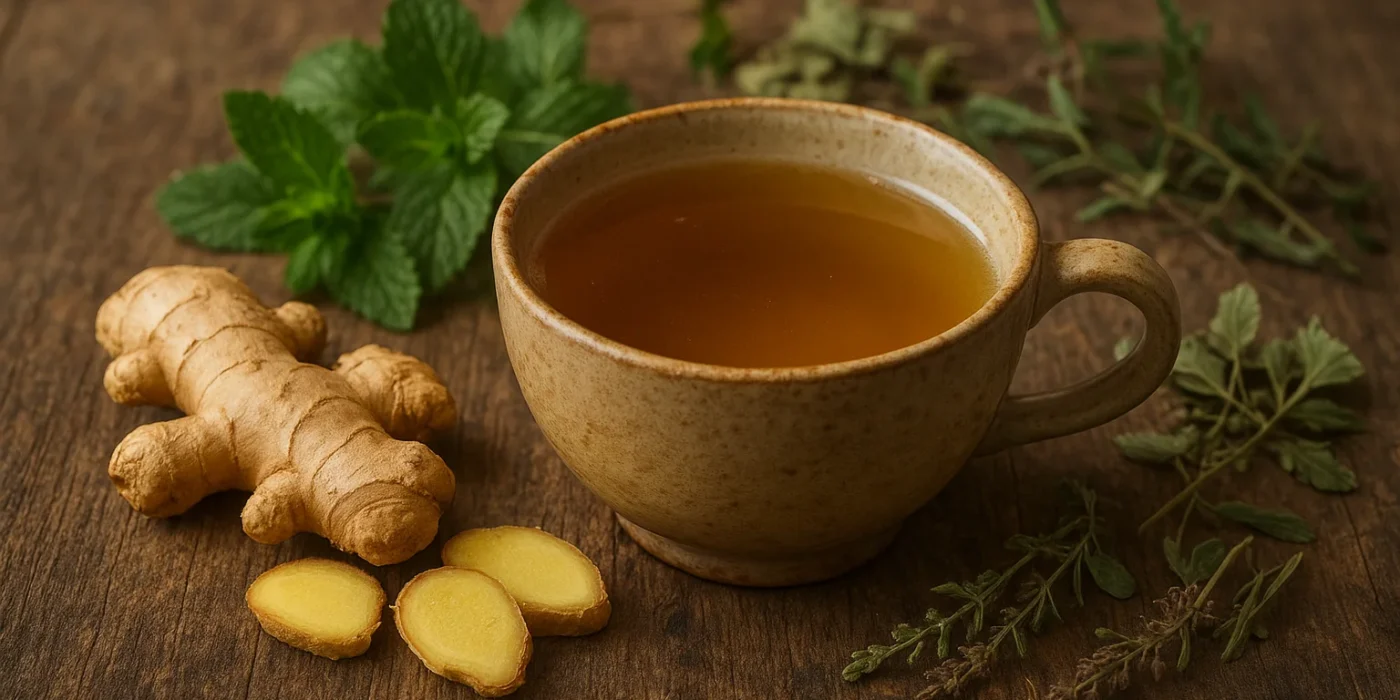
How to use: Fresh ginger tea (1–2 grams of root boiled daily) can provide relief, as can ginger powders and capsules. Capsules are convenient – look for a standardized extract of 250–500 mg (taken 2–4 times a day). Ginger is also available as an essential oil for topical use. Typical side effects are mild (heartburn, digestive upset at high doses), so begin with small doses. Do not take ginger with blood thinners or if you have low blood pressure without medical advice.
Green Tea
Green tea (Camellia sinensis) is rich in polyphenols, especially EGCG, which have potent anti-inflammatory effects. Specifically, green tea benefits include:
- Inhibits inflammatory enzymes: EGCG blocks key enzymes (like COX-2 and NF-κB) and cytokines (such as IL-6) that drive osteoarthritis and rheumatoid arthritis.
- Protects cartilage: Laboratory studies suggest EGCG slows cartilage breakdown and preserves the joint matrix.
- General antioxidant support: Drinking green tea provides a wide range of antioxidants that help reduce oxidative stress in inflamed joints.
Usage: Aim for 2–3 cups of green tea daily (standard brewing from leaves or bags). For a more potent effect, high-quality green tea extracts or capsules (providing ~200–300 mg EGCG) can be used, especially if one is sensitive to caffeine. As a bonus, green tea is associated with many other health benefits (heart health, brain health, etc.). Caffeine-sensitive individuals should prefer decaffeinated preparations.
Thunder God Vine
Thunder god vine (Tripterygium wilfordii, known as Lei Gong Teng) is a Chinese herb with very powerful anti-inflammatory and immunosuppressive compounds (notably triptolide and celastrol). It has been researched for rheumatoid arthritis (RA). The U.S. NIH notes that “some reports suggest” thunder god vine “might be beneficial for some symptoms of rheumatoid arthritis” (such as joint swelling and tenderness). Benefits and cautions include:
- Strong inflammation reduction: Triptolide can dramatically decrease immune activity, which may relieve RA symptoms better than mild herbs.
- Joint swelling relief: Studies in China found combinations with thunder god vine reduced joint pain/swelling in RA patients.
- Potential cartilage protection: It may inhibit cells that destroy cartilage.
However, thunder god vine carries serious risks. The NCCIH cautions that it can have severe side effects, including kidney and liver damage, and even death in some cases. It can also cause gastrointestinal upset, dizziness, lowered white cell counts, and menstrual irregularities. Because of this, thunder god vine should only be used under professional guidance and is not sold over-the-counter in most countries. There are standardized extracts on the market (often called Tripterygium extracts) for RA, but they must be used with caution. (Pregnant women should avoid it entirely.)
Turmeric (Curcumin)
Turmeric (Curcuma longa) is one of the best-researched herbs for arthritis. Its active compound curcumin has potent anti-inflammatory effects (blocking COX-2, 5-LOX, and NF-κB). A 2021 review of clinical trials reported that turmeric/curcumin significantly improved pain and function in knee osteoarthritis, with effects similar to NSAIDs. Key points about turmeric:
- Powerful anti-inflammatory: Curcumin reduces joint swelling and pain by suppressing inflammatory signaling molecules.
- Pain relief: Many studies show turmeric supplements reduce arthritic knee pain more than placebo. In some trials, benefits were comparable to ibuprofen or other painkillers.
- Safety: Unlike NSAIDs, turmeric rarely causes stomach bleeding, making it suitable for long-term use.
Turmeric can be consumed as a spice (curry, turmeric milk tea) but supplements are more effective for arthritis due to higher dosing. Look for curcumin extracts standardized to >95% curcuminoids. A typical dose is around 500–1000 mg twice daily (often with black pepper or piperine, which greatly increases absorption). Some formulations use turmeric oil as well. Topical turmeric (turmeric paste) can also be applied over joints for local relief. Possible side effects at very high doses include mild stomach upset; always consult your doctor, especially if on blood thinners or antacid medications.
Willow Bark
Willow bark (from Salix species) is the botanical precursor of aspirin. It contains salicin, which the body converts to salicylic acid. Its benefits include:
- Natural analgesic: Acts like a mild aspirin to reduce pain and inflammation in joints.
- Milder on stomach (for many): Some people who can’t tolerate synthetic NSAIDs find willow bark easier on the gut.
- Time-tested use: Historically used for centuries to relieve rheumatic aches.
Willow bark is usually taken as a capsule or tablet (standardized to a certain mg of salicin, often around 120–240 mg/day, similar to aspirin dosing) or as a tea (steeping the dried bark). Keep in mind that, like aspirin, willow bark can still thin blood and irritate the stomach if overused. People on blood thinners, or with ulcers or kidney disease, should avoid it. In practice, willow bark is often reserved for mild arthritis or used occasionally rather than daily high doses.
Devil’s Claw (Harpagophytum procumbens)
Devil’s claw is a South African plant traditionally used for back and joint pain. Research has shown it to be as effective as some conventional drugs for osteoarthritis. Highlights of devil’s claw include:
- Strong anti-inflammatory: Its active component, harpagoside, blocks pathways that cause joint inflammation. Laboratory studies confirm it interferes with prostaglandins and other mediators.
- Pain reduction: Patients taking devil’s claw extracts often report significant pain relief.
- Fewer GI issues: Devil’s claw users generally experience less stomach irritation than those on standard OA meds.
It comes as capsules or tinctures. A common dose is 500–1,000 mg of dried root (or extract) three times daily. You can also find it as part of arthritis teas or blended supplements. Side effects are uncommon but can include stomach upset, headache or dizziness. Rarely, it may affect heart rhythm or bleeding, so anyone with heart or bleeding disorders should use it under medical advice.
Ashwagandha (Withania somnifera)
Ashwagandha is an Ayurvedic herb best known as an adaptogen, but it also has anti-inflammatory and pain-relieving effects. Its withanolide compounds provide several arthritis benefits:
- Analgesic and anti-inflammatory: Studies describe Ashwagandha extracts as having “analgesic, anti-inflammatory and chondroprotective effects”, meaning they can ease joint pain and protect cartilage.
- Reduces joint discomfort: In a randomized trial of knee osteoarthritis, patients taking Ashwagandha had significantly greater reductions in pain and swelling than placebo. The 250 mg dose group showed improvements as early as 4 weeks.
- Stress reduction: By lowering stress hormones, Ashwagandha indirectly helps manage pain perception and the fatigue that often accompanies chronic arthritis.
Ashwagandha can be taken as a root powder or extract capsule. Typical doses range from 300–500 mg twice daily of an extract (standardized to withanolides). It’s also safe enough to use daily for months. Some combine Ashwagandha with Boswellia or turmeric in joint formulas. Caution is minimal; high doses can act as a sedative, so start low (for example 250 mg/day) and increase gradually. Pregnant or breastfeeding women should avoid it.
A Balanced Perspective on Herbal Relief
We’re not here to claim any miraculous cure. Herbs can support arthritis management, but they work best as part of a whole-person approach. Every patient is unique: what brings relief for one person may not for another. It often requires patience and experimentation – trying different herbs (in capsules, teas or tinctures), adjusting doses, and combining them with diet, exercise and medical care. The goal is to reduce pain and improve quality of life, not just mask symptoms. By choosing time-honored herbs with scientific backing (and by working with knowledgeable health professionals), you can find a herbal regimen that brings real comfort and more peace of mind.