If you’re searching for natural remedies for gout, you’re not alone—millions of people worldwide are looking for effective ways to manage this painful condition through diet and lifestyle changes. Gout can be debilitating, but the good news is that what you eat plays a powerful role in managing symptoms and preventing flare-ups.
From anti-inflammatory foods to traditional Asian herbs, there are countless dietary strategies that can help reduce uric acid levels, ease joint pain, and support long-term joint health. In this comprehensive guide, we’ll explore the foods, beverages, and herbal remedies that can make a real difference in your gout management journey.
Understanding Gout and Its Dietary Impact
What is Gout?
Gout is a form of inflammatory arthritis characterized by sudden, severe attacks of pain, swelling, redness, and tenderness in the joints—most commonly affecting the big toe. This condition occurs when uric acid builds up in the bloodstream and forms needle-like crystals in and around joints, triggering intense inflammation and discomfort.
The root cause of gout lies in how your body processes purines, which are natural compounds found in many foods and in your body’s own cells. When purines break down, they produce uric acid as metabolic waste. Normally, your kidneys filter out excess uric acid through urine. However, when your body produces too much uric acid or your kidneys can’t eliminate enough of it, levels rise and crystallization occurs.
Common symptoms include excruciating joint pain that comes on suddenly (often at night), lingering discomfort that can last days to weeks, visible inflammation with red and swollen joints, and significant stiffness that limits your range of motion.
How Diet Affects Gout
Your dietary choices have a direct impact on uric acid levels in your body. Foods high in purines—such as red meat, organ meats, certain seafood, and alcohol—can dramatically increase uric acid production, triggering painful gout attacks. When you consume these foods regularly, you’re essentially feeding the condition.
Beyond purine content, there’s a strong connection between inflammation and diet. Processed foods, refined sugars, and unhealthy fats can promote systemic inflammation throughout your body, making gout symptoms worse. Conversely, anti-inflammatory foods can help calm the inflammatory response and provide relief.
Hydration and metabolic balance are equally crucial. When you’re dehydrated, uric acid becomes more concentrated in your blood, increasing the likelihood of crystal formation. Proper fluid intake helps your kidneys flush out excess uric acid more efficiently, reducing your risk of flare-ups and supporting overall metabolic health.
Foods That May Help Reduce Gout Symptoms
Low-Purine Foods
Incorporating low-purine foods into your daily meals is one of the most effective dietary strategies for managing gout. Vegetables like leafy greens, bell peppers, carrots, and cauliflower are excellent choices that provide essential nutrients without raising uric acid levels. Whole grains such as brown rice, oats, and quinoa offer fiber and sustained energy while keeping purine intake low. Certain fruits—including apples, pears, and citrus varieties—are not only low in purines but also rich in vitamins that support joint health.
The reason low-purine diets work so well is simple: by limiting your intake of purines, you reduce the amount of uric acid your body needs to process and eliminate. This preventive approach helps maintain healthier uric acid levels and decreases the frequency and severity of gout attacks over time.
Anti-Inflammatory Foods
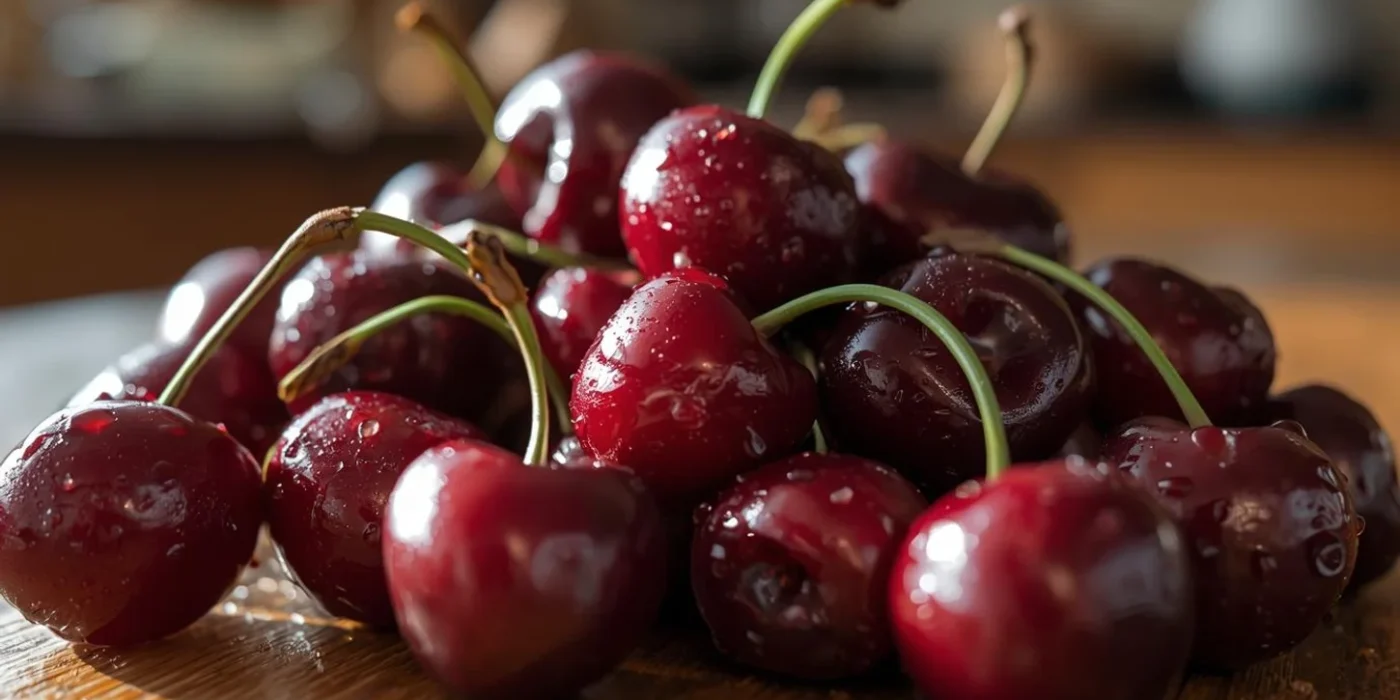
Anti-inflammatory foods are your allies in the fight against gout pain and swelling. Cherries deserve special mention—studies have shown that consuming cherries regularly can significantly reduce gout attacks. Berries like strawberries, blueberries, and raspberries are packed with antioxidants called anthocyanins that combat inflammation at the cellular level. Citrus fruits such as oranges and grapefruits provide vitamin C, which may help lower uric acid levels.
Fatty fish rich in omega-3 fatty acids—including salmon, mackerel, and sardines—offer powerful anti-inflammatory benefits. While some fish are high in purines, the omega-3s they contain can help reduce inflammation and support joint health when consumed in moderation. The key is finding the right balance for your individual tolerance.
Spices like turmeric and ginger have been used for centuries to reduce inflammation naturally. Turmeric contains curcumin, a compound with potent anti-inflammatory properties, while ginger can help ease pain and improve circulation. Adding these spices to your meals or enjoying them as teas can provide ongoing support for managing gout symptoms.
For more ideas on inflammation-fighting foods, explore our guide on top superfoods for arthritis pain relief.
Foods to Avoid
Knowing which foods to limit or eliminate is just as important as knowing what to eat. Red meats and organ meats like liver, kidney, and heart are extremely high in purines and should be avoided during active gout flares and limited even when symptoms are under control. These foods can cause dramatic spikes in uric acid levels.
Sugary beverages—particularly those sweetened with high-fructose corn syrup—have been strongly linked to increased gout risk. Fructose raises uric acid production in your body, making sodas and fruit juices with added sugars particularly problematic. Alcohol, especially beer and spirits, interferes with your kidneys’ ability to eliminate uric acid and should be consumed sparingly or avoided altogether.
Processed foods and refined carbohydrates like white bread, pastries, and packaged snacks contribute to inflammation and can indirectly worsen gout symptoms. These foods often contain unhealthy fats, excessive sodium, and additives that promote metabolic imbalance, creating an environment where gout thrives.
Beverages and Fluids That Support Gout Management
Water and Hydration
Plain water is arguably the most important beverage for anyone managing gout. Staying well-hydrated helps your kidneys function optimally, allowing them to filter and eliminate uric acid more effectively. When you drink adequate amounts of water throughout the day, you dilute uric acid in your bloodstream and reduce the risk of crystal formation in your joints.
Aim for at least 8-12 glasses of water daily, and increase your intake during hot weather or when exercising. Proper hydration also supports your body’s natural detoxification processes, helping flush out metabolic waste products that contribute to inflammation and joint discomfort.
Herbal Teas and Natural Drinks
Herbal teas offer a flavorful way to stay hydrated while providing additional therapeutic benefits. Green tea is rich in polyphenols and antioxidants that can help reduce inflammation and support metabolic health. Some research suggests that green tea may even help lower uric acid levels when consumed regularly.
Nettle tea has been traditionally used for joint conditions and may help with uric acid elimination. Other beneficial beverages include hibiscus tea, dandelion tea, and fresh lemon water. These natural drinks support your body’s detoxification pathways, promote healthy kidney function, and provide gentle anti-inflammatory effects that complement your dietary efforts in managing gout.
Asian Herbal Remedies Used Traditionally for Gout Relief
Traditional Asian medicine offers a treasure trove of herbs specifically used for conditions involving joint inflammation, heat, and metabolic waste accumulation—all key features of gout. These time-honored remedies work synergistically with dietary changes to provide comprehensive support for those suffering from painful gout attacks.
Salica Chinensis
Salica Chinensis is a cooling herb particularly valued for its ability to address hot, swollen joints—the hallmark symptoms of acute gout. In Traditional Chinese Medicine, gout is often classified as a “heat” condition, and Salica Chinensis works by clearing this excess heat from inflamed tissues.
This gentle yet effective herb supports uric acid elimination through natural detoxification pathways while simultaneously reducing inflammation in affected joints. Its cooling properties make it especially useful during acute flare-ups when joints feel hot to the touch and intensely painful.
Anamirta Cocculus
Traditionally used for sharp, shooting joint pain relief, Anamirta Cocculus is a forgotten gem in the world of herbal medicine. This herb has nerve-calming properties that help address the severe pain signals associated with gout attacks, providing deep relief that goes beyond surface-level symptom management.
Anamirta Cocculus complements other anti-inflammatory herbs beautifully, making it a valuable component in comprehensive herbal formulas designed for gout management. Its ability to calm nerve pain makes it particularly helpful for those who experience radiating discomfort from affected joints.
Cryptolepis Dubia
Cryptolepis Dubia is a natural ally that supports a healthy inflammation response throughout your body. This herb doesn’t just mask symptoms—it works at a deeper level to modulate how your body responds to inflammatory triggers, including the presence of uric acid crystals in joints.
Additionally, Cryptolepis Dubia aids your body’s detoxification pathways, supporting the elimination of metabolic waste products like uric acid. This dual action makes it particularly valuable for those looking to address both the symptoms and underlying causes of gout through natural remedies.
Strychnos (non-toxic, processed form)
When properly processed into its non-toxic form, Strychnos becomes a potent traditional herb for reducing joint stiffness—one of the lingering problems many gout sufferers experience even after acute inflammation subsides. This herb has a remarkable ability to restore mobility and flexibility to affected joints.
Strychnos also supports healthy circulation to inflamed tissues, ensuring that oxygen and nutrients reach damaged areas while helping remove waste products more efficiently. This improved circulation contributes to faster recovery times and reduced discomfort during and after gout flares.
Dems Scanden
In Traditional Chinese Medicine, many joint conditions including gout are attributed to “damp heat”—a pattern characterized by swelling, inflammation, and a feeling of heaviness in the joints. Dems Scanden specializes in removing this damp heat, providing targeted relief for these specific symptoms.
This dual-action herb not only addresses physical joint discomfort but also supports mental clarity—an important consideration since chronic pain can lead to brain fog and reduced cognitive function. By tackling both the physical and mental aspects of living with gout, Dems Scanden offers comprehensive support for overall well-being.
Dracaena Conferta
Dracaena Conferta is a hidden herbal ally that supports recovery from tendon and joint stiffness—common complaints among those with recurrent gout attacks. Over time, repeated inflammation can damage connective tissues, leading to chronic stiffness and reduced mobility.
This herb protects connective tissues and promotes long-term joint integrity, making it ideal for those who want to prevent cumulative damage from multiple gout episodes. By nourishing these supporting structures, Dracaena Conferta helps maintain joint function and resilience over the years.
Eucommia Bark
Eucommia Bark is a time-honored remedy in Traditional Chinese Medicine that nourishes bones, tendons, and joints from the inside out. This remarkable herb contains natural compounds that support cartilage health and reduce inflammation, making it valuable for anyone dealing with chronic joint conditions including gout.
Eucommia Bark supports mobility and resilience, helping you move more freely and comfortably even when managing gout long-term. Its gentle, nourishing nature makes it ideal for sustained use without harsh side effects, providing ongoing support for joint health and metabolic balance. Many who use Eucommia Bark report not only improved joint comfort but also enhanced mental clarity and overall vitality.
Lifestyle Tips to Complement Dietary Approaches
Exercise and Mobility
While dietary changes form the foundation of gout management, incorporating gentle movement and stretching into your routine can significantly enhance your results. Regular, low-impact exercise helps maintain joint flexibility, supports healthy circulation, and aids in weight management—all factors that influence gout frequency and severity.
Activities like walking, swimming, tai chi, and yoga are excellent choices that keep joints mobile without placing excessive stress on them. During active flare-ups, rest the affected joint, but once inflammation subsides, gradually return to gentle movement to prevent stiffness and maintain function.
Weight Management
Carrying excess weight places additional stress on your joints, particularly in the feet, ankles, and knees—common sites for gout attacks. Moreover, obesity is associated with higher uric acid levels and increased inflammation throughout the body, creating a perfect storm for more frequent and severe gout episodes.
Losing even a modest amount of weight can make a substantial difference in reducing gout flares and improving overall joint health. Focus on gradual, sustainable weight loss through balanced nutrition and regular physical activity rather than crash diets, which can actually trigger gout attacks due to rapid changes in uric acid levels.
Monitoring and Tracking Symptoms
Keeping a detailed food and symptom diary is one of the most valuable tools for managing gout effectively. Everyone’s body responds differently to various foods, and what triggers a flare-up in one person might be perfectly tolerable for another. By tracking what you eat and how your body responds, you can identify your personal trigger foods and make informed decisions about your diet.
Record not only what you eat but also your fluid intake, alcohol consumption, medication use, stress levels, and any symptoms you experience. Over time, patterns will emerge that help you understand what works best for your unique situation, allowing you to take a more personalized approach to gout management.
When to Seek Medical Advice
Recognizing Severe Flares
While dietary changes and natural remedies can be highly effective for managing gout, there are times when professional medical intervention is necessary. Seek immediate medical attention if you experience sudden, excruciating pain in a joint accompanied by high fever, if the joint becomes extremely swollen and hot to the touch, or if you’re unable to move the affected joint at all.
Severe flares may require prescription medications such as corticosteroids, NSAIDs, or colchicine to bring inflammation under control quickly. Additionally, if you’re experiencing frequent gout attacks despite dietary modifications, you may need medical evaluation to determine if uric acid-lowering medications are appropriate for your situation.
Integrating Herbal and Conventional Care
Asian herbs and traditional remedies can complement conventional medical treatment beautifully, offering a holistic approach to gout management. Many people find that combining prescription medications with herbal support provides more comprehensive relief than either approach alone.
However, it’s crucial to consult with a healthcare professional before adding herbal supplements to your regimen, especially if you’re taking prescription medications. Some herbs can interact with pharmaceuticals, and your doctor needs to monitor your overall treatment plan to ensure safety and effectiveness. A qualified healthcare provider can help you create an integrated approach that leverages the best of both traditional and modern medicine for optimal gout management.
Discover Natural Gout Relief with Authentic Arthritis Asian Herbs
Managing gout doesn’t have to mean relying solely on harsh medications or living in constant fear of the next painful flare-up. By embracing natural remedies for gout through dietary changes, herbal support, and lifestyle modifications, you can take control of your joint health and enjoy greater comfort and mobility.
At Authentic Arthritis Asian Herbs, we’re passionate about sharing the natural power of traditional Asian herbal remedies that bring genuine relief to those suffering from gout and arthritis. Our carefully formulated products harness the synergistic power of time-honored herbs like Eucommia Bark, Salica Chinensis, Cryptolepis Dubia, and others to provide fast, effective, and natural support for painful joints.
Whether you’re looking for immediate comfort during an acute flare-up or long-term support to prevent future attacks, our Authentic Arthritis Asian Herbs formula combines traditional wisdom with modern understanding to address gout at its root. Unlike synthetic painkillers, our herbal blends are gentle on your body and safe for long-term use, making them ideal for those seeking sustainable relief without harsh side effects.
Don’t let gout control your life any longer. Experience the healing benefits of Asian herbal medicine and discover how natural remedies can transform your joint health. Visit our shop today and take the first step toward a more comfortable, active future—naturally.