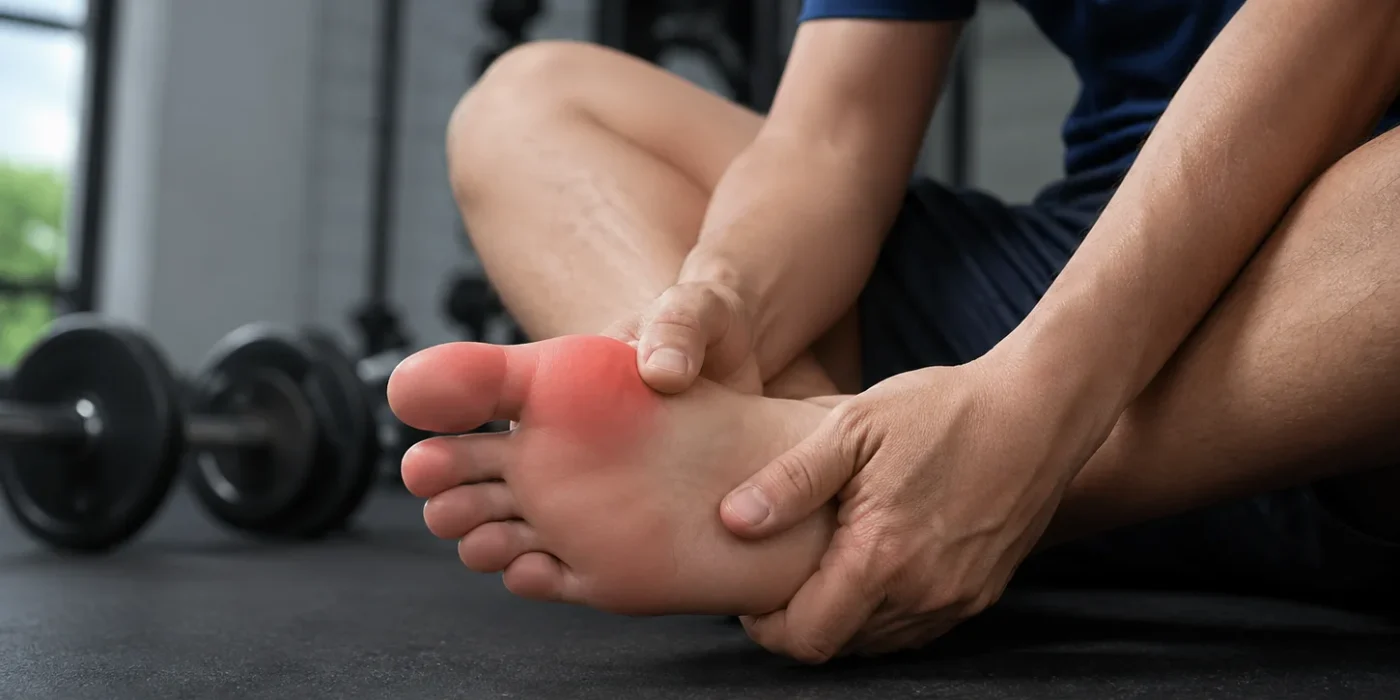
Living with gout means navigating a delicate balance between staying active and protecting your joints from flare-ups. While exercise is essential for managing uric acid levels and maintaining overall health, not all physical activities are created equal when you’re dealing with this painful form of inflammatory arthritis. Understanding which exercises to avoid with gout can be the difference between supporting your recovery and triggering an excruciating attack.
In this comprehensive guide, we’ll explore the movements that put unnecessary stress on inflamed joints, why certain workouts can elevate uric acid levels, and how to modify your fitness routine for long-term joint health—all while discovering how traditional herbal support can complement your active lifestyle.
Understanding Gout and Physical Activity
What Is Gout? Causes and Symptoms
Gout is a complex form of inflammatory arthritis characterized by sudden, severe attacks of pain, swelling, redness, and tenderness in the joints—most commonly affecting the big toe. According to Healthdirect Australia, this condition occurs when uric acid crystals accumulate in the joints, causing intense inflammation. The Australian Institute of Health and Welfare notes that gout affects approximately 1.5% of Australians, with men being three times more likely to develop the condition than women.
The primary cause of gout is hyperuricemia, an elevated level of uric acid in the blood. When uric acid concentrations become too high, sharp, needle-like crystals form in and around joints, triggering the immune system to mount an inflammatory response. Common symptoms include excruciating joint pain that typically peaks within the first 12 hours, lingering discomfort that may last days to weeks, inflammation and redness, and limited range of motion in affected joints.
How Uric Acid Affects Joints and Mobility
Uric acid is a waste product that forms when your body breaks down purines—substances found naturally in your body and certain foods. Under normal circumstances, uric acid dissolves in your blood, passes through your kidneys, and exits your body through urine. However, when your body produces too much uric acid or your kidneys excrete too little, the excess accumulates and crystallizes in your joints.
These microscopic crystals act like shards of glass within the joint space, causing severe inflammation and pain that can make even the lightest touch unbearable. The presence of uric acid crystals triggers white blood cells to attack, releasing inflammatory chemicals that lead to swelling, warmth, and the characteristic red appearance of gouty joints. This inflammatory cascade directly impacts mobility, making weight-bearing activities particularly challenging during flare-ups.
Why Exercise Still Matters for Gout Management
Despite the pain and limitations gout can impose, regular physical activity remains a cornerstone of effective gout management. The Australian Rheumatology Association emphasizes that appropriate exercise helps maintain a healthy weight, which is crucial since obesity is a significant risk factor for elevated uric acid levels and recurrent gout attacks.
Exercise also improves joint flexibility and muscle strength, providing better support for vulnerable joints and reducing the risk of injury. Regular moderate activity has been shown to help regulate uric acid metabolism, improve cardiovascular health (important since gout is associated with increased heart disease risk), enhance overall quality of life, and reduce the frequency and severity of flare-ups when done correctly.
The key is choosing the right types of exercise and timing your activity appropriately—avoiding movements that place excessive stress on already-compromised joints while maintaining enough activity to support metabolic health.
The Link Between Overexertion and Gout Flare-Ups
Overexertion creates a perfect storm for gout attacks through multiple mechanisms. Intense physical activity can temporarily increase uric acid production through the breakdown of ATP (adenosine triphosphate) in muscle cells, leading to elevated purine metabolism. When you push your body too hard, you also risk dehydration—a critical factor since adequate hydration is essential for uric acid excretion through the kidneys.
Research published in medical journals has demonstrated that sudden increases in physical activity intensity can precipitate gout flares, particularly in individuals with borderline-high uric acid levels. The stress response triggered by overexertion may also contribute to inflammation, creating an environment where uric acid crystals are more likely to form and provoke an immune response.
This connection between overexertion and flare-ups doesn’t mean you should avoid exercise altogether—it means you need to approach physical activity strategically, gradually building intensity while respecting your body’s limits and maintaining proper hydration.
Should You Exercise with Gout?
When to Avoid Exercise Completely (During Flare-Ups)
During an active gout attack, your priority should be rest, not exercise. When you’re experiencing a flare-up, the affected joint is inflamed, swollen, and experiencing active crystal-induced inflammation. Any movement or weight-bearing activity during this acute phase can worsen the inflammation, increase pain levels, prolong the duration of the attack, and potentially damage already-stressed joint structures.
The Better Health Channel Victoria recommends complete rest of the affected joint during acute attacks, which typically last 3 to 10 days without treatment, though some severe cases may persist for several weeks. During this period, elevate the affected limb, apply ice packs for 20 minutes several times daily, stay hydrated, and consider traditional herbal support like those offered at Authentic Arthritis Asian Herbs.
Safe Timing: Exercising Between Flare-Ups
The ideal time to exercise when you have gout is during the intercritical period—the symptom-free intervals between flare-ups. During these windows, your joints are not actively inflamed, making it safer to engage in physical activity that supports long-term gout management. Most healthcare professionals recommend waiting until you’ve been pain-free for at least 48 hours after a flare-up subsides before gradually resuming exercise.
Start with gentle movements and low-impact activities, monitoring how your joints respond. If you notice any warning signs—increased warmth, swelling, or discomfort in previously affected joints—scale back immediately. Building a consistent, moderate exercise routine during these pain-free periods can actually help reduce the frequency of future attacks by supporting healthy uric acid metabolism and weight management.
Benefits of Moderate Exercise for Uric Acid Control
Moderate exercise offers remarkable benefits for gout management when approached correctly. Regular physical activity helps reduce serum uric acid levels over time through improved kidney function and enhanced excretion. Studies have shown that individuals who maintain consistent, moderate exercise routines experience fewer gout attacks and better overall disease control.
Exercise also supports weight loss and weight maintenance, which is particularly important since excess body weight is strongly associated with hyperuricemia. For every unit decrease in body mass index (BMI), uric acid levels typically drop, reducing flare-up risk. Additionally, regular activity improves insulin sensitivity, which indirectly influences uric acid metabolism since insulin resistance can reduce uric acid excretion.
The cardiovascular benefits are equally important—people with gout have a higher risk of heart disease, and exercise helps manage this comorbidity. When combined with dietary modifications and traditional herbal remedies like Salica chinensis, moderate exercise becomes a powerful tool in your gout management arsenal.
Risks of Incorrect Exercise Choices
Choosing the wrong exercises can sabotage your gout management efforts and potentially trigger flare-ups. High-impact activities place excessive mechanical stress on joints already vulnerable to uric acid crystal deposition, particularly in weight-bearing joints like the ankles, knees, and feet. This stress can cause microtrauma that promotes inflammation and crystal precipitation.
Exercises that are too intense may temporarily spike uric acid levels, pushing you into the danger zone for crystal formation. Dehydration from vigorous exercise without adequate fluid replacement concentrates uric acid in the blood and reduces kidney excretion efficiency. Repetitive joint stress from activities like long-distance running can cause cumulative damage to cartilage and connective tissue, creating an environment where gout symptoms worsen over time.
Understanding which exercises to avoid with gout and why they’re problematic empowers you to make informed choices that support rather than undermine your joint health.
Exercises to Avoid with Gout
High-Impact Activities (Running, Jumping, Plyometrics)
High-impact exercises are among the most problematic movements for individuals with gout, particularly those who experience attacks in the lower extremities. Activities like running, jumping jacks, box jumps, burpees, and plyometric training create repetitive jarring forces that travel through your feet, ankles, and knees—the very joints most commonly affected by gout.
Why impact stresses inflamed joints: Each time your foot strikes the ground during running or jumping, your body absorbs a force equivalent to 2-3 times your body weight. For someone weighing 80 kilograms, that’s 160-240 kilograms of impact force per stride. When joints contain uric acid crystals or are recovering from recent inflammation, this repetitive pounding can cause microtrauma to already-compromised structures, triggering the inflammatory cascade that leads to a full-blown attack.
Increased risk of triggering flare-ups: The mechanical stress from high-impact activities can dislodge existing uric acid crystals within the joint space, exposing them to the immune system and initiating an inflammatory response. Additionally, the dehydration that often accompanies these intense workouts concentrates uric acid in the bloodstream, making crystal formation more likely. If you’ve been running regularly and notice increased gout symptoms, it’s time to switch to gentler alternatives.
High-Intensity Workouts (HIIT, Sprint Training)
High-intensity interval training (HIIT) and sprint-based workouts have become enormously popular for their efficiency and metabolic benefits, but they pose specific risks for people managing gout. These workouts push your body to maximum exertion in short bursts, creating metabolic conditions that can elevate uric acid levels.
How intense exertion may raise uric acid levels: During high-intensity exercise, your muscles rapidly break down ATP for energy. This process produces adenosine and other purine compounds that are metabolized into uric acid. Research has shown that serum uric acid levels can spike significantly immediately following intense exercise, particularly in individuals who already have elevated baseline levels. The lactate produced during anaerobic exercise can also compete with uric acid for excretion in the kidneys, temporarily reducing the body’s ability to eliminate excess uric acid.
When intensity becomes counterproductive: While moderate exercise helps manage gout, there’s a threshold beyond which increasing intensity becomes harmful. Sprint intervals, all-out cycling sessions, and maximum-effort circuit training cross this threshold for most gout sufferers. If your workouts leave you completely exhausted, gasping for air, or unable to speak, you’re likely working too hard for optimal gout management. The goal should be sustainable, moderate-intensity activity that you can maintain consistently without triggering metabolic stress.
Heavy Weightlifting and Joint Compression Exercises
Lifting heavy weights and performing exercises that place significant compressive forces on joints can exacerbate gout symptoms and increase flare-up risk. Movements like heavy squats, deadlifts with maximum loads, leg presses with excessive weight, and overhead pressing with poor form all fall into this category.
Strain on affected joints (toes, knees, ankles): When you load a barbell onto your shoulders for a squat or grip a heavy barbell for a deadlift, tremendous force travels through your lower body joints. If you’ve experienced gout in your big toe, the pressure from pushing off the ground during these exercises can aggravate the joint. Similarly, heavy loads on knees and ankles—common gout sites—can compress existing crystals deeper into joint cartilage and surrounding tissues.
Risk of worsening inflammation: The mechanical stress from heavy resistance training triggers an inflammatory response as part of normal muscle adaptation. While this is typically beneficial for healthy individuals, in someone with gout, it can amplify existing inflammation or reactivate recently dormant crystals. The combination of physical compression, increased metabolic byproducts, and potential dehydration from intense lifting sessions creates a problematic environment for gout-prone joints.
This doesn’t mean you must avoid strength training entirely—low-to-moderate resistance training with proper form can actually benefit joint health when done correctly.
Repetitive Joint Stress Movements
Activities that repeatedly stress the same joints through identical movement patterns pose cumulative risks for gout sufferers. Long-distance running, basketball, tennis, soccer, and racquet sports all involve repetitive impact and directional changes that concentrate stress on specific joints.
Long-distance running or repetitive impact sports: Marathon training and regular long-distance running accumulate thousands of impact repetitions over single sessions. Even if each individual strike isn’t severe enough to trigger a flare-up, the cumulative effect of this repetitive trauma can gradually degrade joint health, thin protective cartilage, and create microfractures in bone that promote crystal deposition.
Sports that overload the same joint repeatedly: Court sports like tennis and basketball involve sudden lateral movements, quick pivots, and explosive jumps that repeatedly stress the ankles, knees, and feet. Each match or practice session subjects these joints to hundreds of high-stress moments. For someone with gout, these repetitive demands can eventually overwhelm the joint’s capacity to recover, leading to chronic low-grade inflammation that makes flare-ups more likely and more severe.
If you’re passionate about these activities, consider reducing frequency, duration, and intensity while incorporating more variety into your exercise routine to distribute stress across different joints.
Prolonged Standing or Walking During Flare-Ups
While walking is generally one of the safest exercises for gout sufferers between attacks, prolonged weight-bearing activity during or immediately after a flare-up can significantly worsen your condition and delay recovery.
Why weight-bearing worsens pain: During a gout attack, your affected joint is acutely inflamed with active immune cell infiltration and inflammatory chemical release. Every minute spent standing or walking forces you to bear weight on an already-compromised joint, compressing inflamed tissues and potentially crushing uric acid crystals deeper into the joint space. This mechanical aggravation intensifies pain signals and can extend the duration of the attack from days to weeks.
Importance of rest during acute attacks: Medical guidelines consistently emphasize complete rest of the affected joint during acute gout episodes. This means using crutches if the attack is in your foot or ankle, avoiding stairs when possible, and minimizing walking to only absolutely necessary movements. Resting allows inflammatory processes to resolve naturally, prevents further crystal precipitation, and gives damaged tissues time to heal without continuous mechanical stress.
Even after the acute pain subsides, resume walking gradually—start with short distances on flat surfaces before attempting longer walks or challenging terrain.
Sudden or Explosive Movements
Exercises involving rapid acceleration, deceleration, or explosive force generation pose unique risks for gout sufferers. Box jumps, Olympic lifting variations like cleans and snatches, sprinting from a standstill, and ballistic stretching all fall into this category.
Increased injury risk: Sudden movements require maximum muscle activation and joint stabilization in milliseconds. If you have gout-related joint damage, reduced flexibility from past flare-ups, or subtle weakness from avoiding activity during painful periods, your joints may not be able to handle these explosive demands safely. This increases your risk of sprains, strains, and traumatic joint injuries that can trigger secondary gout flares.
Potential to aggravate crystal deposits: The rapid change in joint pressure and position during explosive movements can mechanically disturb existing uric acid crystal deposits, even if they’ve been relatively stable. Think of it like shaking a snow globe—the sudden movement can dislodge settled particles (crystals) and set off the inflammatory cascade. Additionally, the metabolic demands of explosive exercise create the same uric acid-raising conditions as other high-intensity activities.
For functional fitness and power development, substitute explosive movements with controlled, deliberate alternatives that build strength without the jarring impact.
Exercises to Modify (Not Fully Avoid)
Jogging → Replace with Brisk Walking
If you enjoy jogging for cardiovascular fitness, you don’t necessarily need to give it up entirely—but you should strongly consider replacing it with brisk walking, especially during periods of active gout management. Brisk walking provides similar cardiovascular benefits to light jogging, burns calories to support weight management, maintains lower extremity strength and endurance, and produces minimal joint impact compared to running.
The key is maintaining an intensity that elevates your heart rate to 50-70% of maximum (a pace where you can still hold a conversation but feel slightly breathless) without the repetitive pounding of jogging. Walking on soft surfaces like grass or dirt trails further reduces joint stress compared to concrete or asphalt. You can increase intensity by incorporating gentle hills, extending duration rather than speed, or using Nordic walking poles to engage your upper body while reducing lower body load.
Many people find that consistent brisk walking actually provides better gout management outcomes than sporadic jogging because they can sustain it daily without triggering flare-ups.
Traditional Gym Workouts → Switch to Low-Load Resistance
Standard gym routines often emphasize progressive overload with increasingly heavy weights—an approach that doesn’t align well with gout-friendly exercise. Instead, modify your resistance training to focus on higher repetitions with lighter loads, bodyweight exercises with controlled tempo, resistance bands and cables that provide joint-friendly resistance, and machines that offer stable, guided movement patterns.
Low-load resistance training (typically 30-50% of your one-rep maximum for 12-20 repetitions) still builds muscle strength and endurance while placing far less compressive stress on joints. This approach maintains muscle mass to support joint stability, improves muscular endurance for daily activities, and allows for more frequent training sessions since recovery demands are lower.
Circuit-style workouts with bodyweight movements or light dumbbells can provide an effective full-body stimulus without the peak stress on gout-prone joints that heavy barbell work produces.
Competitive Sports → Adjust Intensity and Frequency
If you participate in competitive sports like tennis, basketball, or recreational leagues, complete avoidance may feel unrealistic and negatively impact your mental health and social connections. The solution is thoughtful modification rather than elimination.
Reduce competitive intensity by focusing on technique and enjoyment rather than winning at all costs, which naturally decreases the explosive, all-out efforts that stress joints. Limit frequency to 1-2 sessions per week rather than daily play, allowing adequate recovery time between matches. Shorten duration by playing fewer games or shorter matches to reduce cumulative joint stress. Choose recreational or social leagues over highly competitive ones where the pace and intensity are more controlled.
During off-court time, incorporate complementary exercises that address the specific demands of your sport without the competitive pressure—swimming for cardiovascular fitness, gentle strength training for power, and flexibility work for mobility.
Long Workouts → Break into Shorter Sessions
Marathon training sessions can elevate uric acid levels through sustained metabolic stress and progressive dehydration. If you’re accustomed to 60-90 minute workouts, consider splitting them into two or three shorter sessions throughout the day.
Research shows that two 20-minute moderate-intensity walks provide similar metabolic benefits to one 40-minute walk, with potentially better uric acid management since you’re not maintaining elevated stress levels for extended periods. Shorter sessions also allow for better hydration management, reduce cumulative joint stress, and fit more easily into daily schedules, improving adherence.
This approach is particularly valuable if you’re trying to increase weekly exercise volume—adding shorter sessions is safer than extending already-long workouts.
Why Certain Exercises Trigger Gout Flare-Ups
Increased Uric Acid from Intense Activity
The relationship between exercise intensity and uric acid production is well-documented in research literature. During high-intensity exercise, your muscles use ATP at an accelerated rate for energy. When ATP breaks down, it produces adenosine, which is further metabolized through purine pathways into uric acid. This process is normal and happens to everyone during exercise, but in individuals with gout or borderline hyperuricemia, it can push uric acid levels beyond the threshold for crystal formation.
Additionally, intense exercise produces lactate (lactic acid), which competes with uric acid for excretion through the kidneys. When lactate levels are high, less uric acid gets eliminated, causing temporary spikes in blood uric acid concentration. For someone already managing elevated levels, this combination of increased production and decreased excretion can be enough to precipitate crystal formation and trigger a flare-up within hours or days of the workout.
The solution isn’t avoiding exercise but finding the intensity sweet spot where you gain fitness benefits without exceeding your metabolic capacity to handle uric acid.
Joint Trauma and Micro-Inflammation
Even without a full gout attack, exercise-induced microtrauma can create conditions favorable for crystal deposition and flare-ups. High-impact and repetitive-stress exercises cause microscopic damage to cartilage, bone, and synovial tissue. This damage triggers a localized inflammatory response as part of normal tissue repair.
In healthy individuals, this inflammation resolves quickly and contributes to adaptation. However, in someone with elevated uric acid, the inflammatory environment can actually promote crystal precipitation. Inflammation alters the local pH and protein composition of joint fluid, conditions that favor uric acid crystallization. Additionally, the white blood cells recruited to repair exercise-induced damage may encounter and react to existing subclinical crystal deposits, escalating a minor inflammatory response into a full-blown attack.
This mechanism explains why flare-ups sometimes occur 24-48 hours after exercise rather than immediately—it takes time for the inflammatory cascade to fully develop.
Dehydration During Exercise
Dehydration is one of the most preventable triggers for exercise-related gout flares, yet it remains incredibly common. As you exercise, fluid loss through sweat and respiration concentrates uric acid in your blood. According to Australian health guidelines, even mild dehydration (1-2% body weight loss) can impair kidney function and reduce uric acid excretion efficiency.
The problem compounds during longer or more intense workouts, especially in warm weather. When you’re focused on completing a workout, it’s easy to ignore thirst signals or underestimate fluid needs. By the time you feel thirsty, you’re already mildly dehydrated, and uric acid concentration has increased.
The concentration effect is particularly pronounced when combined with increased uric acid production from exercise metabolism. You’re simultaneously creating more uric acid and reducing your body’s ability to eliminate it—a perfect storm for crystal formation. This is why proper hydration before, during, and after exercise is absolutely critical for gout management.
Poor Recovery and Overtraining
Overtraining syndrome occurs when exercise stress exceeds your body’s recovery capacity, leading to accumulated fatigue, declining performance, and increased inflammation. For individuals with gout, chronic overtraining creates a persistent inflammatory state throughout the body that can make joints more susceptible to uric acid crystal deposition.
Inadequate recovery also impairs kidney function over time. The kidneys play the central role in uric acid excretion, and when you don’t allow sufficient recovery between workouts, you maintain elevated stress hormone levels (cortisol, catecholamines) that can interfere with normal kidney filtration. Sleep deprivation, another component of poor recovery, has been specifically linked to increased gout risk in research studies.
Signs you may be overtraining include persistent muscle soreness lasting days, declining exercise performance, poor sleep quality, increased resting heart rate, and more frequent minor illnesses. If you’re experiencing these symptoms along with increased gout activity, scaling back your training volume and prioritizing recovery may be more beneficial than pushing through.
Safer Alternatives to High-Risk Exercises
Low-Impact Cardio (Walking, Cycling, Swimming)
Low-impact cardiovascular activities form the foundation of gout-friendly exercise programs. Walking is accessible, free, and can be done almost anywhere while producing minimal joint stress. Studies show that regular walking helps manage weight, improves cardiovascular health, and may help regulate uric acid levels when combined with proper hydration.
Stationary or outdoor cycling provides an excellent cardiovascular workout while seated, removing weight-bearing stress from ankles and feet. The circular pedaling motion maintains joint mobility without impact, and you can easily adjust intensity by changing resistance or speed. Swimming and water aerobics are perhaps the most joint-friendly options available—the buoyancy of water supports your body weight while providing gentle resistance for muscle strengthening.
These activities allow you to accumulate substantial weekly exercise minutes without the cumulative trauma of running or high-impact sports. Aim for 150 minutes of moderate-intensity low-impact cardio per week, as recommended by Australian health guidelines, divided into manageable sessions.
Water-Based Exercises for Joint Relief
Exercising in water offers unique advantages for people with gout beyond simple low-impact cardio. The hydrostatic pressure of water immersion helps reduce joint swelling, provides natural compression that supports circulation, creates omnidirectional resistance for muscle strengthening, and allows for greater range-of-motion exercises without pain.
Aqua aerobics classes designed for arthritis sufferers incorporate movements that would be impossible or painful on land. The water’s buoyancy allows you to jump, run, and perform dynamic movements without the jarring impact that would trigger gout symptoms. Water walking in a pool (particularly in waist-to-chest-deep water) provides an excellent cardiovascular workout while reducing joint load by up to 75%.
Many Australian community centers and physiotherapy clinics offer heated pool programs specifically designed for people with arthritis and gout. The warm water temperature (typically 32-34°C) further enhances muscle relaxation and joint comfort during exercise.
Gentle Strength Training for Joint Support
Contrary to the heavy weightlifting that should be avoided, gentle strength training with appropriate loads actually benefits gout management by improving joint stability and supporting healthy body composition. Building muscle around vulnerable joints provides better shock absorption and reduces direct stress on joint surfaces.
Focus on exercises like resistance band exercises for all major muscle groups, bodyweight movements performed with controlled tempo, light dumbbell work (2-5kg) with higher repetitions, and isometric holds that strengthen without moving inflamed joints. This type of training maintains muscle mass during periods when you might be less active due to flare-up concerns, supports metabolic health and weight management, and improves functional strength for daily activities.
Perform strength exercises 2-3 times weekly, allowing at least one rest day between sessions to ensure adequate recovery. Always stop if you experience joint pain beyond normal muscle fatigue.
Flexibility Exercises (Yoga, Stretching)
Maintaining and improving flexibility is crucial for gout management, as stiff joints are more vulnerable to injury and may be more susceptible to crystal deposition. Gentle yoga practices like Hatha or Yin yoga emphasize sustained, comfortable stretches that improve joint range of motion, promote relaxation and stress reduction, and enhance body awareness to recognize early flare-up signs.
Static stretching routines targeting major muscle groups help maintain mobility without stressing joints. Hold stretches for 20-30 seconds in a comfortable position—never stretch to the point of pain, especially in joints affected by gout. Morning stretching routines can be particularly beneficial for addressing the stiffness that often accompanies gout.
Flexibility work also supports better exercise form in other activities, reducing injury risk and abnormal joint stress patterns that might contribute to gout symptoms.
Tai Chi and Controlled Movement Practices
Tai Chi, an ancient Chinese martial art characterized by slow, flowing movements, has emerged as an ideal exercise for people with arthritis and gout. Research published by Australian health institutions has shown that regular Tai Chi practice improves balance and reduces fall risk, enhances joint flexibility and muscle strength, reduces pain and stiffness in arthritis, and promotes mental relaxation and stress management.
The gentle, controlled movements keep joints mobile without impact or excessive range of motion that might trigger pain. The weight-shifting component provides mild weight-bearing stimulus for bone health while remaining completely manageable even during recovery from recent flare-ups. Many community centers and senior centers across Australia offer Tai Chi classes suitable for beginners.
Similar movement practices like Qigong and gentle Pilates provide comparable benefits with slightly different approaches, allowing you to find the practice that best suits your preferences and capabilities.
Herbal Support for Active Individuals with Gout
Role of Traditional Herbs in Reducing Joint Stress
For centuries, traditional Asian medicine has recognized the connection between natural herbs and joint health, particularly for those suffering from inflammatory conditions like gout. At Authentic Arthritis Asian Herbs, we understand that managing gout requires a holistic approach—one that combines smart exercise choices with traditional remedies that support your body’s natural processes.
Traditional herbs work synergistically with physical activity by supporting the body’s response to joint stress, promoting healthy circulation and joint comfort, enhancing tissue resilience during recovery, and providing support that has been valued for generations in Asian wellness traditions. When you’re actively managing gout while trying to maintain fitness, these herbs can complement your exercise routine when used as part of a comprehensive approach to joint health.
The key is choosing herbs backed by centuries of traditional use and selecting formulations specifically valued in traditional practices for joint support.
Salica chinensis for Circulation and Inflammation
Salica chinensis has been valued in traditional medicine for its use in supporting healthy circulation throughout the body. For active individuals with gout, the traditional applications of this herb include supporting circulation for nutrient delivery to joints, being used traditionally to support the body’s natural response to discomfort, and helping maintain comfort during recovery periods.
In traditional practice, Salica chinensis has been used to support joint comfort and mobility. When incorporated into your wellness routine, this herb may complement your exercise program by supporting your body’s natural recovery processes. This herb is particularly valued in traditional medicine when rebuilding fitness after periods of joint discomfort.
Eucommia Bark for Joint Strength and Flexibility
Eucommia Bark stands out as one of the most valued herbs in traditional medicine for supporting joint integrity. In Traditional Chinese Medicine, Eucommia is known for “tonifying the kidneys and strengthening bones”—traditional concepts that relate to musculoskeletal resilience and overall joint support.
For someone navigating exercises to avoid with gout while trying to stay active, Eucommia Bark has been traditionally used for supporting joint comfort, maintaining healthy connective tissues, and promoting flexibility and mobility. The herb’s traditional applications focus on supporting tissue health, which may be valuable when you’re transitioning from rest after a flare-up back to regular activity.
Users consistently report improved mobility and comfort—benefits that make it easier to maintain the consistent, moderate exercise routine essential for long-term gout management. At Authentic Arthritis Asian Herbs, we harness the traditional wisdom of herbs like Eucommia Bark to support those living with joint discomfort.
Strychnos and Anamirta cocculus for Mobility Support
Two herbs valued in traditional practice—Strychnos and Anamirta cocculus—have been used together in traditional formulations to support mobility and joint comfort. These herbs have been traditionally employed to support comfortable movement, promote joint lubrication and flexibility, and help address stiffness that can interfere with daily activities.
For individuals with gout, maintaining good mobility between flare-ups is essential for adhering to a regular exercise program. When your joints feel stiff and uncomfortable even when you’re not having an active attack, you’re less likely to engage in the beneficial low-impact activities that support long-term management. In traditional practice, Strychnos and Anamirta cocculus have been valued for helping joints feel more comfortable and responsive.
These herbs are particularly valued in traditional medicine for morning stiffness—a common experience among gout sufferers that can interfere with morning exercise routines.
Cryptolepis dubia and Dems scanden in Recovery
Post-exercise recovery is when your body repairs and adapts to training stress. For gout sufferers, supporting this recovery phase is crucial to prevent the accumulated stress that can trigger flare-ups. Cryptolepis dubia and Dems scanden have been traditionally used to support the body’s natural recovery processes, promote healthy circulation for recovery support, and complement the body’s natural healing after physical activity.
When you exercise with gout, you’re balancing beneficial activity with joint protection. These herbs have been valued in traditional practice for supporting recovery and helping the body adapt to regular training. By supporting your body’s natural recovery processes, they may help you exercise more consistently when combined with proper rest and hydration.
Many users find that incorporating these traditional herbs into their post-exercise routine complements their overall wellness approach and supports their commitment to regular physical activity.
Tips for Exercising Safely with Gout
Start Slow and Progress Gradually
One of the most critical principles for exercising with gout is gradual progression. If you’ve been sedentary due to recent flare-ups or fear of triggering attacks, resist the temptation to jump immediately into an ambitious exercise program. Instead, begin with 10-15 minutes of gentle activity daily, increase duration by just 5 minutes per week, and add new exercises or activities one at a time to identify any that cause problems.
This conservative approach gives your joints time to adapt to increased demands while allowing you to monitor your body’s response. It also helps you identify your personal threshold—the intensity or duration beyond which you start experiencing warning signs of an impending flare-up. Everyone’s threshold is different, influenced by baseline uric acid levels, medications, diet, and individual joint vulnerability.
Track your exercise in a simple journal along with any joint symptoms, uric acid levels (if you’re monitoring them), and dietary factors. Over time, you’ll identify patterns that help you optimize your routine for maximum benefit with minimum flare-up risk.
Stay Hydrated to Prevent Uric Acid Build-Up
Proper hydration is non-negotiable for anyone exercising with gout. Water plays an essential role in dissolving uric acid in the blood, facilitating kidney excretion of excess uric acid, and preventing the concentration that leads to crystal formation. Australian health guidelines recommend at least 2-3 liters of fluid daily for adults, with increased needs during exercise.
Practical hydration strategies include drinking 400-500ml of water 2 hours before exercise, consuming 150-200ml every 15-20 minutes during prolonged activity, and rehydrating with 500-750ml in the hour following exercise. Monitor your urine color—it should be pale yellow; dark urine indicates inadequate hydration and increased gout risk.
Avoid excessive alcohol, particularly beer, which raises uric acid levels and can dehydrate you. Similarly, limit sugary drinks, especially those containing high-fructose corn syrup, which has been linked to increased uric acid production. Plain water, herbal teas, and diluted fruit juices are your best options.
Listen to Pain Signals from Your Body
Pain is your body’s warning system, and with gout, learning to interpret different pain signals is crucial for safe exercise. Distinguish between normal muscle fatigue from exercise (a burning or tired sensation that improves with rest) and joint pain from gout activity (sharp, intense pain often accompanied by swelling, warmth, or redness that worsens with continued activity).
If you experience joint pain during exercise, stop immediately. Pushing through joint pain can transform a minor irritation into a full flare-up that sidelines you for weeks. Apply ice, elevate the affected joint, and rest until symptoms completely resolve. If pain persists or worsens over 24-48 hours, consult your healthcare provider.
Also recognize the warning signs that may precede a full attack—increased joint tenderness, mild swelling, subtle changes in skin appearance, or unusual stiffness. When you notice these signs, scale back exercise intensity and duration while increasing rest and hydration. This proactive approach can sometimes prevent a full flare-up from developing.
Maintain a Healthy Weight Through Balanced Activity
Excess body weight significantly increases gout risk by elevating uric acid production and reducing kidney excretion efficiency. However, rapid weight loss can temporarily spike uric acid levels, potentially triggering attacks. The solution is gradual, sustainable weight management through balanced activity and dietary modification.
Aim for a weight loss rate of 0.5-1kg per week if you need to reduce body weight. This pace allows steady uric acid reduction without the dangerous spikes associated with crash dieting or extreme exercise programs. Focus on accumulating moderate-intensity activity throughout the week rather than intense, sporadic sessions. Small, consistent efforts produce better long-term results than dramatic but unsustainable changes.
Combine your exercise program with a gout-friendly diet that emphasizes low-purine foods, adequate hydration, and moderate portions. Weight management is a marathon, not a sprint—particularly when you’re also managing a chronic condition like gout.
Combine Exercise with Diet and Herbal Support
Exercise doesn’t exist in isolation—it’s one component of comprehensive gout management that includes diet, medication (if prescribed), stress management, and traditional wellness approaches. For optimal results, coordinate these elements to support each other.
Dietary considerations for active individuals with gout include consuming protein from low-purine sources like eggs, dairy, and plant proteins, avoiding high-purine foods (organ meats, certain seafood, excessive red meat) particularly around exercise sessions when uric acid levels may already be elevated, and eating plenty of vegetables, fruits, and whole grains that don’t significantly raise uric acid levels. Learn more about comprehensive approaches in our guide to Thai herbal remedies for arthritis relief.
Traditional herbs like those in our formulations can complement exercise by supporting joint comfort during activity, assisting the body’s recovery after workouts, and being valued in traditional practice for overall joint wellness. When exercise, diet, and traditional herbal support work together, you create a comprehensive approach to managing gout while maintaining an active lifestyle.
Common Mistakes to Avoid
Exercising Through Pain or Flare-Ups
Perhaps the single biggest mistake people make when exercising with gout is pushing through pain during or immediately after a flare-up. The “no pain, no gain” mentality that might apply to regular fitness enthusiasts is dangerous and counterproductive for gout management. Exercising on an inflamed joint prolongs the inflammatory process, risks converting a minor flare-up into a severe attack, and can cause lasting damage to joint structures.
Pain during a gout flare-up is different from the mild discomfort of muscle fatigue—it’s a clear signal that uric acid crystals are actively affecting your joint and triggering immune responses. Adding mechanical stress through exercise amplifies this damage exponentially. If you’re experiencing active gout symptoms, your only job is to rest, hydrate, take prescribed medications, and support your body’s healing with appropriate rest and care.
Once symptoms completely resolve (not just improve, but fully resolve), wait an additional 48 hours before resuming exercise, starting at reduced intensity and duration from your previous level.
Jumping Straight into High-Intensity Training
When you’re feeling good between flare-ups, it’s tempting to make up for lost time by diving into ambitious workout programs. This approach almost invariably backfires. Sudden increases in exercise intensity shock your metabolic system, spike uric acid production, stress joints that may still be recovering from subclinical inflammation, and set you up for injury and subsequent flares.
Even if you were previously very fit, any period of reduced activity due to gout requires a rebuilding phase. Start well below your previous exercise level and progress conservatively. If you were running 5km before a flare-up forced you to stop, return to running with 1-2km of walking-jogging intervals, gradually building back over weeks rather than days.
This patience pays dividends in the form of consistent, sustainable exercise habits rather than a cycle of overambitious training followed by flare-ups and forced rest.
Ignoring Proper Warm-Up and Cool-Down
Adequate warm-up and cool-down periods are important for everyone who exercises, but they’re particularly crucial when you have gout. A proper warm-up (5-10 minutes of gentle movement that gradually increases heart rate and blood flow) prepares joints for activity by increasing synovial fluid production, warming muscles and connective tissue for better flexibility, and gradually transitioning your metabolism to higher output.
Cold joints are stiffer, less resilient, and more vulnerable to the microtrauma that can trigger gout flares. Jumping into exercise without warming up is like taking a brittle stick and immediately bending it hard—something is likely to break.
Similarly, the cool-down period (5-10 minutes of gradually decreasing activity intensity) allows heart rate and blood pressure to normalize gradually, helps clear metabolic byproducts including lactate and excess uric acid from working muscles, and reduces the risk of blood pooling and post-exercise stiffness. Take these phases seriously—they’re not optional extras but essential components of gout-friendly exercise.
Overtraining Without Adequate Recovery
In the pursuit of fitness goals or weight management, some people exercise too frequently or intensely without allowing adequate recovery time. This is particularly problematic for gout sufferers, as overtraining creates a chronic inflammatory state that increases flare-up risk.
Recovery days are when your body actually adapts to exercise stress, repairing damaged tissue and building stronger muscles and more resilient joints. Without adequate recovery, you’re just accumulating damage and inflammation. For most people with gout, a sustainable exercise schedule includes 3-5 days of moderate activity per week with complete rest days (or only gentle stretching/walking) in between, adequate sleep (7-9 hours nightly) to support recovery processes, and attention to nutrition and hydration for recovery support.
Listen to your body’s recovery signals. If you’re consistently tired, sore, or experiencing declining performance, you need more recovery time, not more training intensity.
Neglecting Joint-Friendly Exercise Options
Some people become so focused on what they can’t do with gout that they overlook the tremendous variety of effective, joint-friendly exercises available. There’s an unfortunate tendency to think “If I can’t run or lift heavy weights, exercise isn’t worth doing”—a mindset that keeps people sedentary and worsens their gout over time.
The reality is that low-impact options like swimming, cycling, water aerobics, Tai Chi, and brisk walking can provide all the health benefits you need without the joint stress of high-impact activities. In fact, many people find that switching to these gentler modalities actually improves their overall fitness because they can exercise more consistently without flare-up interruptions.
Embrace these alternatives rather than viewing them as inferior substitutes. They’re not “settling”—they’re smart choices that support long-term health and sustainable activity levels despite gout.
When to Seek Professional Guidance
Persistent Pain Despite Exercise Adjustments
If you’ve modified your exercise routine according to gout-friendly principles—avoiding high-impact activities, staying hydrated, allowing adequate recovery—but still experience persistent joint pain or frequent flare-ups, it’s time to seek professional evaluation. Persistent symptoms despite appropriate modifications may indicate inadequate medical management with a need for medication adjustment, underlying complications like joint damage requiring intervention, or other contributing factors not addressed by exercise changes alone.
Don’t accept chronic pain as inevitable. With proper medical management, most people with gout can achieve excellent symptom control and maintain active lifestyles. Your healthcare provider can assess whether your current treatment plan needs adjustment.
Frequent or Severe Gout Attacks
If you experience gout attacks more than two or three times annually despite exercise modifications and dietary changes, or if attacks are particularly severe, prolonged (lasting beyond 10-14 days), or affecting multiple joints simultaneously, you need professional intervention beyond lifestyle adjustments. Frequent attacks indicate inadequate uric acid control, which may require urate-lowering medications like allopurinol or febuxostat.
According to the Royal Australian College of General Practitioners, the goal of gout treatment is to prevent attacks entirely, not just manage them when they occur. If your current approach isn’t achieving this goal, work with your healthcare provider to develop a more comprehensive treatment strategy that may include medications alongside exercise and dietary interventions.
Working with Physiotherapists or Herbal Practitioners
Physiotherapists with experience in arthritis management can provide invaluable guidance for developing gout-friendly exercise programs. They can assess your specific joint limitations, design customized exercise prescriptions, teach proper form to minimize joint stress, and identify muscle imbalances or movement patterns that might increase gout risk.
Similarly, qualified practitioners familiar with traditional herbal remedies can help you navigate options like those offered at Authentic Arthritis Asian Herbs to complement your medical treatment and exercise program. They can recommend specific herb combinations valued in traditional practice for your unique situation, advise on proper use and timing for best results, and monitor your response to herbal support. The combination of professional physiotherapy guidance and traditional herbal knowledge creates a comprehensive approach that addresses gout from multiple angles.
Integrating Conventional and Herbal Care
The most effective gout management often combines conventional medical treatment with traditional herbal remedies and lifestyle modifications. Don’t view these approaches as competing alternatives—they work synergistically when properly integrated. Your medical doctor can manage uric acid levels through medications and monitor for complications, while traditional remedies provide support valued for generations in Asian wellness traditions.
Always inform all your healthcare providers about every treatment you’re using, including herbal supplements, to ensure safe, coordinated care. Some herbs may interact with conventional medications, so professional oversight ensures you benefit from both approaches without contraindications. Most healthcare providers appreciate when patients take an active, informed role in their treatment, combining evidence-based medicine with time-honored traditional approaches.
Managing Gout While Staying Active with Traditional Support
Living an active lifestyle with gout requires wisdom, patience, and the right support systems. Understanding which exercises to avoid with gout—high-impact activities, intense HIIT workouts, heavy weightlifting, and repetitive joint-stress movements—protects your joints from unnecessary damage and reduces flare-up risk. Equally important is knowing the safe alternatives that keep you fit without compromising your joint health: low-impact cardio, water-based exercises, gentle strength training, and controlled movement practices like Tai Chi.
The journey to optimal gout management doesn’t require choosing between staying active and protecting your joints. With smart exercise selection, proper hydration, gradual progression, and attention to your body’s signals, you can maintain fitness and even improve your gout symptoms over time. When you combine these exercise principles with dietary modifications and the traditional support of Asian herbs valued for centuries like Salica chinensis, Eucommia Bark, and the comprehensive traditional formula at Authentic Arthritis Asian Herbs, you create a holistic approach that supports joint wellness and keeps you moving comfortably.
At Authentic Arthritis Asian Herbs, we understand the challenges of staying active while managing gout. Our traditional herbal formulations draw on centuries of Asian wellness wisdom, providing support for those seeking to maintain joint comfort and mobility. Whether you’re just beginning to rebuild fitness after a flare-up or maintaining an established routine while managing chronic gout, our products can complement your efforts with time-honored herbal traditions valued across generations.
These herbs have been used traditionally in Asian medicine to support joint comfort, promote healthy circulation, and assist the body’s natural recovery processes. While individual results may vary, many users value these traditional formulations as part of their comprehensive approach to joint wellness. Browse our selection today and discover how traditional herbal support might complement your journey toward staying active, comfortable, and in control of your gout management—naturally, gently, and in harmony with your body’s needs.