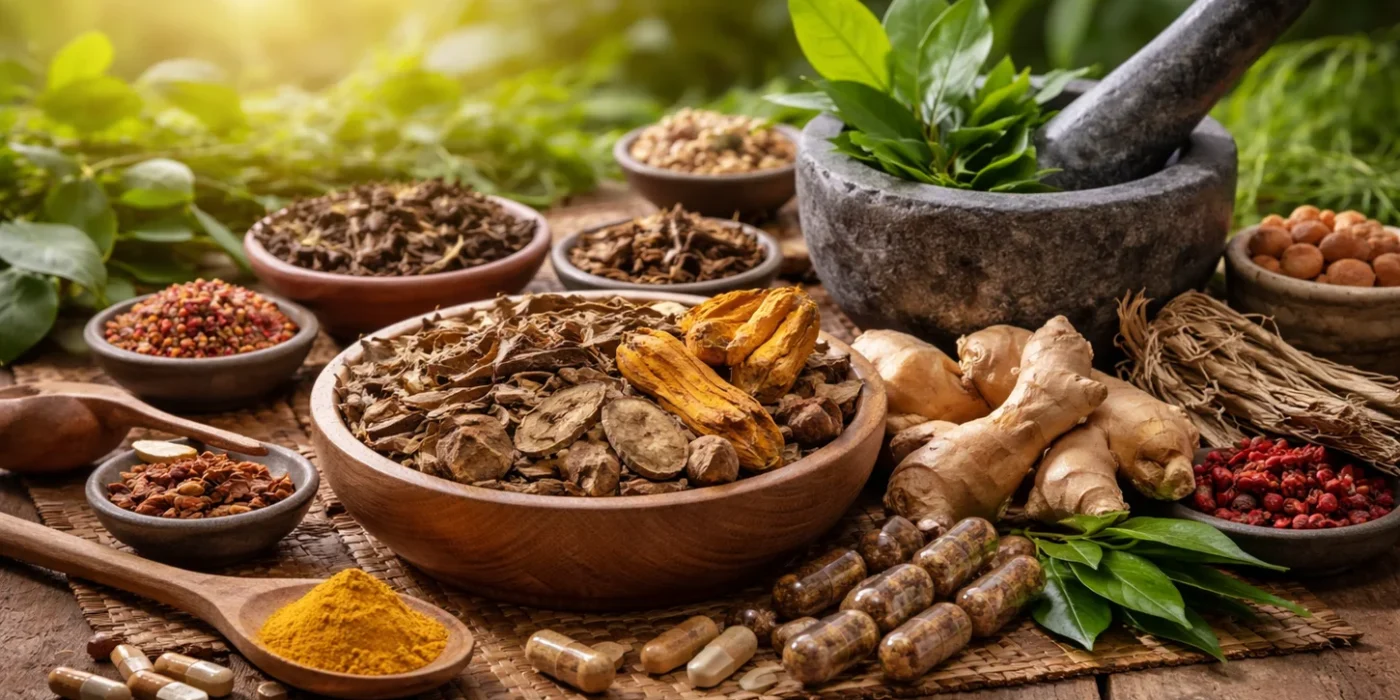
Natural remedies for knee osteoarthritis offer gentle, plant-based support that works with your body’s healing processes rather than merely masking symptoms. For thousands of people living with knee pain, stiffness, and reduced mobility, traditional Asian herbal medicine provides a time-honored pathway to comfort and improved joint function—one that complements modern wellness approaches while honoring centuries of therapeutic wisdom.
Understanding Knee Osteoarthritis
What Is Osteoarthritis of the Knee?
Osteoarthritis is the most common form of arthritis affecting the knee joint, occurring when the protective cartilage that cushions the ends of bones gradually wears down over time. Unlike rheumatoid arthritis, which is an autoimmune condition, knee osteoarthritis is primarily a degenerative joint disease that results from wear and tear, age-related changes, and structural stress on the knee joint.
The knee is particularly vulnerable because it bears much of your body weight while allowing complex movements—bending, straightening, twisting, and absorbing impact during walking or running. When the cartilage deteriorates, bones may begin to rub against each other, causing pain, swelling, and reduced mobility that can significantly impact daily life.
Common Causes and Risk Factors
Several factors increase your likelihood of developing knee osteoarthritis. Age is one of the most significant risk factors, as cartilage naturally becomes less resilient over time. However, osteoarthritis isn’t simply an inevitable part of aging—many younger individuals develop the condition due to specific risk factors.
Key risk factors include:
- Previous knee injuries or trauma (ligament tears, meniscus damage, fractures)
- Repetitive stress from certain occupations or sports
- Excess body weight, which increases pressure on knee joints
- Genetic predisposition and family history
- Joint misalignment or structural abnormalities
- Muscle weakness around the knee, particularly in the quadriceps
- Gender (women are more likely to develop osteoarthritis after age 50)
Understanding these risk factors helps you make informed choices about prevention and management strategies that may slow the progression of knee osteoarthritis.
Key Symptoms: Pain, Stiffness & Reduced Mobility
The symptoms of knee osteoarthritis typically develop gradually and worsen over time. Many people notice their knee feels stiff first thing in the morning or after periods of sitting, with this stiffness usually easing after movement. Pain may be mild initially but can progress to constant discomfort that interferes with sleep and daily activities.
Common symptoms include:
- Pain that worsens with activity and improves with rest (early stages)
- Morning stiffness lasting 30 minutes or less
- Joint tenderness when applying pressure
- Reduced flexibility and range of motion
- A grating sensation or sound (crepitus) when moving the knee
- Bone spurs (extra bits of bone) that feel like hard lumps
- Swelling around the joint due to inflammation or excess fluid
- Weakness or instability—feeling like your knee might “give way”
These symptoms can vary significantly from person to person, and understanding your specific symptom pattern is essential for choosing appropriate natural remedies for knee osteoarthritis.
Why Choose Natural & Traditional Herbal Support
How Western Medicines vs. Natural Herbs Work
Western pharmaceutical approaches to knee osteoarthritis typically focus on symptom management through pain relief and inflammation reduction. Non-steroidal anti-inflammatory drugs (NSAIDs) like ibuprofen work by blocking enzymes that produce inflammatory compounds, providing relatively fast relief but potentially causing digestive issues, cardiovascular risks, and kidney concerns with long-term use.
Natural herbs, by contrast, work more gently and holistically. Rather than blocking a single biochemical pathway, traditional herbal remedies often contain multiple active compounds that work synergistically to support joint health, reduce inflammation, improve circulation, and nourish connective tissues. This multi-targeted approach may take longer to show effects, but it often provides more sustainable benefits with fewer adverse reactions.
The traditional herbal perspective also considers the person as a whole—addressing underlying imbalances that may contribute to joint degeneration, rather than simply suppressing pain signals. This philosophy aligns with growing recognition in modern medicine that chronic conditions benefit from integrative approaches that support the body’s inherent healing capacity.
Benefits of Herbal Approaches for Long-Term Joint Care
Herbal remedies offer several distinct advantages for individuals seeking sustainable joint support. First, they’re generally well-tolerated for extended use, making them suitable for chronic conditions like knee osteoarthritis that require ongoing management. Unlike some pharmaceutical options that may lose effectiveness over time or create dependency, many traditional herbs maintain their benefits with consistent use.
Second, herbal approaches often provide multiple therapeutic actions simultaneously. A single herb might reduce inflammation while also supporting cartilage health, improving circulation, and providing antioxidant protection—creating a comprehensive support system for joint wellness.
Third, natural remedies integrate seamlessly with lifestyle modifications like anti-inflammatory nutrition, gentle exercise, and stress management. This holistic framework addresses the multifaceted nature of knee osteoarthritis more effectively than isolated interventions.
Finally, traditional herbs have been refined through centuries of empirical observation, with usage patterns that minimize risks while maximizing benefits. This accumulated wisdom offers valuable guidance for safe, effective application.
Tradition Meets Evidence: Asian Herbal Medicine Perspective
Asian herbal medicine systems—including Traditional Chinese Medicine, Thai traditional medicine, and other regional practices—view knee osteoarthritis through a different lens than Western biomedicine. Rather than seeing it purely as mechanical wear and tear, these traditions recognize patterns of imbalance that manifest as joint pain and stiffness.
In Traditional Chinese Medicine, knee problems are often linked to kidney and liver meridian weakness, since these organ systems are believed to govern bone health, tendon strength, and joint lubrication. Herbs are selected not just for anti-inflammatory effects but for their ability to “tonify” these systems and restore balance.
Modern research is increasingly validating these traditional approaches. Studies on herbs like Eucommia Bark have identified specific compounds—lignans, iridoids, and flavonoids—that demonstrate measurable effects on inflammation, cartilage protection, and bone metabolism. This convergence of traditional wisdom and scientific investigation creates a compelling foundation for natural remedies for knee osteoarthritis.
Traditional Asian Herbs for Knee Osteoarthritis Relief
Eucommia Bark (Du Zhong) — For Tendon, Ligament & Bone Strength
Eucommia Bark holds a revered position in Traditional Chinese Medicine as a premier herb for strengthening the structural foundation of joints. Known as Du Zhong, this bark has been used for over 2,000 years to support bone density, enhance tendon resilience, and improve ligament integrity—all critical factors for maintaining healthy knee function.
Traditionally, Eucommia Bark is believed to tonify the kidney and liver meridians, which govern the body’s musculoskeletal system according to Chinese medical theory. This “tonifying” action translates into improved structural support for joints under stress, making it particularly valuable for individuals whose knee osteoarthritis involves instability or weakness around the joint.
The bark contains bioactive compounds including lignans and iridoids that have demonstrated potential in supporting cartilage health and reducing inflammatory responses. For long-term joint care, Eucommia Bark is often included in formulations designed to slow degeneration while providing gentle, sustained support for knee comfort and mobility.
Salica chinensis — For Inflammatory Support & Comfort
Salica chinensis serves as a gentle anti-inflammatory herb traditionally used throughout Asia for soothing joint discomfort. Unlike aggressive pharmaceutical interventions, Salica chinensis works gradually to support the body’s natural inflammatory balance, making it suitable for long-term use without harsh side effects.
Traditional practitioners have long valued this herb for its ability to address both acute flare-ups and chronic low-grade inflammation that characterizes knee osteoarthritis. By supporting healthy inflammatory responses in joint tissues, Salica chinensis may help reduce swelling, ease stiffness, and improve comfort during daily activities.
The herb is particularly appreciated for its mildness, which allows it to be combined with other botanicals in comprehensive joint support formulations. This makes it an excellent foundation herb for those seeking natural remedies for knee osteoarthritis that can be used consistently over months or years.
Cryptolepis dubia — For Persistent Joint Discomfort
Cryptolepis dubia addresses the chronic, persistent nature of knee osteoarthritis that affects so many individuals. Traditionally used in Asian herbal medicine for musculoskeletal conditions that resist simple remedies, this herb offers support for the deep, aching discomfort that characterizes long-standing joint problems.
In traditional practice, Cryptolepis dubia is selected for cases where inflammation has become entrenched, contributing to ongoing tissue stress and pain. Its traditional applications suggest benefits for immune-inflammatory balance, which is increasingly recognized as important in chronic joint conditions.
This herb exemplifies the traditional approach of matching specific botanicals to particular symptom patterns. For individuals whose knee osteoarthritis involves constant, gnawing discomfort rather than sharp, acute pain, Cryptolepis dubia may offer particularly relevant support.
Anamirta cocculus — For Pain Modulation in Joint Flare-Ups
Anamirta cocculus has a unique traditional role in addressing the nerve-related aspects of joint pain. When knee osteoarthritis produces not just mechanical discomfort but also nerve sensitivity and radiating pain patterns, this herb may offer valuable support.
Traditional Asian herbalists have used Anamirta cocculus in carefully controlled formulations for its potential effects on pain perception and nerve function. This makes it particularly relevant during flare-ups when pain seems disproportionate to physical findings, or when discomfort disrupts sleep and daily function.
Because of its potency, Anamirta cocculus is always used within traditional formulations where it’s balanced by complementary herbs. This traditional wisdom ensures safe, effective application while maximizing its potential benefits for pain modulation.
Dracaena conferta — For Circulatory & Mobility Support
Dracaena conferta addresses an often-overlooked aspect of knee osteoarthritis: impaired circulation around affected joints. Traditional herbalists recognized that stagnant blood flow contributes to pain, stiffness, and slow healing, making circulation support essential for comprehensive joint care.
This herb is traditionally used to improve blood flow to joint tissues, which may support the delivery of nutrients needed for repair while helping remove inflammatory metabolites. Better circulation can translate into reduced morning stiffness, improved range of motion, and enhanced responsiveness to other therapeutic interventions.
Dracaena conferta also has traditional associations with supporting mobility and flexibility—qualities that become increasingly precious as knee osteoarthritis progresses. By addressing circulatory factors that contribute to joint stiffness, this herb complements structural and anti-inflammatory approaches to create more complete support.
Dems scanden — For Connective Tissue Support
Dems scanden offers dual benefits for individuals managing knee osteoarthritis—supporting connective tissue health while also contributing to mental clarity. The connective tissue aspect is particularly valuable, as tendons, ligaments, and fascial structures around the knee all play crucial roles in joint stability and function.
Traditional use suggests that Dems scanden helps maintain flexibility and resilience in these supportive structures, which may reduce compensatory strain patterns that develop as the body adjusts to knee pain. Healthy, supple connective tissues allow for better movement mechanics, potentially slowing the progression of joint degeneration.
The mental clarity benefits shouldn’t be overlooked either. Chronic pain often creates mental fatigue and foggy thinking that compound the challenges of daily life. By supporting both joint health and cognitive function, Dems scanden addresses two significant concerns for people living with knee osteoarthritis.
Strychnos — Used in Traditional Contexts for Stiffness
Strychnos holds an important place in traditional Asian herbal medicine, particularly for addressing the severe stiffness that can accompany advanced knee osteoarthritis. This herb has significant historical use in tightly controlled traditional formulas, where it’s carefully balanced with other botanicals to ensure safety while maximizing therapeutic benefits.
Traditional practitioners select Strychnos for cases where stiffness significantly limits function—when knees feel locked or frozen, particularly after rest or in the morning. The herb’s traditional applications suggest it may help relax excessive muscle tension and reduce rigidity around affected joints.
Due to its potency, Strychnos is always used in precise amounts within comprehensive formulations, never as an isolated herb. This traditional approach, refined over centuries, allows access to its benefits while minimizing any risks. Modern products that include Strychnos follow these traditional principles, using standardized extracts in carefully calibrated blends.
Thai Herbal Formulation-6 (THF-6)
What Is Thai Herbal Formulation-6 (THF-6)?
Thai Herbal Formulation-6, commonly known as THF-6, represents a classic multi-herb blend that has been used throughout Southeast Asia for generations. Unlike single-herb approaches, THF-6 embodies the traditional Thai medicine principle that combining complementary botanicals creates synergistic effects greater than any individual herb could provide.
This formulation was designed specifically for musculoskeletal support, with particular emphasis on improving joint flexibility and easing discomfort associated with chronic joint conditions. Its comprehensive approach addresses multiple aspects of knee health simultaneously—inflammation, circulation, mobility, and structural support—making it a versatile option for natural remedies for knee osteoarthritis.
THF-6 has been passed down through traditional practitioners and refined over time based on clinical observation and patient outcomes. Today, it continues to be valued both as a standalone approach and as a complement to other herbal interventions.
How THF-6 Supports Knee Osteoarthritis
The traditional uses of THF-6 align closely with the needs of individuals managing knee osteoarthritis. This formulation has been historically employed to:
Soothe joint discomfort by supporting healthy inflammatory responses and reducing tissue irritation that contributes to pain. The multi-herb approach addresses inflammation through several pathways simultaneously, potentially offering more comprehensive relief than single compounds.
Support mobility and flexibility by promoting circulation, reducing stiffness, and helping maintain the suppleness of connective tissues around the knee. Regular use may make daily activities—walking, climbing stairs, bending—more comfortable and less restrictive.
Complement other herbal joint-support approaches by providing a foundation of balanced, multi-targeted support that enhances the effects of more specific interventions. THF-6 can be used alongside individual herbs like Eucommia Bark or Salica chinensis to create comprehensive programs tailored to individual needs.
Key Herbs in THF-6 and Traditional Uses
While the exact composition of THF-6 may vary slightly between traditional formulations, it typically includes herbs known for their complementary effects on joint health. Common components include botanicals that support healthy inflammatory balance, improve blood flow to joint tissues, provide antioxidant protection, and nourish connective structures.
Each herb in the formulation contributes specific traditional actions:
- Some herbs address circulation, ensuring that nutrients reach cartilage and other joint tissues while inflammatory metabolites are efficiently removed
- Others support balanced inflammatory responses throughout the body, reducing the systemic inflammation that can worsen joint symptoms
- Additional components nourish and strengthen connective tissues, helping maintain the structural integrity of tendons, ligaments, and fascial planes around the knee
This synergistic combination creates effects that extend beyond what any single herb could accomplish, exemplifying the traditional wisdom that whole-plant combinations often work more effectively than isolated compounds.
THF-6 in Modern Use
Contemporary use of THF-6 continues to honor traditional principles while incorporating modern quality standards and extraction methods. Many people find that this formulation serves as an excellent foundation for their natural joint support regimen, either used alone or combined with specific herbs targeted to their particular symptom patterns.
THF-6 is particularly valued by those seeking a comprehensive approach that addresses multiple aspects of knee health without requiring numerous separate supplements. The traditional formulation provides balanced support that can be used consistently over long periods, making it suitable for the chronic nature of knee osteoarthritis.
Modern practitioners often recommend THF-6 as part of an integrative wellness strategy that includes appropriate exercise, anti-inflammatory nutrition, and other lifestyle modifications that support joint health.
How These Natural Remedies Work Together
Combining Targeted Herbs for Symptom Support
The art of traditional herbal medicine lies in skillful combination—selecting herbs that complement each other’s actions while addressing different aspects of a complex condition. For knee osteoarthritis, this means creating formulations that simultaneously reduce inflammation, support structural integrity, improve circulation, and modulate pain perception.
For example, combining Eucommia Bark’s structural support with Salica chinensis’s anti-inflammatory effects creates a foundation that addresses both the mechanical and inflammatory aspects of knee osteoarthritis. Adding Dracaena conferta improves circulation, ensuring that other herbs’ active compounds reach affected tissues efficiently. This multi-dimensional approach mirrors the complexity of knee osteoarthritis itself.
Individual herbs can also be selected based on your specific symptom predominance. Someone whose primary complaint is morning stiffness might emphasize circulatory herbs like Dracaena conferta, while someone dealing with persistent pain might benefit more from the nerve-modulating effects of Anamirta cocculus combined with anti-inflammatory support.
Traditional Synergy: Inflammation, Circulation, and Joint Integrity
Traditional herbal medicine recognizes three key therapeutic targets for knee osteoarthritis: inflammation, circulation, and joint integrity. Addressing all three simultaneously creates synergistic effects that exceed what targeting any single aspect could achieve.
Inflammation management reduces pain, swelling, and tissue damage while allowing healing processes to progress. Herbs like Salica chinensis and Cryptolepis dubia support balanced inflammatory responses without suppressing the immune system’s protective functions.
Circulation enhancement ensures that nutrients, oxygen, and herbal compounds reach cartilage and other joint tissues while inflammatory metabolites are efficiently removed. Poor circulation creates a stagnant environment that perpetuates pain and slows healing. Herbs like Dracaena conferta address this crucial but often overlooked factor.
Joint integrity support focuses on strengthening the structural components—bone, cartilage, tendons, and ligaments—that maintain knee function. Herbs like Eucommia Bark provide the nutritive support these tissues need to resist further degeneration and potentially repair existing damage.
When these three therapeutic targets are addressed together, the results often exceed the sum of individual effects, creating the synergy that traditional medicine practitioners have observed for centuries.
Matching Remedies With Your Symptom Pattern
Effective natural treatment requires matching specific herbs to your individual symptom presentation. Knee osteoarthritis manifests differently in different people—some experience primarily morning stiffness that improves with movement, others deal with pain that worsens throughout the day, while still others struggle with instability or giving-way sensations.
For predominant stiffness: Emphasize circulatory herbs like Dracaena conferta and consider including Strychnos-containing formulations that traditionally address rigidity. Combine with gentle movement practices that promote synovial fluid production.
For inflammatory pain and swelling: Focus on anti-inflammatory herbs like Salica chinensis and consider comprehensive formulations like THF-6 that address inflammation through multiple pathways. Support with anti-inflammatory nutrition as outlined in arthritis-friendly superfoods.
For structural instability: Prioritize tonifying herbs like Eucommia Bark that support bone, tendon, and ligament health. Combine with appropriate strengthening exercises for the muscles that stabilize the knee.
For chronic, persistent discomfort: Consider herbs like Cryptolepis dubia that address entrenched inflammatory patterns, potentially combined with pain-modulating herbs like Anamirta cocculus during flare-ups.
This individualized approach reflects traditional medicine’s recognition that no two people experience knee osteoarthritis identically.
Safe, Practical Use of Herbal Remedies
Dosage & Administration Principles
While we cannot make specific clinical claims about dosing, traditional herbal medicine follows several important principles that guide safe and effective use of natural remedies for knee osteoarthritis.
Consistency matters more than heroic doses. Traditional practitioners emphasize regular, moderate use over extended periods rather than large amounts taken sporadically. The gentle, cumulative effects of herbs build over time, with many people noticing gradual improvements over weeks to months rather than immediate dramatic changes.
Start conservatively and observe. When beginning any new herbal regimen, traditional wisdom suggests starting with smaller amounts and gradually increasing as you observe your body’s response. This allows you to find the minimal effective approach for your individual needs.
Timing can influence effectiveness. Some herbs are traditionally taken with food to enhance absorption and minimize any potential digestive sensitivity, while others may be more effective on an empty stomach. Following traditional usage patterns optimizes results.
Quality matters tremendously. The same herb grown in different conditions, harvested at different times, or processed differently can have vastly different therapeutic properties. Choosing products from reputable suppliers who follow traditional preparation methods and modern quality standards ensures you receive herbs with the potency traditional practitioners relied upon.
Traditional Usage Patterns in Asian Herbal Medicine
Asian herbal medicine traditions have developed sophisticated approaches to administering remedies that maximize benefits while ensuring safety. These time-tested patterns offer valuable guidance for modern users.
Formulation over isolation. Traditional practitioners rarely use single herbs in isolation, instead creating balanced formulations where herbs modify and enhance each other’s effects. This principle explains why products like Authentic Arthritis Asian Herbs contain multiple botanicals working synergistically.
Constitutional consideration. Traditional medicine recognizes that the same condition may require different herbal approaches depending on individual constitution. Someone who runs cold with low energy might receive a different formulation than someone who runs hot with restless energy, even though both have knee osteoarthritis.
Seasonal adjustment. Traditional practices sometimes adjust herbal support based on seasons, recognizing that joints often feel worse in cold, damp weather and may benefit from warming, drying herbs during these times.
Pulse and progression. Rather than continuous indefinite use, some traditions recommend periods of active herbal support alternating with rest periods, allowing the body to integrate changes. Others suggest adjusting formulations as symptoms evolve and improve.
What to Expect With Regular Use
Setting realistic expectations helps you appreciate the subtle but meaningful changes that herbal support provides. Unlike pharmaceutical painkillers that work within hours, natural remedies for knee osteoarthritis typically work more gradually.
Initial period (Weeks 1-4): Many people notice subtle improvements in sleep quality, overall sense of wellbeing, or slightly reduced morning stiffness before major pain changes occur. Some experience mild digestive adjustment as the body adapts to new herbs.
Early response (Weeks 4-8): This is when most people begin noticing meaningful improvements in day-to-day comfort. Stiffness may ease more quickly after rest, pain during activities may decrease slightly, and overall mobility often improves incrementally.
Established benefits (Weeks 8-16): With consistent use, the cumulative effects of herbal support become more apparent. Many people find they can engage in activities that were previously too uncomfortable, morning routines become easier, and overall quality of life improves.
Long-term support (4+ months): Continued use may help slow the progression of joint degeneration while maintaining the improvements achieved. Some people find they can gradually reduce their reliance on other pain management approaches as herbal support provides sustained benefits.
Remember that individual responses vary based on the severity of your condition, overall health status, concurrent treatments, and lifestyle factors. Patience and consistency are key to experiencing the full potential of traditional herbal approaches.
Lifestyle Practices to Complement Herbal Support
Gentle Exercise for Knee Health
Physical activity might seem counterintuitive when your knees hurt, but appropriate exercise is one of the most effective interventions for knee osteoarthritis. The key is choosing activities that strengthen supporting muscles and maintain mobility without aggravating joint inflammation.
Low-impact aerobic activities like swimming, water aerobics, cycling, and walking on even surfaces provide cardiovascular benefits while minimizing knee stress. The Australian Department of Health recommends at least 150 minutes of moderate-intensity activity per week, which can be broken into manageable sessions.
Strengthening exercises targeting the quadriceps, hamstrings, and hip muscles improve knee stability and reduce pain. Stronger muscles absorb more force during activities, protecting cartilage from excessive stress. Exercises like straight leg raises, wall sits, and gentle resistance band work can be performed at home.
Flexibility and range-of-motion exercises help maintain joint mobility and prevent stiffness from limiting function. Gentle stretching, tai chi, and yoga (with modifications for knee sensitivity) keep joints supple while promoting relaxation and stress reduction.
Start slowly and progress gradually. If you’ve been inactive due to pain, begin with just 5-10 minutes of gentle movement daily and slowly increase duration and intensity as your body adapts. Listen to your body—some discomfort during exercise is normal, but sharp pain signals you’re pushing too hard.
Weight Management & Knee Load Reduction
Your knees bear 3-6 times your body weight during activities like walking and climbing stairs, making weight management one of the most impactful interventions for knee osteoarthritis. Even modest weight loss significantly reduces joint stress and can dramatically improve symptoms.
Research shows that losing just 5-10% of body weight can reduce knee pain by 20-30% and improve function substantially. For someone weighing 90 kg, losing 4.5-9 kg could mean the difference between comfortable daily activities and persistent pain.
Beyond the numbers, carrying less weight means your knees endure less cumulative stress over thousands of daily steps. This reduced mechanical load slows cartilage breakdown and may even allow some healing processes to gain ground.
Combining herbal support with gradual, sustainable weight management creates powerful synergy. The herbs help reduce inflammation and pain, making movement more comfortable, while movement and modest caloric reduction support healthy weight loss. This positive cycle can transform your relationship with your knees and your overall health.
Focus on anti-inflammatory nutrition rich in colorful vegetables, omega-3 fatty acids, herbs and spices, and whole foods while minimizing processed foods, excess sugars, and inflammatory fats. This approach supports both weight management and joint health through multiple mechanisms.
Rest, Heat Therapies & Self-Care Routines
While activity is important, strategic rest and recovery practices enhance the benefits of both exercise and herbal support. Finding the right balance between movement and rest is essential for managing knee osteoarthritis effectively.
Rest and activity pacing prevents overuse flare-ups that can derail progress. Learn to recognize your knees’ fatigue signals and take breaks before pain intensifies. Alternating activities—switching from standing tasks to seated ones, varying walking with periods of elevation—distributes stress more evenly.
Heat therapy soothes stiff, achy joints by improving blood flow and relaxing tense muscles around the knee. Warm compresses, heating pads, or warm baths for 15-20 minutes can reduce morning stiffness and ease discomfort after activity. Many people find heat therapy particularly beneficial before exercise, preparing joints for movement.
Cold therapy works better for acute inflammation or after activities that trigger swelling. Ice packs applied for 10-15 minutes reduce inflammatory responses and numb pain signals. Some people alternate heat and cold (contrast therapy) to maximize circulation and pain relief.
Elevation and compression help manage swelling by improving fluid drainage from the knee. Elevating your leg above heart level when resting and using compression sleeves during activities can reduce inflammatory buildup.
Stress management and sleep quality profoundly impact pain perception and inflammatory status. Chronic stress elevates inflammatory markers throughout the body, potentially worsening joint symptoms. Prioritize 7-9 hours of quality sleep, practice relaxation techniques, and address sources of chronic stress to support your body’s healing capacity.
These self-care practices cost little and can be easily integrated into daily routines, yet their cumulative impact on knee health is substantial.
When to Seek Additional Support
Severe Pain or Rapid Symptom Changes
While natural remedies for knee osteoarthritis provide valuable support for many people, certain situations warrant prompt medical attention. Traditional herbal medicine practitioners have always recognized the importance of knowing when symptoms exceed the scope of natural interventions alone.
Seek medical evaluation if you experience:
- Sudden, severe pain that doesn’t improve with rest and usual remedies
- Significant increase in swelling, especially if accompanied by redness and warmth
- Inability to bear weight on the affected leg
- Knee joint that locks or catches repeatedly, preventing normal movement
- Signs of infection such as fever, chills, or heat emanating from the joint
- Rapid decline in function over days or weeks rather than months
- Pain that wakes you from sleep consistently despite usual management strategies
These symptoms may indicate complications requiring medical diagnosis—meniscus tears, loose cartilage fragments, infections, or other conditions that natural remedies cannot adequately address on their own.
Combining Herbal Support With Conventional Care
Natural remedies and conventional medical treatments aren’t mutually exclusive—many people benefit from integrating both approaches. This combination allows you to access the symptom relief modern medicine provides while supporting long-term joint health through traditional herbs.
If you’re considering combining herbal support with pharmaceutical treatments, inform all your healthcare providers about everything you’re taking. While serious interactions between traditional herbs and common arthritis medications are relatively rare, transparency ensures everyone involved in your care can make informed recommendations.
Some people find that herbal support allows them to gradually reduce their reliance on NSAIDs or other pain medications, potentially minimizing side effects while maintaining comfort. However, any medication changes should be discussed with the prescribing doctor rather than undertaken independently.
Physical therapy, occupational therapy, and other conventional rehabilitation approaches complement herbal interventions beautifully. Herbs reduce inflammation and pain while therapy strengthens supporting structures and improves movement patterns—a powerful combination for preserving function.
Preparing for Joint Stress
Certain activities or life circumstances place extra demands on already compromised knees. Planning ahead with appropriate support can help you navigate these challenges more successfully.
Before travel involving prolonged walking, standing, or stair climbing, consider temporarily increasing your herbal support and implementing extra self-care measures. Bring compression sleeves, plan for regular rest breaks, and pack any topical remedies you find helpful.
Prior to special events like weddings, family gatherings, or celebrations where you’ll be more active than usual, optimize your preparation in the weeks before. Ensure you’re consistent with your herbal regimen, focus on strengthening exercises, and consider scheduling extra rest the day before.
During seasonal changes, particularly transitions to cold, damp weather when arthritis symptoms often worsen, being proactive with enhanced herbal support and increased warming therapies can prevent flare-ups.
Before starting new exercise programs or activities, gradually build up your knee’s tolerance rather than jumping in full force. Continue your herbal support throughout this transition period to help manage any temporary inflammation from increased demands.
This anticipatory approach—preparing your knees for known challenges rather than waiting for problems to emerge—often prevents setbacks and maintains the progress you’ve worked hard to achieve.
Supporting Your Journey with Authentic Arthritis Asian Herbs
At Authentic Arthritis Asian Herbs, we understand that living with knee osteoarthritis means navigating daily challenges that others rarely see. The morning stiffness that makes those first steps so difficult. The way a simple walk can transform from pleasure to endurance test. The frustration of limitations that gradually narrow your world.
That’s why we’re passionate about sharing traditional Asian herbal wisdom that has supported joint health for generations. Our carefully formulated product honors time-tested combinations of herbs like Eucommia Bark, Salica chinensis, Cryptolepis dubia, and other botanicals that work synergistically to address inflammation, support structural integrity, and promote healthy circulation to your knees.
Unlike approaches that merely mask symptoms temporarily, our formulations work with your body’s natural healing processes, providing gentle, sustained support that builds over time. We’ve seen countless individuals rediscover comfortable movement, return to activities they love, and experience the profound relief that comes from addressing the root patterns underlying joint discomfort.
Every herb in our Authentic Arthritis Asian Herbs formula has been selected based on traditional wisdom and modern quality standards. We source premium botanicals, follow traditional preparation methods, and maintain rigorous testing protocols because we know that when you’re seeking natural remedies for knee osteoarthritis, quality makes all the difference.
Your knees have carried you faithfully through life—they deserve the gentle, comprehensive support that traditional Asian herbs provide. Whether you’re just beginning to experience occasional stiffness or you’ve been managing knee osteoarthritis for years, there’s a path forward that honors both ancient wisdom and your unique needs.
We invite you to explore how traditional herbal support can transform your relationship with your knees and help you move through life with greater comfort, confidence, and freedom. Your journey toward healthier joints begins with a single step—and we’re here to support every step that follows.