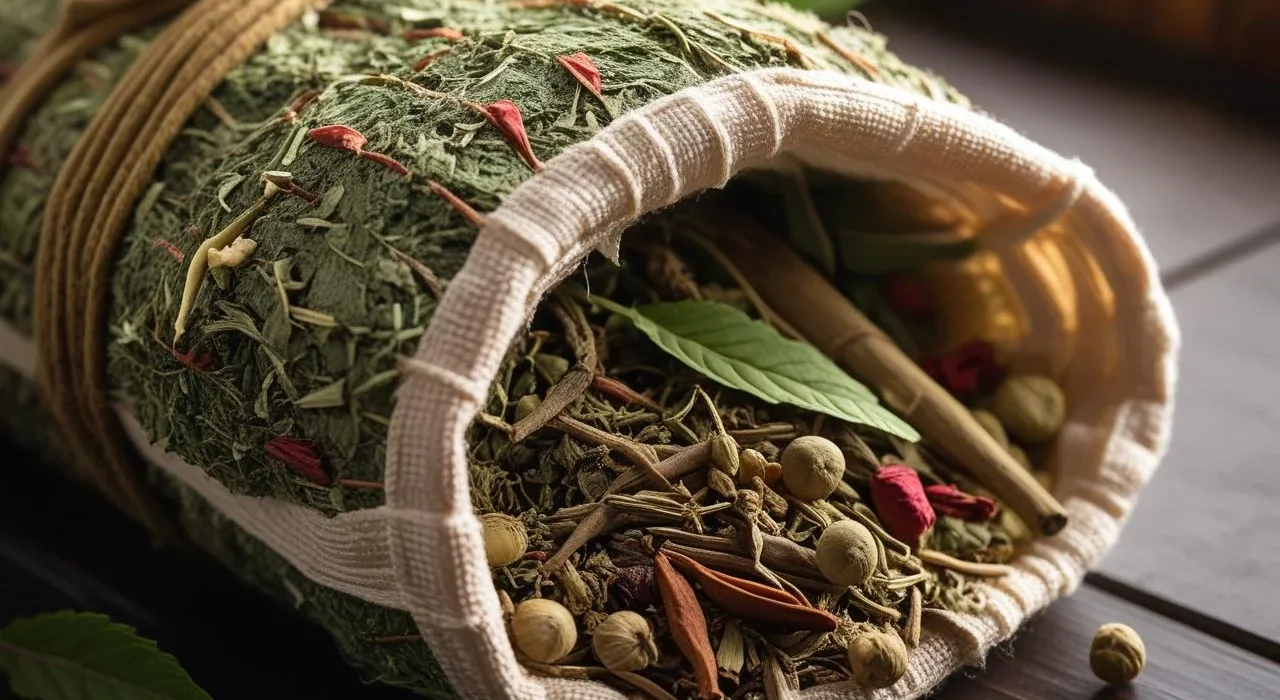
If you’re searching for natural remedies for osteoarthritis, you’re not alone—millions of Australians are turning to holistic approaches to manage joint pain, reduce inflammation, and improve mobility without relying solely on pharmaceutical interventions. Osteoarthritis is the most common form of arthritis, affecting the cartilage that cushions our joints and leading to pain, stiffness, and reduced quality of life. While conventional treatments have their place, natural remedies—particularly traditional Asian herbs—offer a gentle, effective, and sustainable path toward long-term joint health and comfort.
What Is Osteoarthritis?
Understanding Wear-and-Tear Arthritis
Osteoarthritis is often called “wear-and-tear arthritis” because it develops when the protective cartilage cushioning the ends of bones gradually wears down over time. Unlike rheumatoid arthritis, which is an autoimmune condition, osteoarthritis is primarily a degenerative joint disease that results from mechanical stress and biological changes within the joint.
When healthy, cartilage acts as a shock absorber, allowing smooth, pain-free movement. As osteoarthritis progresses, this cartilage breaks down, causing bones to rub against each other. This friction leads to pain, inflammation, stiffness, and the formation of bone spurs—bony projections that develop along joint edges.
Joints Most Commonly Affected
Osteoarthritis typically affects weight-bearing joints and those subjected to repetitive use:
- Knees – bearing the body’s full weight during standing and walking
- Hips – supporting movement and balance
- Hands – particularly the base of the thumb and finger joints
- Spine – especially the neck and lower back
- Feet – particularly the big toe joint
Common Myths About Osteoarthritis
Before we explore natural remedies for osteoarthritis, let’s dispel some persistent myths:
Myth 1: “Osteoarthritis only affects elderly people.”
Reality: While age is a risk factor, younger individuals can develop osteoarthritis following injuries or due to genetic factors.
Myth 2: “Exercise will make osteoarthritis worse.”
Reality: Appropriate, low-impact exercise actually strengthens muscles around joints and improves mobility.
Myth 3: “Osteoarthritis is just a normal part of aging you have to accept.”
Reality: While common, osteoarthritis progression can be slowed significantly through lifestyle changes, natural remedies, and proper joint care.
Myth 4: “Cracking joints causes arthritis.”
Reality: Joint cracking alone doesn’t cause osteoarthritis, though the grinding sensation (crepitus) can be a symptom.
Signs and Symptoms of Osteoarthritis
Recognizing osteoarthritis symptoms early allows for more effective intervention with natural remedies for osteoarthritis and lifestyle modifications.
Primary Symptoms
Pain and Stiffness
Pain typically worsens with activity and improves with rest, though advanced osteoarthritis can cause pain even during rest or at night. Stiffness is often most pronounced after periods of inactivity, particularly in the morning or after sitting for extended periods.
Swelling
Inflammation around affected joints causes visible swelling and tenderness. This occurs as the body responds to cartilage breakdown and bone changes.
Loss of Flexibility
As osteoarthritis progresses, the affected joint’s range of motion becomes increasingly limited. Simple tasks like bending, climbing stairs, or gripping objects become challenging.
Joint Cracking or Grinding
A grating sensation (crepitus) when moving the joint indicates roughened cartilage surfaces rubbing together or bone-on-bone contact in advanced cases.
Symptom Patterns
Understanding when symptoms appear helps identify osteoarthritis:
- Morning stiffness that improves within 30 minutes suggests osteoarthritis (longer stiffness may indicate rheumatoid arthritis)
- Pain after use that worsens throughout the day is characteristic of osteoarthritis
- Weather sensitivity where symptoms intensify during cold, damp conditions
- Activity-related flare-ups following overuse or specific movements
What Causes Osteoarthritis
Primary vs. Secondary Osteoarthritis
Primary Osteoarthritis develops gradually without a clear cause, typically related to aging and genetic factors. The cartilage simply deteriorates over time as part of the body’s natural aging process.
Secondary Osteoarthritis results from specific factors such as:
- Joint injuries (fractures, ligament tears, cartilage damage)
- Occupational or sports-related repetitive stress
- Other joint conditions or diseases
- Metabolic disorders affecting joint health
- Developmental abnormalities affecting joint alignment
Key Risk Factors
Genetics and Family History
If your parents or siblings have osteoarthritis, you’re more likely to develop it. Genetic factors influence cartilage quality, joint structure, and inflammatory responses.
Obesity and Metabolic Load
Excess body weight places additional stress on weight-bearing joints, particularly knees and hips. Furthermore, adipose tissue produces inflammatory substances that can accelerate joint degradation throughout the body.
Repetitive Strain or Occupational Stress
Jobs requiring repetitive movements, heavy lifting, or prolonged kneeling increase osteoarthritis risk. Athletes participating in high-impact sports also face elevated risk.
Prior Injuries, Fractures, or Joint Surgeries
Previous joint trauma—even if it occurred decades earlier—significantly increases osteoarthritis likelihood in the affected joint.
Weak Muscular Support Around Joints
Muscles act as shock absorbers, reducing stress on joints. When muscles are weak or imbalanced, joints bear excessive mechanical load.
Inflammation from Lifestyle Factors
Chronic low-grade inflammation from poor diet, stress, lack of sleep, and sedentary lifestyle accelerates cartilage breakdown and worsens osteoarthritis symptoms.
Underlying Biological Processes
Cartilage Erosion
The breakdown of collagen and proteoglycans—the structural components of cartilage—leads to thinning, cracking, and eventual loss of this protective tissue.
Synovial Inflammation
The synovial membrane lining the joint capsule becomes inflamed, producing excess fluid that causes swelling and pain.
Bone Spur Formation
As the body attempts to repair damage, it produces extra bone along joint edges, forming osteophytes (bone spurs) that can further restrict movement and cause pain.
Changes to Joint Lubrication
The synovial fluid that normally lubricates joints becomes less viscous and less effective at reducing friction, accelerating wear.
What Are the Stages of Osteoarthritis
Understanding osteoarthritis progression helps determine the most appropriate natural remedies for osteoarthritis at each stage.
Stage 1: Minor
Characteristics:
- Slight wear on cartilage
- Minimal or no pain
- No visible bone changes on X-rays
- Normal joint function
At this stage, preventive measures and natural remedies for osteoarthritis can be highly effective in slowing progression.
Stage 2: Mild
Characteristics:
- Noticeable bone spurs on X-rays
- Increased discomfort after prolonged activity
- Mild stiffness, especially in the morning
- Cartilage remains mostly intact
This is an ideal stage to implement gentle exercises and herbal support.
Stage 3: Moderate
Characteristics:
- Visible cartilage loss on imaging
- More persistent pain during and after activities
- Joint swelling and inflammation
- Noticeable reduction in range of motion
- More frequent flare-ups
At this stage, comprehensive natural remedies for osteoarthritis become increasingly important.
Stage 4: Severe
Characteristics:
- Significant cartilage loss with possible bone-on-bone contact
- Chronic, often debilitating pain
- Major reduction in mobility
- Visible joint deformity
- Substantial impact on daily life
Even at advanced stages, natural approaches can provide meaningful relief and improve quality of life.
How Osteoarthritis Progression Is Assessed
Healthcare practitioners use several methods to evaluate osteoarthritis:
- X-rays reveal bone spurs, joint space narrowing, and bone density changes
- Symptom tracking monitors pain levels, stiffness duration, and functional limitations
- Mobility tests assess range of motion and physical function
- MRI scans (occasionally) provide detailed images of soft tissues including cartilage
Osteoarthritis Prevention and Treatment Options
Conventional Approaches
Pain-Relief Medication
Over-the-counter and prescription medications can temporarily reduce pain and inflammation. While these have their place in acute flare-ups, many people seek natural alternatives to avoid potential side effects and dependency.
Physical Therapy and Exercise
Guided exercises strengthen supporting muscles, improve flexibility, and maintain joint function—one of the most evidence-based treatments for osteoarthritis.
Weight Management
Losing even modest amounts of weight significantly reduces joint stress and inflammation, particularly for knee and hip osteoarthritis.
Heat and Cold Therapy
Applying heat relaxes muscles and improves circulation, while cold therapy reduces inflammation and numbs pain during acute flare-ups.
Lifestyle Adjustments
Anti-Inflammatory Diet
Consuming superfoods for arthritis rich in omega-3 fatty acids, antioxidants, and anti-inflammatory compounds helps reduce systemic inflammation. Focus on:
- Fatty fish (salmon, sardines, mackerel)
- Colorful fruits and vegetables
- Nuts and seeds
- Olive oil
- Green tea
- Turmeric and ginger
Limit inflammatory foods including processed items, refined sugars, and excessive red meat.
Joint-Friendly Movement
Regular, low-impact activity maintains joint flexibility without causing additional damage. Swimming, walking, tai chi, and yoga are excellent choices.
Posture and Joint Protection Strategies
Proper body mechanics reduce unnecessary joint stress:
- Use ergonomic tools and furniture
- Avoid prolonged positions
- Distribute weight evenly when carrying objects
- Use assistive devices when needed
Natural Remedies for Osteoarthritis
Herbal Remedies Traditionally Used for Joint Support
At Authentic Arthritis Asian Herbs, we’re passionate about sharing the natural power of traditional Asian herbs that bring genuine relief to those living with osteoarthritis. Our Authentic Arthritis Asian Herbs formula combines time-honored remedies that have supported joint health for centuries.
Salica chinensis
Salica chinensis is traditionally used for easing joint stiffness and promoting healthy circulation to affected areas. By improving blood flow to joints, this gentle herb helps deliver nutrients necessary for tissue repair while removing inflammatory waste products. Its anti-inflammatory properties make it particularly valuable for long-term osteoarthritis management.
Anamirta cocculus
Anamirta cocculus has been historically used for muscle relaxation and reducing tension around affected joints. When muscles surrounding arthritic joints are tense, they contribute to pain and restricted movement. This forgotten herb helps calm nerve signals and ease muscular tension, providing deeper relief.
Cryptolepis dubia
Known in traditional herbal systems for addressing inflammation in musculoskeletal tissues, Cryptolepis dubia serves as a natural ally for reducing the inflammatory processes central to osteoarthritis pain. It also supports immune function, helping the body maintain healthy inflammatory responses.
Strychnos Extract (Safe, Low-Dose Herbal Form)
Strychnos has been traditionally used for supporting nerve and muscle function when properly prepared in safe, therapeutic doses. This potent herb, when expertly formulated, can provide remarkable relief by improving nerve signal transmission and muscular coordination around affected joints.
Important Note: Strychnos must only be used in professionally prepared, standardized formulations with proper dosing under practitioner guidance. Never attempt to prepare or use this herb without expert supervision.
Dems scanden
Traditionally used to soothe musculoskeletal discomfort and swelling, Dems scanden offers dual-action benefits—addressing both physical joint symptoms and supporting mental clarity. This is particularly valuable since chronic pain often affects cognitive function and mood.
Dracaena conferta
Dracaena conferta has been used for its potential anti-inflammatory properties, serving as a hidden ally in traditional formulations for arthritis relief. This lesser-known herb complements other botanicals in comprehensive joint support formulas.
Eucommia Bark
Widely used in classical herbal medicine for joint strength, tendon support, and mobility, Eucommia bark is a cornerstone of Traditional Chinese Medicine for musculoskeletal health. This remarkable herb contains lignans and iridoids with anti-inflammatory and analgesic properties that naturally reduce pain sensation.
Eucommia bark promotes cartilage regeneration, strengthens bones and tendons, and improves range of motion—making it an excellent choice for individuals with joint instability or chronic osteoarthritis. Unlike synthetic painkillers, it has a long history of safe use and is gentle on the body, making it ideal for sustainable, long-term support.
Why Herbal Remedies Matter for Osteoarthritis
Supporting Natural Inflammatory Pathways
Rather than simply masking pain, traditional herbs work with the body’s natural healing mechanisms. They modulate inflammatory pathways, helping reduce excessive inflammation while maintaining necessary immune responses.
Protecting Cartilage and Joint Function
Many traditional herbs contain compounds that support cartilage health, promote tissue repair, and protect remaining cartilage from further degradation. This addresses osteoarthritis at its source rather than just managing symptoms.
The Importance of Consistency and Proper Formulation
Natural remedies for osteoarthritis work best when used consistently over time. Unlike quick-acting pharmaceuticals, herbs build therapeutic effects gradually, supporting the body’s healing capacity. Professional formulations that combine complementary herbs in proper ratios offer superior results compared to single-herb approaches.
Complementary Natural Approaches
Nutritional Supplements
Omega-3 Fatty Acids
These essential fats from fish oil or algae reduce inflammatory markers throughout the body, supporting joint health and reducing osteoarthritis symptoms.
Collagen and Gelatin
Providing building blocks for cartilage repair, collagen supplementation may help slow cartilage degradation and reduce joint pain.
MSM, Glucosamine, and Chondroitin
These sulfur-containing compounds support cartilage structure and may reduce pain in some individuals with osteoarthritis.
Movement & Exercise
Low-impact activities maintain joint health without excessive stress:
- Walking – gentle, accessible, and effective for maintaining mobility
- Swimming and water aerobics – buoyancy reduces joint load while providing resistance
- Tai chi – combines gentle movement with mindfulness, proven to reduce arthritis pain
- Yoga – improves flexibility, strength, and balance while promoting relaxation
Strengthening exercises build muscular support around vulnerable joints, while mobility work maintains or improves range of motion. Gentle exercises designed to work with natural remedies can amplify the benefits of herbal support.
Mind–Body Therapies
Meditation for Pain Management
Mindfulness meditation helps change the relationship with pain, reducing suffering even when physical sensations persist. Regular practice can lower pain perception and improve quality of life.
Stress Reduction to Lower Inflammatory Load
Chronic stress elevates inflammatory markers throughout the body. Practices like deep breathing, meditation, and yoga help activate the relaxation response, reducing inflammation and supporting healing.
Home Remedies
Warm Compresses
Applying heat increases blood flow, relaxes muscles, and eases stiffness—particularly beneficial before activities or exercise.
Epsom Salt Soaks
The magnesium in Epsom salts can be absorbed through the skin, helping relax muscles and reduce inflammation. Warm baths provide additional soothing benefits.
Thai Herbal Compress
This traditional therapy combines heat with aromatic herbs in a compress applied to affected joints, providing deep, penetrating relief.
Gentle Stretching Routines
Daily stretching maintains flexibility, prevents stiffness, and keeps joints mobile. Even five to ten minutes daily makes a significant difference.
When to Seek Professional Support
Signs You May Need Medical Evaluation
While natural remedies for osteoarthritis offer powerful support, certain situations warrant professional assessment:
- Sudden, severe joint pain or swelling
- Joint warmth and redness (possible infection)
- Inability to bear weight or move the joint
- Symptoms that significantly worsen despite treatment
- Fever accompanying joint symptoms
- Trauma or injury to the joint
How to Combine Natural Therapy with Conventional Care
Natural remedies for osteoarthritis work best as part of a comprehensive approach. Many people successfully combine herbal support with physical therapy, appropriate exercise, and occasional use of conventional pain relief during acute flare-ups. Always inform all healthcare providers about herbs and supplements you’re using to ensure safe, coordinated care.
Importance of Personalised Guidance from Herbal Practitioners
While quality herbal formulations like our Authentic Arthritis Asian Herbs are designed for general use, working with qualified practitioners can optimize results. They can assess your individual constitution, adjust dosing, address contraindications, and monitor progress—ensuring you receive maximum benefit from natural remedies for osteoarthritis.
Experience Authentic Relief with Traditional Asian Herbs
At Authentic Arthritis Asian Herbs, we’ve witnessed countless Australians reclaim their mobility, reduce their pain, and improve their quality of life through the power of traditional herbal wisdom. Our carefully formulated products harness centuries-old knowledge, combining time-honored herbs like Eucommia bark, Salica chinensis, and other proven botanicals in precise ratios for maximum effectiveness.
Unlike synthetic painkillers that merely mask symptoms, our herbal formulations work with your body’s natural healing mechanisms to address osteoarthritis at its source. They reduce inflammation, support cartilage health, strengthen connective tissues, and promote long-term joint function—all while being gentle enough for sustained use.
Whether you’re experiencing early-stage stiffness or managing more advanced osteoarthritis, natural remedies offer a path toward genuine, lasting relief. Combined with appropriate exercise, anti-inflammatory nutrition, and mindful lifestyle choices, traditional herbs can transform your relationship with joint pain.
Ready to experience the healing power of Asian herbal medicine?
Visit our shop to discover our Authentic Arthritis Asian Herbs formula—a time-tested blend designed specifically for arthritis sufferers seeking natural, effective relief. Start your journey toward greater mobility, reduced pain, and improved quality of life today.
Your joints deserve the gentle, powerful support that only traditional herbal wisdom can provide.