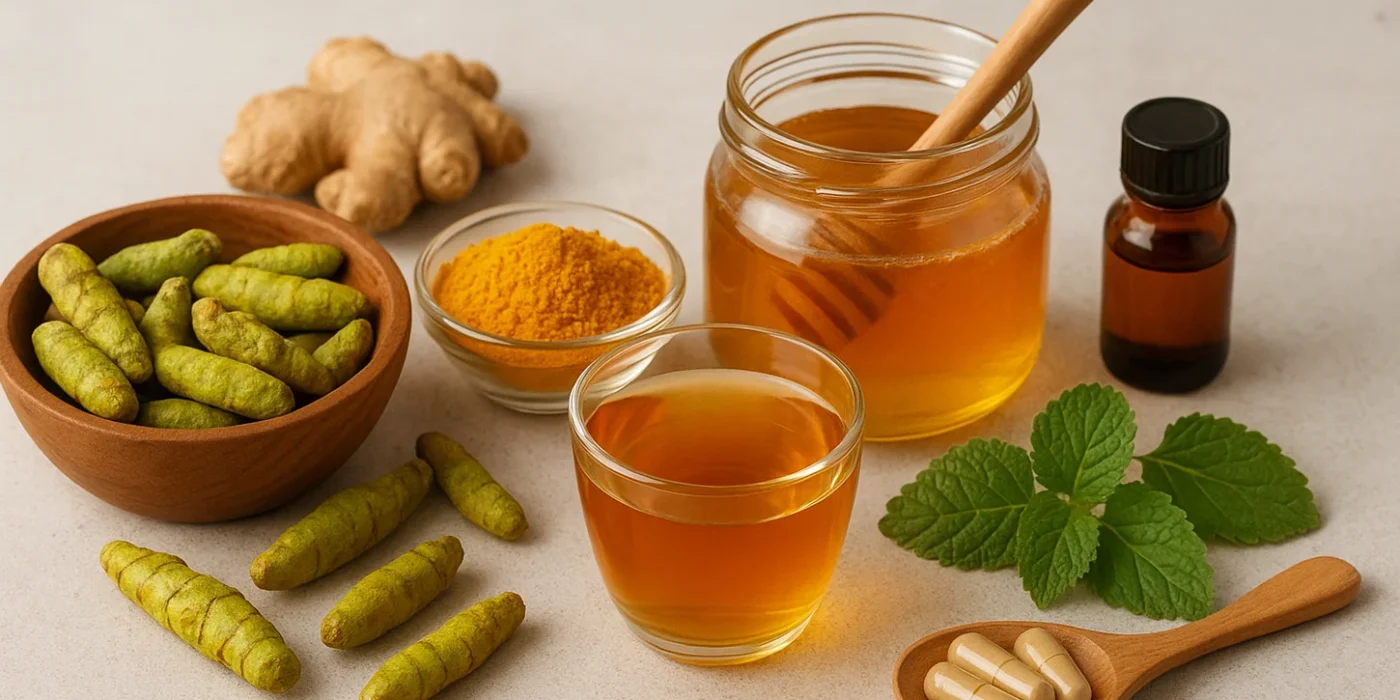
If you’re searching for natural remedies for rheumatoid arthritis, you’re not alone—millions worldwide are seeking gentler, more holistic approaches to managing this challenging autoimmune condition. While conventional medicine plays an important role, many people find that combining traditional treatments with natural therapies offers a more complete path to pain relief, reduced inflammation, and improved quality of life.
Living with rheumatoid arthritis means navigating constant joint pain, morning stiffness, and the frustration of limited mobility. But there’s hope beyond prescription medications alone. Natural remedies—from time-honored herbal formulas to lifestyle modifications—can work alongside conventional care to address not just symptoms, but the underlying inflammation that drives this condition.
In this comprehensive guide, we’ll explore proven natural approaches that bring real relief to those suffering from rheumatoid arthritis, including powerful Asian herbs that have supported joint health for centuries.
Understanding Rheumatoid Arthritis
What is Rheumatoid Arthritis?
Rheumatoid arthritis (RA) is a chronic autoimmune disorder that primarily attacks the joints, causing persistent inflammation, pain, and eventually joint damage if left unmanaged. Unlike osteoarthritis, which develops from wear and tear over time, rheumatoid arthritis occurs when your immune system mistakenly targets the lining of your joints—the synovial membrane—treating it as foreign tissue.
This autoimmune response typically affects joints symmetrically, meaning both hands, both knees, or both feet experience symptoms simultaneously. Beyond joint involvement, RA can also impact other body systems, including the skin, eyes, lungs, and cardiovascular system, making comprehensive treatment essential.
How Inflammation and Autoimmunity Drive Joint Damage
The progression of rheumatoid arthritis begins with immune system dysfunction. Your body produces antibodies that attack the synovium—the soft tissue lining your joints. This triggers an inflammatory cascade that causes the synovium to thicken, leading to warmth, redness, swelling, and pain around affected joints.
As inflammation persists, it damages cartilage—the elastic tissue that cushions your bones—and eventually erodes the bone itself. Tendons and ligaments surrounding the joint weaken and stretch, causing joints to lose their shape and alignment. This degenerative process explains why early intervention is so critical in managing RA effectively.
The inflammatory markers associated with rheumatoid arthritis, particularly cytokines like TNF-alpha and interleukin-6, perpetuate tissue damage and contribute to the systemic nature of the disease. Understanding this mechanism helps explain why anti-inflammatory approaches—whether pharmaceutical or natural—form the cornerstone of effective treatment.
Why Conventional Treatments Don’t Always Address the Root Cause
Standard rheumatoid arthritis treatments typically include disease-modifying antirheumatic drugs (DMARDs), biologics, and corticosteroids. While these medications can be life-changing for many patients, they often focus on suppressing immune function and reducing inflammation rather than addressing the underlying triggers of autoimmune dysfunction.
Additionally, conventional treatments can carry significant side effects, from digestive issues and increased infection risk to liver damage and bone loss with long-term use. Many patients find themselves caught between managing their RA symptoms and tolerating medication side effects that impact their overall wellbeing.
This gap has led countless individuals to explore natural remedies for rheumatoid arthritis—not as replacements for necessary medical care, but as complementary approaches that support the body’s natural healing capacity while potentially reducing medication dependence over time.
The Role of Natural Remedies in Managing Rheumatoid Arthritis
Benefits of Natural and Herbal Support Alongside Conventional Care
Natural remedies offer several advantages when integrated thoughtfully with conventional rheumatoid arthritis care. First, many herbal and nutritional approaches work through multiple mechanisms simultaneously—reducing inflammation, supporting immune regulation, and promoting tissue repair—rather than targeting a single pathway.
Second, natural remedies typically produce fewer side effects than pharmaceutical interventions, making them sustainable for long-term use. This is particularly important for a chronic condition like RA, where patients need ongoing support for years or decades.
Third, natural approaches often address whole-body wellness rather than just joint symptoms. Herbs that reduce inflammation may also support cardiovascular health, improve digestion, enhance energy levels, and promote better sleep—all factors that influence overall quality of life for those living with rheumatoid arthritis.
Safety Considerations and Consulting Your Healthcare Provider
While natural doesn’t automatically mean safe, responsible use of herbal remedies and supplements can be an excellent addition to your RA management plan. However, it’s essential to work with healthcare providers who understand both conventional and complementary approaches.
Some herbs and supplements can interact with medications, particularly blood thinners, immunosuppressants, and NSAIDs. Others may not be appropriate for individuals with certain health conditions or during pregnancy. Always disclose all supplements and herbal products you’re taking to your rheumatologist and primary care physician.
Start with one new remedy at a time, allowing several weeks to assess its effects before adding another. This approach helps you identify which interventions truly benefit your symptoms and which may be unnecessary or unhelpful.
Scientific Evidence Supporting Natural Approaches
The research base for natural remedies in rheumatoid arthritis continues to grow. Multiple studies have demonstrated that specific herbs, nutrients, and lifestyle interventions can meaningfully reduce inflammatory markers, decrease pain scores, and improve functional outcomes in RA patients.
For instance, omega-3 fatty acids have been shown in numerous clinical trials to reduce joint tenderness and morning stiffness. Curcumin, the active compound in turmeric, demonstrates comparable efficacy to some NSAIDs in reducing RA symptoms, according to peer-reviewed research. Traditional herbal formulas from Asian medicine have centuries of empirical use, now increasingly validated by modern scientific investigation.
Lifestyle and Self-Care Approaches
Exercise for Joint Flexibility and Strength
Regular physical activity might seem counterintuitive when your joints ache, but appropriate exercise is one of the most powerful natural remedies for rheumatoid arthritis. Movement helps maintain joint flexibility, strengthens the muscles that support your joints, and reduces overall inflammation through improved circulation.
Low-impact activities like swimming, water aerobics, tai chi, and yoga are particularly beneficial for RA patients. These exercises minimize stress on joints while building strength and improving balance. Even gentle exercises performed consistently can dramatically improve mobility and reduce pain over time.
Aim for at least 150 minutes of moderate activity weekly, broken into manageable sessions. Listen to your body—exercise during times when your joints feel best, and don’t push through significant pain. Working with a physical therapist experienced in rheumatoid arthritis can help you develop a safe, effective exercise program tailored to your needs.
Heat and Cold Therapy for Pain and Stiffness
Alternating heat and cold applications provides immediate relief for many RA symptoms. Heat therapy—through warm baths, heating pads, or Thai herbal compresses—relaxes muscles, increases blood flow, and eases morning stiffness. Apply heat for 15-20 minutes before activity to prepare joints for movement.
Cold therapy reduces acute inflammation and numbs sharp pain during flare-ups. Ice packs wrapped in thin towels can be applied to swollen joints for 10-15 minutes several times daily. Some people find contrast therapy—alternating hot and cold applications—particularly effective for stimulating circulation and reducing joint swelling.
Stress Reduction and Its Impact on Inflammation
The mind-body connection in rheumatoid arthritis is profound. Chronic stress elevates cortisol and other stress hormones that trigger inflammatory responses and can worsen RA symptoms. Conversely, stress reduction techniques have been shown to decrease inflammatory markers and improve disease outcomes.
Mindfulness meditation, deep breathing exercises, progressive muscle relaxation, and guided imagery are all evidence-based approaches for managing stress. Even 10-15 minutes of daily meditation can help modulate your immune response and reduce pain perception. Consider apps, classes, or working with a therapist trained in stress management for chronic illness.
Massage for Circulation and Muscle Relief
Therapeutic massage addresses the muscle tension and reduced circulation that often accompany rheumatoid arthritis. Gentle massage techniques improve blood flow to affected joints, reduce muscle guarding around painful areas, and promote relaxation that can lower overall inflammation.
Work with massage therapists experienced in treating inflammatory arthritis. They’ll use appropriate pressure and techniques that soothe rather than aggravate inflamed joints. Regular massage sessions, combined with self-massage at home, can significantly improve your comfort and mobility between professional treatments.
Acupuncture for Pain Modulation and Immune Balance
Acupuncture, a cornerstone of Traditional Chinese Medicine, has gained recognition in Western healthcare for managing rheumatoid arthritis symptoms. Research suggests acupuncture may work by stimulating the release of endorphins (natural pain relievers), modulating inflammatory cytokines, and potentially helping regulate immune function.
Many RA patients report decreased pain intensity, improved joint function, and reduced medication needs with regular acupuncture treatments. While individual responses vary, this time-tested therapy offers a low-risk option worth exploring as part of a comprehensive treatment plan.
Supplements and Herbal Remedies for Rheumatoid Arthritis
Common Nutritional Supplements (Omega-3s, Turmeric, Vitamin D, etc.)
Several nutritional supplements have strong evidence supporting their use in rheumatoid arthritis management:
Omega-3 Fatty Acids: Found in fish oil, these essential fats reduce the production of inflammatory compounds. Studies show omega-3 supplementation can decrease joint tenderness, morning stiffness, and even allow some patients to reduce their NSAID use. Aim for 2-3 grams of combined EPA and DHA daily.
Turmeric/Curcumin: This golden spice contains powerful anti-inflammatory compounds called curcuminoids. Clinical trials demonstrate that curcumin supplements can significantly reduce pain and improve function in RA patients, with effects comparable to some conventional medications. Choose formulations with black pepper extract (piperine) for better absorption.
Vitamin D: Many people with rheumatoid arthritis have insufficient vitamin D levels, which correlates with increased disease activity. Vitamin D supports immune regulation and bone health—both critical for RA management. Have your levels tested and supplement as needed to maintain optimal status.
Probiotics: Emerging research links gut health with autoimmune conditions. Certain probiotic strains may help modulate immune function and reduce systemic inflammation in RA patients. Look for multi-strain formulas containing Lactobacillus and Bifidobacterium species.
Glucosamine and Chondroitin: While more commonly associated with osteoarthritis, these compounds support cartilage health and may slow joint degradation in RA as well, though evidence is mixed.
Herbal Remedies and Their Traditional Benefits
Traditional herbal medicine offers a treasure trove of natural remedies for rheumatoid arthritis, many backed by centuries of clinical observation in various healing traditions. Asian herbs, in particular, have been refined over millennia to address inflammatory conditions and support overall joint health.
Herbs like boswellia, ginger, green tea, and thunder god vine (Tripterygium wilfordii) have demonstrated anti-inflammatory and immunomodulatory effects in research studies. However, some of the most promising herbal approaches come from carefully formulated combinations that work synergistically—where the whole formula proves more effective than any single ingredient.
This holistic philosophy drives the development of comprehensive herbal products specifically designed for arthritis relief, combining multiple botanicals that address inflammation, pain, tissue repair, and overall vitality simultaneously.
Authentic Arthritis Asian Herbs
For those seeking natural remedies for rheumatoid arthritis rooted in traditional wisdom and supported by modern understanding, Authentic Arthritis Asian Herbs offers a carefully crafted formula featuring seven powerful Asian botanicals. Each herb contributes unique properties that work together to address the multiple facets of rheumatoid arthritis.
Salica Chinensis — Joint Soothing and Inflammation Control
Salica chinensis has been used traditionally to calm inflamed joints and reduce the heat and swelling characteristic of active rheumatoid arthritis. Its anti-inflammatory properties help control the immune overactivity that drives joint damage, while supporting the body’s natural healing processes.
Anamirta Cocculus — Nerve Support and Pain Balance
This remarkable herb addresses the neuropathic pain that often accompanies chronic arthritis. Anamirta cocculus helps calm overactive nerve signals that amplify pain perception, bringing balance to the nervous system and providing relief from the constant discomfort that can dominate life with RA.
Cryptolepis Dubia — Immune Regulation and Anti-Inflammatory Effects
One of the most exciting aspects of Cryptolepis dubia is its potential to help modulate immune function—particularly relevant for an autoimmune condition like rheumatoid arthritis. Rather than simply suppressing immunity, this herb may help guide the immune system toward more balanced responses while delivering powerful anti-inflammatory effects.
Strychnos — Circulation and Muscle Recovery Support
Proper circulation is essential for delivering nutrients to damaged joints and removing inflammatory waste products. Strychnos supports healthy blood flow to affected areas while helping muscles recover from the tension and guarding that often develop around painful joints. This improved circulation contributes to reduced stiffness and better overall function.
Derris Scandens — Antioxidant and Joint Mobility Support
Oxidative stress contributes significantly to joint damage in rheumatoid arthritis. Derris scandens provides potent antioxidant protection that neutralizes harmful free radicals while supporting improved joint mobility. Users often notice enhanced range of motion and easier movement with consistent use of formulas containing this protective herb.
Dracaena Conferta — Tissue Repair and Inflammation Relief
Beyond simply reducing inflammation, Dracaena conferta actively supports tissue repair processes. This herb helps your body rebuild damaged structures within and around joints, promoting regeneration of healthy tissue while simultaneously calming inflammatory responses. This dual action makes it invaluable for long-term RA management.
Eucommia Bark — Bone and Tendon Strengthening
As detailed in Traditional Chinese Medicine, Eucommia bark excels at strengthening bones, tendons, and ligaments—all critical structures that suffer in rheumatoid arthritis. This time-honored remedy contains lignans and iridoids with natural anti-inflammatory and pain-relieving properties.
Eucommia bark promotes cartilage regeneration, which is often worn down in arthritic joints, helping improve flexibility and slow joint degeneration. It’s known for tonifying the kidneys and liver in TCM, which translates to better overall structural support throughout the musculoskeletal system. Regular use helps increase range of motion and makes daily movement easier, whether you’re dealing with morning stiffness or discomfort throughout the day.
What makes Eucommia bark particularly valuable is its safety profile for long-term use—unlike many synthetic painkillers, it has a lengthy history of gentle, sustainable support without harsh side effects. This makes it an excellent foundation herb for those seeking natural remedies for rheumatoid arthritis that can be used consistently over time.
Integrating Natural Remedies With Conventional Care
Coordinating Herbal and Medical Treatments Safely
Success with natural remedies for rheumatoid arthritis depends on thoughtful integration with your existing medical care. Schedule a consultation specifically to discuss herbal supplements with your rheumatologist. Bring product labels, ingredient lists, and any research you’ve found so your healthcare team can assess potential interactions.
Some herbs may enhance or reduce the effects of conventional medications. For instance, herbs with anti-platelet properties might increase bleeding risk when combined with certain RA medications. Professional guidance ensures you gain the benefits of both approaches without compromising safety.
Consider working with an integrative medicine physician or naturopathic doctor who understands both pharmaceutical and herbal interventions. These practitioners can help design a comprehensive treatment plan that leverages the strengths of multiple healing modalities.
Setting Realistic Goals for Pain Relief and Mobility
Natural remedies typically work more gradually than pharmaceutical interventions. While some people experience noticeable improvement within days, most find that herbal formulas deliver their full benefits over weeks or months of consistent use. This gradual action reflects how natural remedies work—supporting your body’s own healing capacity rather than forcing rapid symptom suppression.
Set specific, measurable goals for your RA management: reducing morning stiffness duration, improving grip strength, walking a certain distance without pain, or decreasing your use of rescue medications. These concrete markers help you assess whether your natural remedies are truly benefiting your condition.
Remember that managing rheumatoid arthritis is a marathon, not a sprint. Sustainable improvement matters more than dramatic but temporary relief. Natural approaches excel at providing this steady, long-term support that helps you maintain function and comfort over years.
Tracking Your Progress and Adjusting Treatment Plans
Keep a detailed journal documenting your symptoms, treatments, and lifestyle factors. Note pain levels at different times of day, joint stiffness duration, which activities prove difficult, and any flare-up triggers you identify. Record when you start new supplements, change doses, or modify your routine.
This tracking serves multiple purposes: it helps you identify which interventions truly benefit your symptoms, provides valuable information for healthcare providers, and can reveal patterns you might otherwise miss. Many people discover unexpected connections—between diet and inflammation, sleep quality and pain levels, or stress and disease activity—through careful documentation.
Review your journal monthly and schedule regular check-ins with your healthcare team to discuss your progress. Be prepared to adjust your approach based on what works. Natural medicine requires patience and sometimes trial and error to find the optimal combination for your unique situation.
Finding Hope and Healing Through Natural Support
Living with rheumatoid arthritis presents daily challenges, but you’re not without powerful tools for managing this condition. Natural remedies offer a path to reduced inflammation, improved mobility, and better overall wellbeing—especially when thoughtfully combined with appropriate conventional care.
The journey to finding what works best for your body takes time, patience, and often some experimentation. But many people discover that incorporating nutritious superfoods, appropriate supplements, herbal formulas, and lifestyle modifications brings meaningful relief and renewed hope.
Whether you’re just beginning to explore natural approaches or looking to enhance your existing regimen, traditional Asian herbs offer time-tested support for the specific challenges of rheumatoid arthritis. The seven powerful botanicals in Authentic Arthritis Asian Herbs work synergistically to address inflammation, support tissue repair, strengthen bones and tendons, and promote overall joint health.
Ready to experience the natural relief you deserve? Discover how Authentic Arthritis Asian Herbs can help you move more freely, reduce pain naturally, and reclaim the active life rheumatoid arthritis has stolen. Our carefully formulated blend brings together centuries of traditional wisdom with the quality and consistency modern wellness demands.
Don’t let another day pass living with unnecessary pain. Explore our complete range of natural arthritis solutions and start your journey toward genuine, lasting relief today. Your joints—and your quality of life—deserve the gentle, powerful support that only nature can provide.