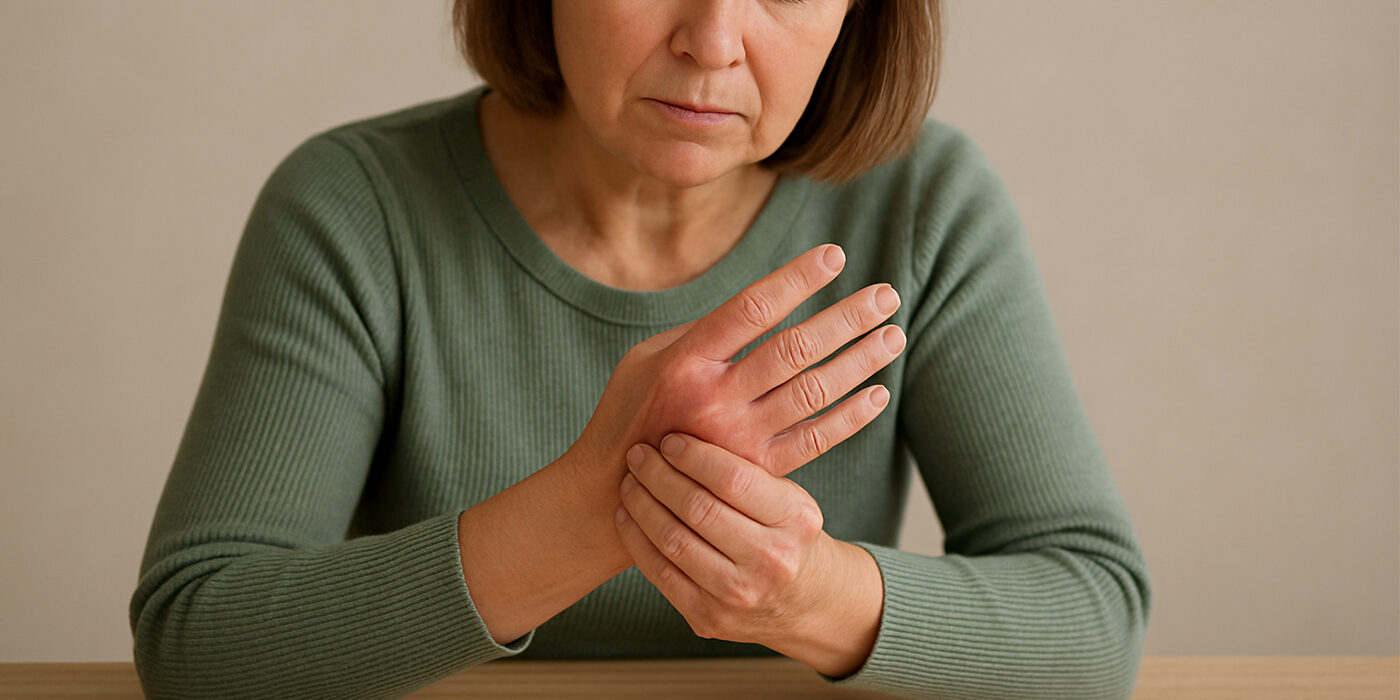
Menopause is a natural life transition — one that marks the end of a woman’s reproductive years — yet it often comes with unexpected changes beyond the hot flashes and mood shifts we hear about. Many women begin to notice a new stiffness in the morning, aching knees after long walks, or persistent soreness in the hands and hips.
These aren’t just random signs of aging. Research shows that menopause can increase the risk of arthritis, largely due to hormonal fluctuations that affect the body’s connective tissues, cartilage, and inflammatory balance.
In this article, we’ll explore how menopause influences joint health, why arthritis becomes more common at this stage of life, and how certain asian herbal remedies — including Salica chinensis, Anamirta cocculus, and Eucommia bark — may help support comfort and mobility naturally.
How Menopause Affects the Body
Menopause typically occurs between ages 45 and 55, when the ovaries gradually reduce estrogen production. This hormone doesn’t just regulate the reproductive cycle — it plays a role in maintaining joint, bone, and muscle health.
Estrogen helps:
- Protect cartilage from wear and tear
- Maintain joint lubrication
- Regulate inflammation within connective tissues
- Support bone density
As estrogen levels decline, the body experiences a rise in inflammatory markers and a drop in collagen production. The result is increased stiffness, fatigue, and joint discomfort, which can pave the way for arthritis over time.
The Connection Between Menopause and Arthritis
Estrogen and Joint Protection
Estrogen is known for its anti-inflammatory and tissue-protective qualities. When estrogen levels fall, cartilage regeneration slows and joints become more vulnerable to mechanical stress. This explains why post-menopausal women are more prone to osteoarthritis than men of the same age.
Without sufficient hormonal protection, the joints:
- Lose flexibility and elasticity
- Experience reduced cushioning
- Become more inflamed under strain
Over years, these subtle shifts can develop into chronic joint conditions — most commonly osteoarthritis.
Osteoarthritis After Menopause
Osteoarthritis (OA) is the most frequent form of arthritis in post-menopausal women. It affects the knees, hips, hands, and spine, leading to pain, swelling, and reduced range of motion.
Several factors make OA more likely after menopause:
- Hormonal decline: Reduced estrogen means less protection for cartilage and bone.
- Weight changes: Menopause often brings metabolic slowing and weight gain, adding pressure to load-bearing joints.
- Inflammation: Estrogen regulates inflammatory cytokines; without it, inflammation rises.
While OA develops gradually, supporting your body’s natural anti-inflammatory systems early can make a meaningful difference.
Menopause and Rheumatoid Arthritis
Rheumatoid arthritis (RA), an autoimmune condition, is also influenced by hormones. Estrogen appears to modulate immune function — helping keep it balanced. When estrogen declines, the immune system may become more reactive, increasing the risk of RA flare-ups or even triggering new onset in predisposed individuals.
Many women with existing RA notice their symptoms worsen post-menopause, reinforcing the link between hormonal balance and inflammation.
Why Joint Pain Often Worsens During Menopause
It’s not just hormones alone that cause discomfort. Menopause is accompanied by a range of metabolic and structural changes that affect the entire musculoskeletal system:
- Reduced collagen: Less collagen leads to weaker connective tissue and slower recovery.
- Bone density loss: Estrogen deficiency accelerates bone thinning, adding stress to joints.
- Sleep disruption and stress: Both raise cortisol, which fuels inflammation.
- Fluid retention: Hormonal shifts affect joint lubrication and fluid balance.
Together, these changes create the perfect storm for joint stiffness, swelling, and fatigue.
Natural Ways to Support Joint Health During Menopause
Nature offers gentle yet powerful ways to restore comfort, reduce inflammation, and strengthen connective tissues. The following herbal ingredients are traditionally used to support mobility and resilience through life’s transitions.
Salica Chinensis
Traditionally valued for its ability to soothe inflammation and improve circulation, Salica chinensis helps calm joint discomfort associated with hormonal imbalance. It’s often used to relieve stiffness and enhance flexibility, especially in age-related or stress-induced joint strain.
By promoting a smoother flow of energy through the body, this herb supports comfort and fluid movement.
Anamirta Cocculus
Known for its harmonising effects on the nervous system and muscles, Anamirta cocculus may ease menopause-related fatigue, body aches, and joint pain. It supports relaxation of tense tissues while helping to restore balance to the body’s natural rhythm — particularly beneficial when hormonal changes disrupt sleep and recovery.
Cryptolepis Dubia
A restorative herb with antioxidant and anti-inflammatory potential, Cryptolepis dubia can help protect joint tissue from oxidative stress. It may assist in maintaining joint lubrication and slowing cartilage breakdown, both important during the post-menopausal years.
Strychnos
Used carefully in traditional formulations, Strychnos enhances circulation and helps relieve chronic musculoskeletal stiffness. In small, controlled doses (as prepared in herbal remedies), it acts as a tonic for nerves and muscles, supporting mobility and strength in aging joints.
Dems Scanden
Rich in plant compounds that assist the body’s natural anti-inflammatory response, Dems scanden may help reduce swelling and stiffness in the joints. It’s particularly supportive for those whose joint discomfort is accompanied by heaviness or sluggish movement.
Dracaena Conferta
This herb is often included in blends aimed at long-term joint nourishment. Dracaena conferta supports connective tissue integrity and helps maintain the elasticity of tendons and ligaments — qualities that can decline after menopause when collagen production slows.
Eucommia Bark
Highly regarded in traditional medicine for its bone-strengthening and joint-supporting properties, Eucommia bark provides vital nourishment to the musculoskeletal system. It helps maintain flexibility and stability, making it a valuable ally for menopausal and post-menopausal joint care.
Lifestyle Tips for Stronger, Happier Joints
Herbal support works best when combined with mindful daily habits. Consider the following approaches to complement your natural routine:
- Eat anti-inflammatory foods: Focus on colourful vegetables, whole grains, and omega-3-rich foods like flaxseed and oily fish.
- Stay active: Low-impact exercise such as swimming, cycling, and yoga improves circulation and reduces stiffness.
- Manage stress: Breathing exercises, mindfulness, or meditation help reduce cortisol — a key inflammation trigger.
- Get enough sleep: Quality rest allows tissues to repair and hormones to rebalance.
- Stay hydrated: Water supports joint lubrication and detoxification.
A Natural Option That Respects Your Body
We’re not here to sell a miracle cure or a quick fix. At Authentic Arthritis Asian Herbs, our philosophy is different. We trust that your body has an innate healing rhythm, and our role is to support it gently — not override it.
All our products are thoughtfully formulated from time-honoured botanical ingredients chosen for their safety and effectiveness. You won’t find steroids or harsh chemicals in them. Instead, you’ll find plant-based compounds that work with your body’s own processes to reduce inflammation and soothe discomfort.
Because we take pride in what we do, we focus on helping, not hyping. We won’t promise to “cure” arthritis overnight — anyone who claims that is overpromising. Instead, we offer steady, caring support: a natural arthritis relief aid you can take daily. Some people feel reduced pain after a few weeks; others notice gradual improvements in mobility or stamina over months.
Our aim is to help you sleep a little more soundly, move a bit more freely, and worry less about side effects.
Ultimately, our hope is simple: that by respecting your body with a safe, herbal approach, we give you one more tool to reclaim comfort and independence. If Authentic Arthritis Asian Herbs can help restore even a fraction of your mobility or ease — and give you back more confidence and peace of mind in the process — then we feel we’ve succeeded.
Because for us, your well-being is the real bottom line.